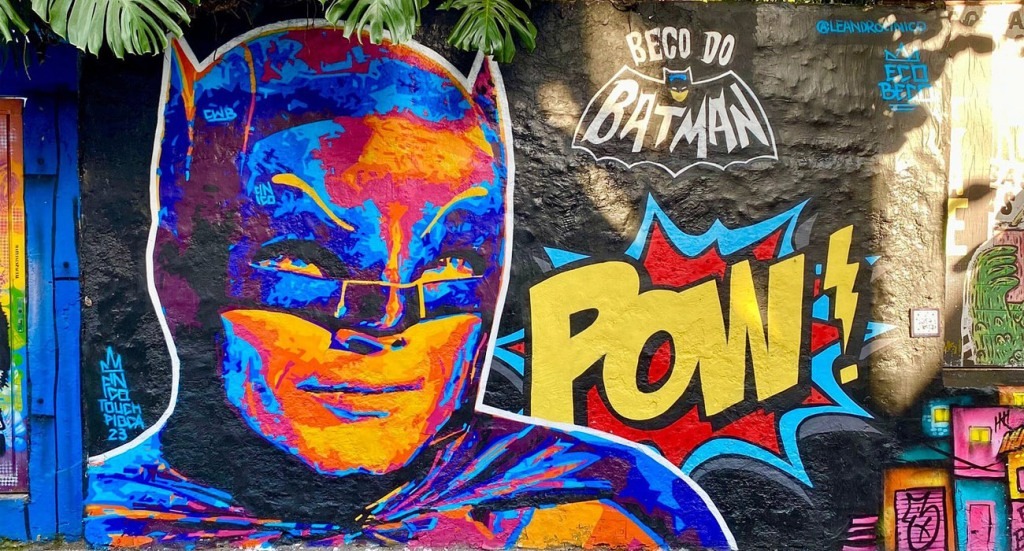
How did Beco Grafitado become one of the most famous urban art galleries in the world? Discover Batman Alley in Vila Madalena
Located in the vibrant Vila Madalena, in São Paulo, Beco do Batman stands out as one of the main reference points for urban art in Brazil. This space, narrow and full of colors, has become a true open-air museum, attracting both residents and tourists in search of a unique cultural experience. Vila Madalena, a neighborhood known for its artistic and bohemian effervescence, has an atmosphere that invites creativity. The city's streets are often filled with the aroma of coffee, live music and, of course, impressive street art.
Batman Alley began to gain notoriety in the late 1980s and, since then, has been the scene of constant artistic interventions. Renowned and emerging artists come together in this area to express their visions, using graffiti as a means of communication and self-expression. Each wall of the alley tells a story, reflecting social, political and cultural issues that are relevant to the city and, often, the world as a whole.
The importance of graffiti in the local scene is not just limited to aesthetics; it became a form of resistance and identity affirmation for many artists. The Batman Alley graffiti is considered one of the best examples of how art can transform urban space into a place of dialogue and contemplation. Furthermore, Beco do Batman exemplifies the impact that urban art can have on revitalizing areas, attracting visitors and boosting the local economy. In this sense, the alley is a testimony not only to the talent of street artists, but also to the strength of urban culture in the capital of São Paulo.
Graffiti in Brazil has its roots in the artistic expressions that emerged on the streets from the 1980s onwards. Initially, these manifestations were seen as forms of vandalism, often associated with social and political movements, reflecting the discontent of a society in constant transformation after the end of the military dictatorship. At this time, artists began to use urban walls as an effective means of communication, wanting to express their ideas and concerns about the country's social and political reality.
Over the years, graffiti in Brazil has undergone a significant evolution, gaining new formats and diversifying in techniques and styles. Artists began to organize themselves into collectives, creating a network of support and reflection on urban art. These collectives not only promoted the graffiti technique, but also facilitated discussion and cultural exchange, influencing new artists to explore the possibilities of spray paint and paint. Influences from art schools, as well as other international artistic currents, began to manifest themselves, contributing to the enrichment of the identity of Brazilian graffiti.
From the 1990s onwards, the Brazilian graffiti scene became increasingly relevant, with emphasis on its inclusion in exhibitions and art festivals. This recognition culminated in the popularization of iconic spaces, such as Beco do Batman, in Vila Madalena, which has become one of the most visited destinations by tourists and art lovers. These spaces not only celebrate graffiti as art, but also act as a reflection of local urban culture, showing the relevance of street art as a channel of expression and resistance. This trajectory of graffiti in Brazil exemplifies how cultural movements can transform perceptions and, at the same time, contribute to the revitalization of urban space.
Beco do Batman, located in Vila Madalena, is a significant example of the intersection between art and community. This space, renowned for urban art, not only enriched the cultural landscape of São Paulo, but also had a profound social impact. Since its inception, the alley has attracted both renowned and amateur artists, who take turns transforming its walls into vibrant works of art. This creative effervescence has aroused the interest of tourists and photographers, contributing to the increase in the flow of visitors to the region.
However, this popularity did not come without major consequences. Gentrification is a palpable phenomenon in Vila Madalena, where the presence of new businesses, such as cafes and galleries, has changed the dynamics of the neighborhood. While Beco do Batman has established itself as a postcard of urban art, the local community has faced challenges related to the loss of its original characteristics and the increase in the cost of living. Longtime residents express concern about the changing character of the neighborhood as the space, once an informal and creative gathering place, has become a commercialized tourist attraction.
Furthermore, the dialogue about art versus commerce is intensified in this context. As Beco do Batman is increasingly incorporated into São Paulo's tourist itinerary, there is a growing debate about the authenticity of the art found there. After all, while urban art has its roots in spontaneous expression, the commodification of that expression can dilute it. The Beco not only represents an artistic phenomenon, but is also a mirror of the social and cultural transformations affecting Vila Madalena and, more broadly, contemporary metropolises.
Beco do Batman, located in Vila Madalena, stands out not only for its impressive collection of murals and graffiti, but also for the variety of events and activities that take place in the space. This place has transformed into a vibrant cultural center that attracts both the local public and visitors from around the world, providing an immersive experience in the universe of urban art.
One of the highlights of Beco do Batman's calendar are the art exhibitions, which often feature works by established and emerging artists from the national and international scene. These exhibitions not only beautify the space, but also provide a venue for dialogue about art and its social impact. Alternating between temporary and permanent exhibitions, Beco do Batman becomes a place of constant artistic renewal.
Artistic interventions, which can occur more spontaneously, also play a significant role. Artists are often invited to create works on site, allowing Beco do Batman to evolve, reflecting the concerns and contemporary voices of society. This not only enhances the visitors' experience, but also encourages greater engagement with the local community, who see themselves represented and invited to discuss the art that surrounds them.
Visiting Beco do Batman is an unmissable experience for those who appreciate urban art and local culture. To ensure that your visit is pleasant and productive, it is essential to keep some tips in mind. Firstly, the best time to visit this famous art gallery is in the morning, right after opening, or in the late afternoon, when temperatures are milder and there is less movement. This will allow you to have a clearer view of the works and the opportunity to photograph without many people in the background.
As for access, Beco do Batman is located in Vila Madalena, one of the most bohemian areas of São Paulo. The location is easily accessible by public transport, with the closest metro station being Vila Madalena, which is about a 15-minute walk from the alley. Another option is the use of transport apps, which offer convenience and comfort to the visitor.
During your visit, it is also important to keep some precautions in mind. The alley is a public space and, as in any urban area, it is recommended to pay attention to your belongings and respect the rules of coexistence. Wear comfortable shoes as you will be able to explore on foot and perhaps discover some galleries and craft shops nearby. To make your experience even richer, bring a camera to capture the vibrant works of art, as well as a bottle of water, especially on hot days.
In addition to visiting Beco do Batman, you can explore other nearby tourist attractions, such as Praça do Pôr do Sol, which adds even more value to your cultural experience in Vila Madalena. Remember to enjoy every moment in this space that has become a true symbol of São Paulo's urban art.
Beco do Batman, located in Vila Madalena, is an iconic urban art space that attracts visitors from all over the world. Its popularity, however, raises questions about its future and the challenges that surround it. In a scenario increasingly marked by gentrification, how can artistic spaces adapt and ensure their cultural relevance without losing the essence that made them famous?
The preservation of local culture is a crucial aspect that needs to be considered. Batman Alley, being a meeting point for artists and culture lovers, must find ways to remain authentic, even in the face of tourism pressure. This authenticity is vital for the continuity of the artistic expression that characterizes the alley. Consultation with the local community and ongoing dialogue with artists can help shape the future of these spaces, ensuring that the voices of these groups are heard and respected.
Another challenge is the balance between art and tourism. While tourism can bring economic benefits, it also risks changing the character of a place. The influx of tourists may inadvertently devalue works of art, turning Batman Alley into a mere commercial attraction rather than a vibrant creative space. Ways of managing tourism must be carefully implemented, promoting genuine appreciation of art and the environment without sacrificing authenticity and local experience.
In short, the future of Beco do Batman and urban art in Brazil will depend on a continuous commitment to the preservation of local culture, dialogue between different stakeholders and the implementation of strategies that respect and value the essence of the space. Only in this way can we ensure that this important symbol of urban art remains relevant and inspiring for future generations.
A piece of Brazil served with affection, flavors and soul. From Beco to the world. 🌎
Do you know Becoartes? We have over 700 reviews on Google Maps
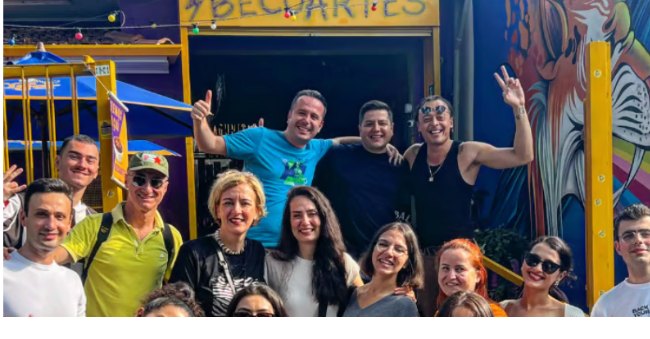
Did you enjoy reading? Then turn theory into experience. Located in the heart of Vila Madalena, Becoartes is the obligatory stop for those who want to take a break from the tour in comfort. Whether you want to cool off with a cold drink, admire the pulsating art or taste our classics, join thousands of visitors who have already made our space part of their history.