From the knights of Central Asia to the busy streets of New York, the burger has traveled centuries to reach the heart of Batman Alley.
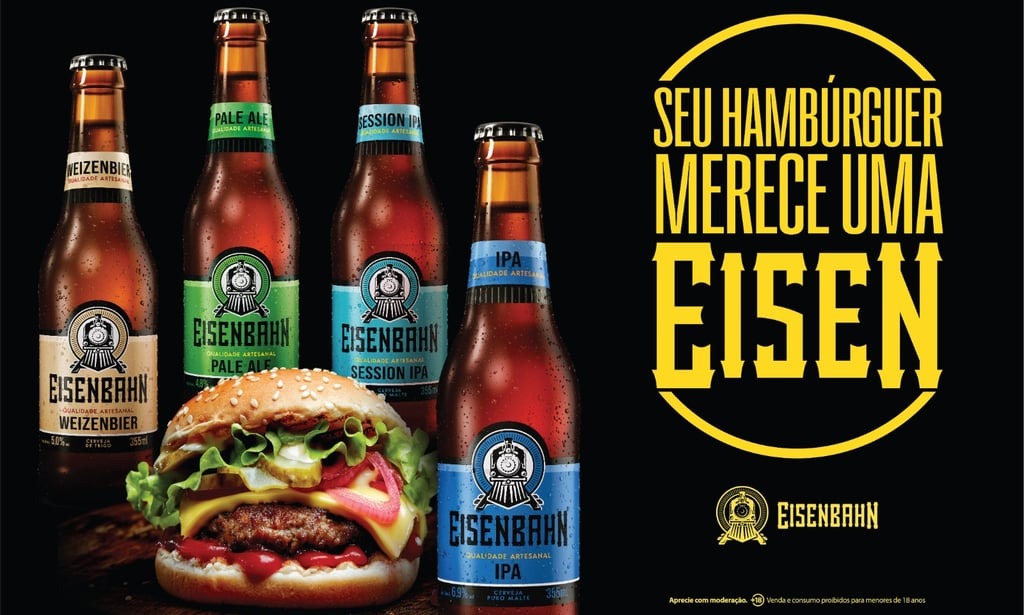
There were centuries of road: from Central Asian warriors with meat under their saddle, through the ports of Hamburg, to the American genius of putting it all between two loaves of bread. The burger is more than a snack — it's living culture, it's street, it's resistance, it's flavor with soul. And it is in honor of this entire trajectory that Becoartes, in partnership with Eisenbahn, prepared a celebration worthy of this legend of world gastronomy. From Wednesday, May 28th, when you purchase 1 Becoartes Burger + 1 Eisenbahn Long Neck (any label available in the house), you will receive an official personalized Eisenbahn cup. An exclusive gift, for you to toast this meeting between tradition and urban flavor in style. The action runs until Friday, May 30, 2025, or while supplies last — and we know how good things fly around here. So you know: go to Becoartes, order the combo, take the cup and live this story with us. Because at Becoartes, every bite is a manifesto.
With the advancement of great navigation and the intensification of European migration, the famous “Hamburg steak” embarked towards the New World. At the end of the 19th century, thousands of German immigrants crossed the Atlantic in search of new opportunities in the United States, taking with them their traditions, flavors and, of course, their recipes. Among them was seasoned ground beef shaped into discs — a simple, nutritious meal that was already a hit in Hamburg's taverns. Upon arriving on American soil, this dish became popular, especially in the ports of New York, where it was sold as “Hamburg-style steak” on the menus of restaurants aimed at newcomers. But it was at street markets, popular events and on the busy streets of big cities that the fate of the hamburger changed for good. With the busy lives of urban workers, sellers realized that placing Hamburg steak between two slices of bread was the perfect solution to offering a practical, portable and delicious meal.
 Long before the burger gained its status as a global gastronomic icon, its history began in a much more rustic — and, why not say, unusual — way. Centuries ago, warriors and horsemen from the steppes of Central Asia, like the legendary Mongols led by Genghis Khan, crossed vast expanses on horseback carrying raw meat under their saddles. The idea was simple and ingenious: the friction and heat from the horse's body during long journeys helped soften and grind the meat, making it easier to consume without the need for cooking. It was a practical solution for nomadic warriors, who lived in constant movement and needed functional, energetic and portable food.
Over time, this rudimentary technique spread throughout the world through trade routes and military conquests. When the practice arrived in Europe, it was refined — especially in the port city of Hamburg, Germany, where cooks began seasoning ground beef and shaping it into discs, creating the famous “Hamburg steak.” This dish became popular and soon became a more sophisticated meal, served in taverns and ships. Little did they know that they were taking the first steps towards creating one of the most beloved foods on the planet. The meat between buns would come later — but the spirit of the burger was already alive there: practical, tasty and made to be shared with the world.
In the heart of Germany, the port city of Hamburg pulsed to the rhythm of maritime trade and international routes in the 19th century. It was a meeting point between cultures, goods and flavors. It was in this cosmopolitan setting that ground beef gained a new status: seasoned with local spices, shaped into a steak and served grilled, it became known as “Hamburg steak” — a nutritious, practical and delicious meal, perfect for workers, travelers and sailors passing through the port.
This succulent steak quickly became one of the most popular dishes in the region and ended up becoming a gastronomic symbol of Hamburg. So much so that, when embarking for the United States, many German immigrants carried this special recipe in their memories — and on their palates. It was the embryo of the modern burger, still without bread, but already full of history, flavor and cultural identity. From Hamburg to the world, “steak” paved the way for a revolution in street flavors that echoes to this day.
Thus, almost unintentionally, the modern hamburger was born — a symbol of street culture that combined European tradition with the fast pace of industrial America. A successful recipe that traveled through time until reaching Beco do Batman with an artistic soul and urban flavor.
It was on American soil that the burger took on the shape we know and love. At the end of the 19th century, with cities growing and the pace of urban life accelerating, someone had a brilliant idea: put Hamburg steak between two buns. Simple, practical and tasty — perfect for those who need to eat well, without stopping. The idea soon became a rage at fairs, parks and stations, and the hamburger became the portable meal par excellence. It was the birth of fast food with soul, with European roots and an American spirit. From then on, the burger reinvented itself without losing its essence. In the following years, it gained space on the menus of famous American diners, roadside snack bars and, later, in large fast food chains. It has become a cultural symbol of the United States — not just food, but lifestyle: democratic, accessible and adaptable to any palate. With melted cheese, pickles, bacon or eggs, it was the people's dish, ready to cross borders.
And that's what he did. Over time, the burger crossed oceans and landed in the four corners of the planet, always adapting to local ingredients and seasonings. In Asia, it gained sweet and sour sauce. In Brazil, it came with egg, corn and even vinaigrette. And here at Becoartes, it has become art: creative, succulent and full of personality, with fresh ingredients, unusual combinations and that urban vibe that transforms every bite into a cultural experience. Because a burger is also an expression — and in our alley, it is a pure flavor manifesto.
Is Batman Alley worth visiting at night? Understand how the climate changes after sunset and what to expect from the nighttime experience in Vila Madalena.
See the easiest ways to get to Beco do Batman using public transport or transport apps in São Paulo.
Find out when the fair takes place at Beco do Batman and how it is part of the cultural experience of Vila Madalena.
Understand why Beco do Batman sometimes floods and how the history of the old Rio Verde, which runs beneath the neighborhood, influences rainfall in the Vila Madalena region.
A piece of Brazil served with affection, flavors and soul. From Beco to the world. 🌎
Do you know Becoartes? We have over 700 reviews on Google Maps
Did you enjoy reading? Then turn theory into experience. Located in the heart of Vila Madalena, Becoartes is the obligatory stop for those who want to take a break from the tour in comfort. Whether you want to cool off with a cold drink, admire the pulsating art or taste our classics, join thousands of visitors who have already made our space part of their history.