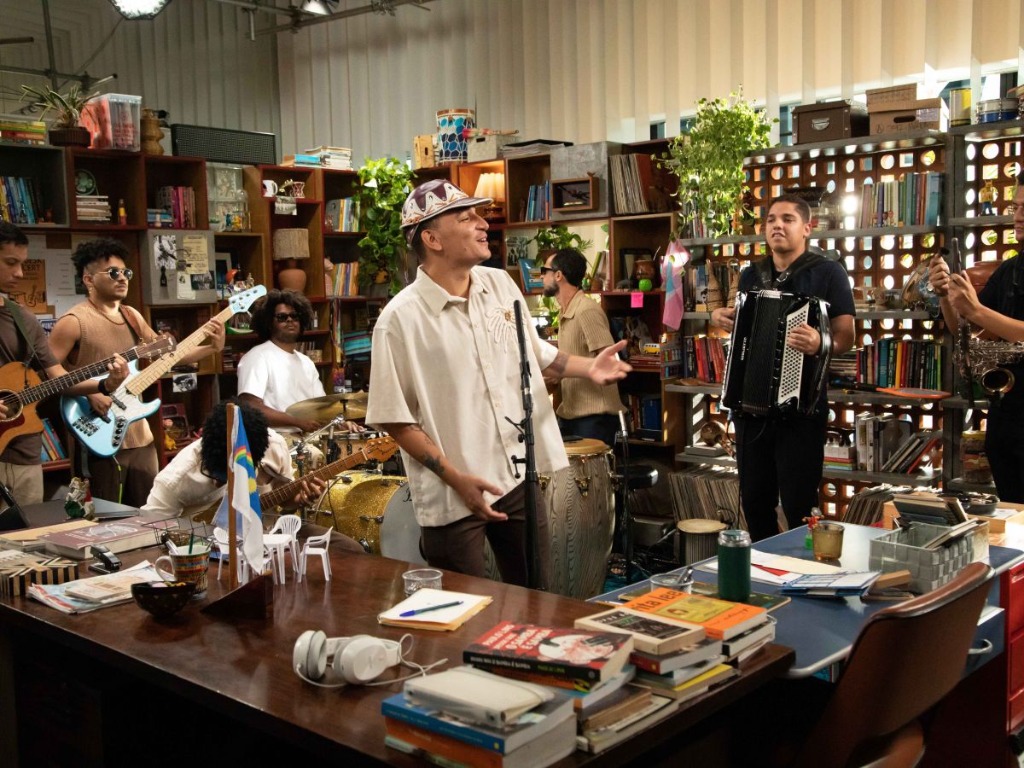
The Tiny Desk format has become a worldwide phenomenon by transforming small, intimate shows into unique musical experiences. Why has this format won over so many artists and millions of viewers?
The Tiny Desk Concert was born in 2008, brought to life by Bob Boilen, one of the coordinators and producers of NPR (National Public Radio). The idea arose as a solution to the search for a more intimate space, where artists could perform in a relaxed way and close to a selected audience, instead of large stages and auditoriums. Seeking to bring something new to NPR's rich musical tradition, Boilen created an environment that allowed for a more authentic connection between musicians and their fans.
The initial idea for the Tiny Desk concerts was simple: create a space inside the NPR office that would serve as a stage for acoustic performances by musicians, with professional-quality audio. The chosen location was Boilen's small work table, which became a symbol of this movement. Since then, the concept has evolved, attracting artists from different genres, all in a unique environment that emphasizes musicality and intimacy.
Over the years, Tiny Desk quickly rose to prominence, not just as a performance series, but as a true cultural phenomenon. The project has won the admiration of both the public and musicians, who see this format as a valuable opportunity to connect with their fans more directly. Recordings are generally done in a relaxed environment, providing a space where artists can share their stories and inspirations, creating content that emotionally resonates with the audience.
Tiny Desk has established itself as an essential resource for emerging and established musicians, showcasing immense musical diversity. This format has become a reference in the industry, inspiring others to replicate the concept in different contexts and locations, which only reinforces its importance in the contemporary musical landscape.
Intimate presentations have gained prominence in the contemporary music scene, and the Tiny Desk format is a striking example of this style. This concept is based on creating an environment where the proximity between the artist and the public is emphasized, making the experience more personal and engaging. In a smaller space, like NPR's famous office desk, artists can connect more genuinely with their listeners, resulting in performances that go beyond simply performing songs.
The unique connection that is established in this smaller setting allows both the artist and the audience to experience the music in a more authentic way. Without large productions and gimmicks, emotions become more palpable and the artist's vulnerability shines through, creating a safe space where creative expression can flow freely. This direct contact translates into a rich exchange of feelings and reactions, which often enriches the performance and transforms the music into a shared experience.
Additionally, the visual aesthetics of Tiny Desk-style recordings also play an important role. The relaxed atmosphere, with personal details and a welcoming atmosphere, conveys a feeling of intimacy that is often lost on large stages. The recordings present themselves not only as musical performances, but as moments of authentication, where the song's narrative is enhanced by this visual and auditory connection. Thus, the Tiny Desk format stands out as a modality that promotes an enriched experience for both artists and the public, solidifying its position as one of the most respected styles in the global music industry.
Tiny Desk Concerts, created by NPR Music, has revolutionized the way music is presented and consumed. The format provides an intimate space where artists from different musical genres perform in a relaxed environment, usually in an office. This approach not only humanizes the musicians, but also allows the audience to experience a closer connection to the performances. One of Tiny Desk's main impacts is its ability to offer a platform to artists who might otherwise go unnoticed on larger, more traditional stages.
Artists from varied genres, such as jazz, hip-hop, indie, rock, and world music, have found Tiny Desk a unique opportunity to perform. For example, artists like Anderson .Paak and Billie Eilish used this format to reach new audiences, expanding their visibility and consolidating their careers. The diversity of the shows contributes to the promotion of musical styles that often do not have space in mainstream media, enriching the cultural offer and allowing a sonically diverse experience for listeners.
Additionally, Tiny Desk also celebrates established artists in innovative ways. Through acoustic sets and intimate arrangements, fans can rediscover their favorite songs in a new light. This format allows for a new interpretation of songs and provides a space for artists to express themselves in a more personal way. In this way, Tiny Desk not only showcases new talent, but is also part of a new era of music appreciation, in which authenticity and connection are prioritized. Its influence on the music industry is undeniable, solidifying itself as one of the most respected formats in the world.
The Tiny Desk has become an iconic stage for artists from around the world, and Brazilian musicians have left a significant mark on this space over the years. This is due not only to the quality of their performances, but also to the cultural diversity that each of them represents.
One of the most notable Brazilian artists to perform at Tiny Desk is Liniker. In his performance, Liniker brought a mesmerizing fusion of soul, samba and MPB. Her vocal skill, combined with emotional delivery, enchanted the audience and provided a testament to the power of Brazilian music on the global stage. His performance helped expand the reach of Brazilian soul, showing the genre's relevance outside Brazil.
Another highlight is the band Francisco, el Hombre, who brought their unique approach to Latin rock and Brazilian popular music to Tiny Desk. In his performance, the mix of rhythms and contagious energy showed the cultural richness of Brazilian music and the ability to connect with diverse audiences. His performance not only resonated with viewers, but also sparked a renewed interest in “Latin-Brazilian” music in international markets.
Tiny Desk not only boosted the visibility of these artists, but also served as a platform for Brazilian music in general, promoting a new era of international recognition. Each performance is an opportunity to celebrate Brazil's diversity and cultural richness, reaffirming the importance of music as a means of global connection.
The rise of the Tiny Desk Concerts format is largely due to its effective use of digital platforms and social media. Since its debut in 2008, Tiny Desk has become a true phenomenon on the music scene, especially among music lovers who consume content online. The ease of access to videos and live performances over the internet, boosted by the popularity of social networks, has allowed Tiny Desk to reach a global audience.
Social networks such as Facebook, Instagram and Twitter play a vital role in spreading Tiny Desk content. Each presentation is quickly shared and commented on, increasing your reach and visibility. This instant virality empowers both the show and artists to connect in a more meaningful way with a broad audience. Through effective sharing, artists who may not have been discovered on traditional platforms find a new form of visibility, reaching fans in different parts of the world.
Furthermore, the interactivity provided by social media allows fans to engage directly with artists, promoting a sense of community. This dynamic not only fuels Tiny Desk's popularity, but also helps create a narrative around presentations, further increasing engagement. The ability to comment and share experiences in real time provides a richer experience for the audience, who feels part of the event.
In short, the influence of social networks and the internet was crucial to the growth and success of the Tiny Desk format. This model not only democratizes access to quality music, but also reinforces the importance of digital platforms in promoting and discovering new talent in the contemporary music scene.
The Tiny Desk Concert, created by NPR Music, transcends mere musical performance; it has become a global cultural phenomenon. Since its debut, this intimate live performance format has stood out for its ability to provide an authentic and welcoming space for artists across genres. Tiny Desk's legacy is characterized primarily by its ability to unite different cultures through music, featuring a diverse range of artists representing a multitude of musical traditions.
Authenticity is one of the fundamental pillars of this project. By eliminating the artifice often associated with large concert productions, Tiny Desk offers performances in a simple environment that allows artists to genuinely connect with audiences. This approach provides a unique experience for both live viewers and the millions watching online. Renowned artists, as well as emerging talents, used this platform to express their art, reaffirming the idea that true musicianship transcends social and geographical barriers.
Furthermore, the Tiny Desk Concert has become a symbol of cultural resilience in times of crisis. During the COVID-19 pandemic, many musicians faced drastic changes in their careers and found the Tiny Desk format an alternative to reach their fans. In this way, this project not only supports artists, but also promotes intercultural dialogue, allowing audiences from different backgrounds to come together in appreciating music.
Thus, the impact of the Tiny Desk on contemporary culture is undeniable. It not only grounds authenticity in musical performances, but also establishes a space where cultural diversity can be celebrated and appreciated. In short, the Tiny Desk Concert is a legacy of inclusion, authenticity and musical interconnection.
The Tiny Desk format, which has become a true icon in the presentation of live musicians, faces a promising horizon both in Brazil and globally. As audiences continue to appreciate the authenticity and intimacy of the performances, Tiny Desk is expected to expand further into different cultures and musical styles. The musical diversity of Brazil, for example, can offer a rich tapestry of artists to be presented, from samba to forró, always focusing on the essence of the performances.
In addition to the collaborations already taking place between international and Brazilian artists, the future of Tiny Desk could see greater integration of emerging music genres. Several new artists, who incorporate modern elements combined with traditional influences, are starting to gain space on digital platforms. The Tiny Desk provides an ideal environment for these talents to shine, connecting with audiences looking for genuine musical experiences.
As technology advances, Tiny Desk is expected to explore new presentation formats. The use of augmented reality and interactive technologies could transform the way fans experience performances, providing unprecedented immersion in music. The format could also use streaming platforms to reach an even larger audience, allowing for live performances that go beyond geographic limitations.
Additionally, the music industry's post-pandemic recovery has led to a new appreciation for in-person performances. Tiny Desk can benefit from this trend, with an increase in demand for closer, more authentic experiences that enable richer interaction between musicians and audiences. Therefore, the future of Tiny Desk, both in Brazil and abroad, seems to be aligned with the search for authenticity, innovation and musical diversity.
A piece of Brazil served with affection, flavors and soul. From Beco to the world. 🌎
Do you know Becoartes? We have over 700 reviews on Google Maps
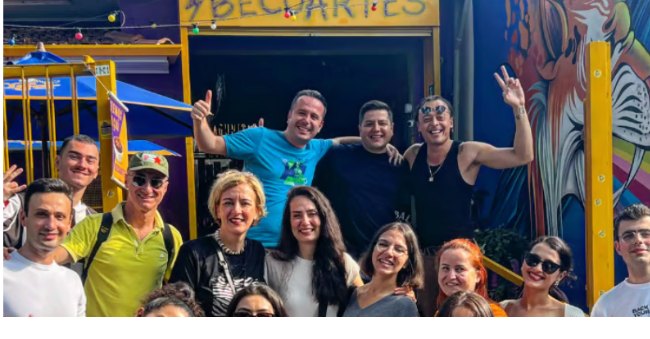
Did you enjoy reading? Then turn theory into experience. Located in the heart of Vila Madalena, Becoartes is the obligatory stop for those who want to take a break from the tour in comfort. Whether you want to cool off with a cold drink, admire the pulsating art or taste our classics, join thousands of visitors who have already made our space part of their history.