One street in São Paulo's Vila Madalena neighbourhood offers two ways into the city's art history. Rua Medeiros de Albuquerque is one of the reference points for finding Beco do Batman, or Batman Alley, where paintings are part of an ordinary walk. At number 250, the Choque Cultural gallery mounted exhibitions at what is now a former address. The proximity makes it possible to trace an exchange across São Paulo: people meet art on the street, follow artists into galleries, and see those artists find new ways of working back outside. Choque did not create Batman Alley. The connection matters because two very different places helped expand where artists could show work and where people could come across it.
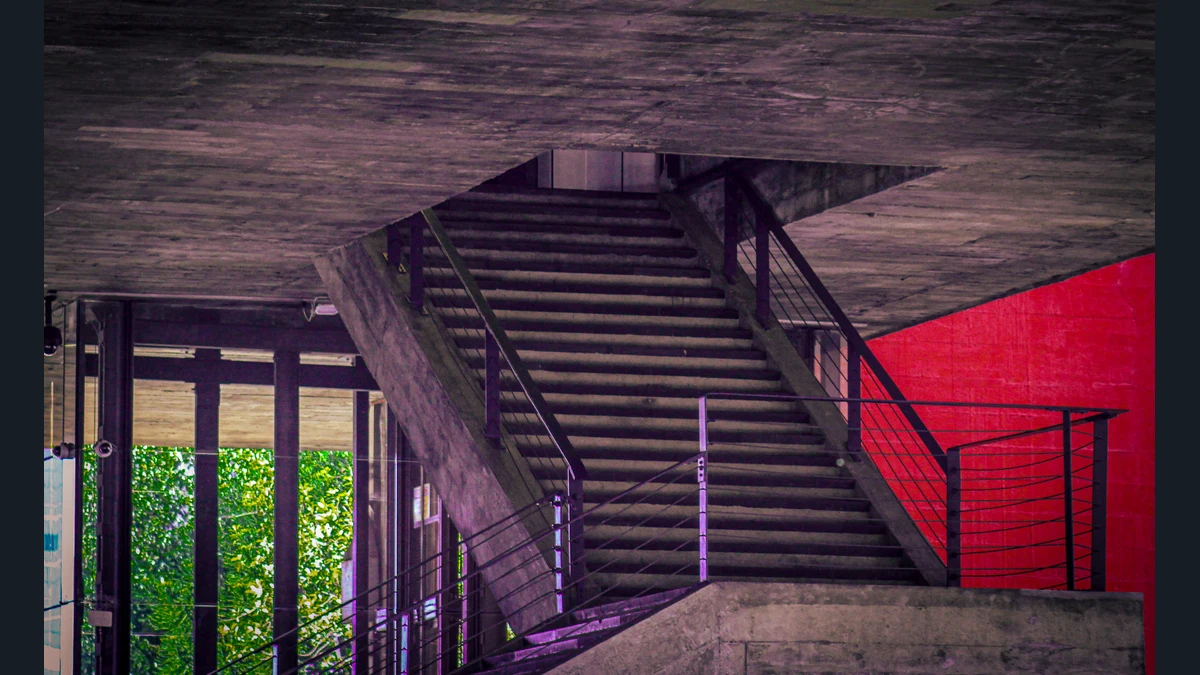
A home for work that crossed categories
Choque Cultural traces its beginnings to Vila Madalena in the early 2000s. Co-founder Baixo Ribeiro had worked in fashion and noticed how people involved in punk, hip-hop, skateboarding and graffiti circulated posters, clothing and accessories with their own visual language. Artist and co-founder Mariana Pabst Martins describes the enterprise as a place for people to meet. Those two ideas explain why the project was never simply about hanging pictures. Bringing together artists who worked in different media for different audiences was part of the point.
The gallery's anniversary history offers a revealing detail: producing prints was already on the agenda before the gallery opened. An edition allows one work to go home with more than one person while remaining recognisably the artist's creation. For someone who first came across an artist's work outdoors, a print offers another scale at which to live with the same visual language. For the artist, it is another route to a public rather than a replacement for the wall. Today Choque describes three strands of work: collecting, education and cultural production.
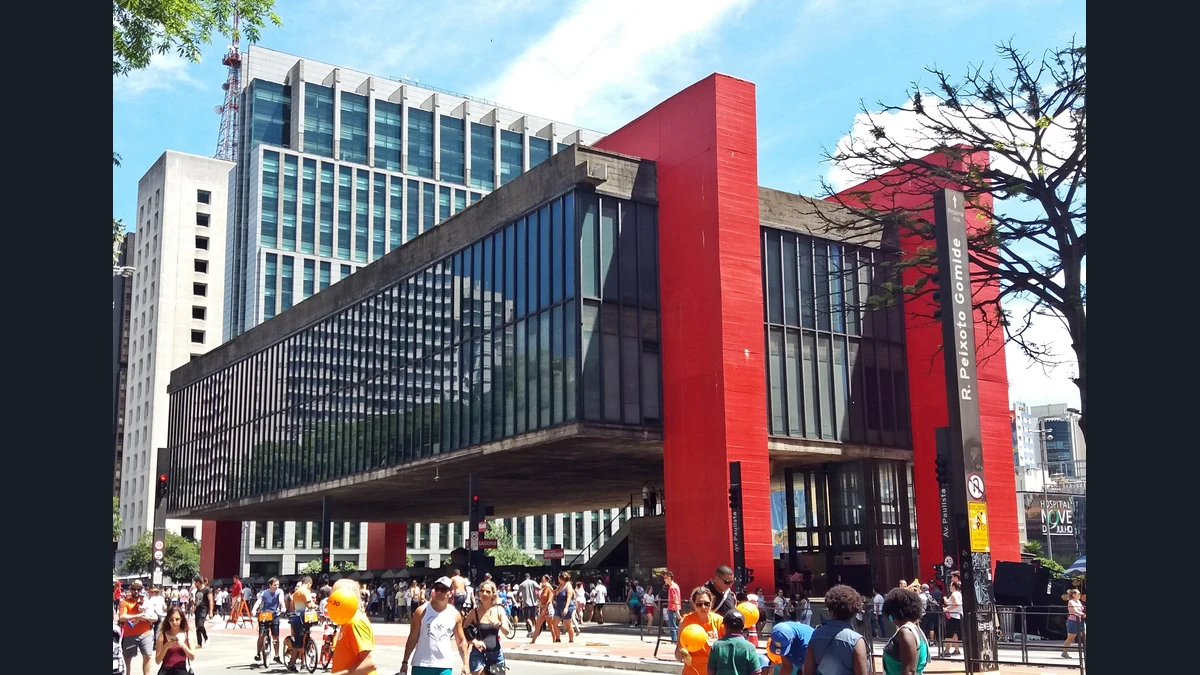
When the museum planned to erase its murals
In November 2009, the São Paulo Museum of Art, better known as MASP, opened De Dentro para Fora / De Fora para Dentro, curated by Mariana Martins, Baixo Ribeiro and Eduardo Saretta. Carlos Dias, Daniel Melim, Ramon Martins, Stephan Doitschinoff, Titi Freak and Zezão created six large murals especially for the exhibition. Visitors also encountered installations, canvases, photographs and videos about the artists. The museum's own exhibition record specified that the murals would be erased at the end of the show.
That decision challenged a familiar assumption: people often think that once an object enters a museum it is there to stay. In this case, the temporary life of the paintings was part of the format. The exhibition did not try to relocate Batman Alley to Avenida Paulista or recreate its walls. It asked the museum to deal with a question already familiar on the street: how can you give an artwork sustained attention when it will not stay where it is? In its account of the follow-up exhibition, MASP says the original drew more than 140,000 visitors.
In 2011, the work crossed the threshold again
The international edition, De Dentro e de Fora / Inside Out Outside In, occupied MASP and its surroundings in 2011. One of the projects in the museum's archive is by the Czech artist Point, who painted over pavement repairs on streets behind the building. The Argentine artist Tec outlined a fish on Rua São Carlos do Pinhal; its head and tail could be seen at opposite ends of a section below the overpass. The French artist JR used a reproduction of *Kaiowá*, a photograph by José Roberto Ripper from the museum's collection, on the hoarding around its annexe.
Each of these projects invited people to look at the city differently. Point began with something passers-by normally overlook: a patch in the pavement. Tec let the structure of the overpass split the drawing and made the viewer's position determine what was visible. JR took an image from the collection out into public space. Instead of treating the pavement as a way of getting to the museum door, the artists made it part of the visit.
Vila Madalena remains part of the story
The gallery kept experimenting at its former address. Its archive places Dhamma, a solo exhibition by Narcélio Grud, at 250 Rua Medeiros de Albuquerque in 2019. Some of his kinetic sculptures required a visitor to set them in motion. Rather than just watching a mechanism, a person could give the object a rhythm. That example helps explain why the street's creative history is about more than mural painting. Sound, movement and the active role of the viewer found a place in the neighbourhood, too.
Choque now lists Alameda Sarutaiá, 206, in Jardim Paulista, as its address on its official website. The old Vila Madalena address is not a direction to the present gallery. Both locations are worth remembering, though. The first situates the project's beginnings; the second shows how connections forged near Beco do Batman could travel across the city.
Photos resized and fitted with margins. The second photograph was already cropped in the source file. Boaventuravinicius / Wikimedia Commons (CC BY 4.0); Naldo Arruda / Wikimedia Commons.jpg) (CC BY 2.0).
Explore the gallery’s history
Find Choque Cultural’s history and projects on its [official website](https://choquecultural.com.br/quem-somos/).
Becoartes - Beco do Batman
99 Gonçalo Afonso Street, Vila Madalena, São Paulo