One group of pupils went to Beco do Batman to read. A second arrived with poems they had written themselves. On a third visit, teachers linked what was painted on the walls to rap lyrics and the history of São Paulo. Each outing took place in a different year and was organised by a different municipal school. The visits show a side of the open-air gallery that is easy to miss if you are there simply to take pictures. The same street can make a good place to test a question about who gets to speak, what happens when you read aloud or how one neighbourhood resembles another.
2017: reading a picture after studying literature
On 30 September 2017, ninth-year pupils at EMEF Célia Regina Lekevicius Consolin visited the alley with Portuguese and history teachers. The Municipal Education Department's account explains that one of the class projects dealt with literature from the margins, known in Brazil as *literatura marginal*. Portuguese teacher Andreza Briganó offered graffiti as another way to express ideas, call attention to injustices and assert a voice, alongside books and songs familiar to her pupils. On the visit they looked at paintings and read poems displayed on street posts.
An outing like this makes a question about form more immediate. What happens when an idea moves off the page and onto a wall? A book reaches someone who chooses to open it. A mural may reach people whose reasons for passing that wall have nothing to do with art. The poems on the posts complicated the comparison in a useful way: it was not a choice between words and images, because both were there. That does not mean the paintings illustrated the texts the class had studied. What made the comparison worthwhile was the opportunity to see how different forms of public expression meet different audiences.
2018: the audience changes when pupils bring their own poems
Over two outings, on 11 and 15 June 2018, EMEF Marina Melander held the third edition of its *Sarau na Praça: Ocupando a Cidade*, a project that brings arts gatherings into the city. The municipal school service's report records 230 seventh- and eighth-year pupils. They shared reading experiences and recited their own poems. The visits also included a discussion of slavery in European antiquity and medieval European feudalism, comparing those forms of social organisation with the present.
This time the alley did not serve merely as a place to see work made by others. The young people brought something to perform. Reading a poem aloud away from school is not the same as handing it in. Rhythm and pauses are part of what a listener receives, and the words reach ears beyond those of their writer. The history conversation illustrates a different point: a subject need not be depicted on a mural for the street to be a useful place to discuss it. The art that was already there and the work brought by the pupils could share the space without either having to explain the other.
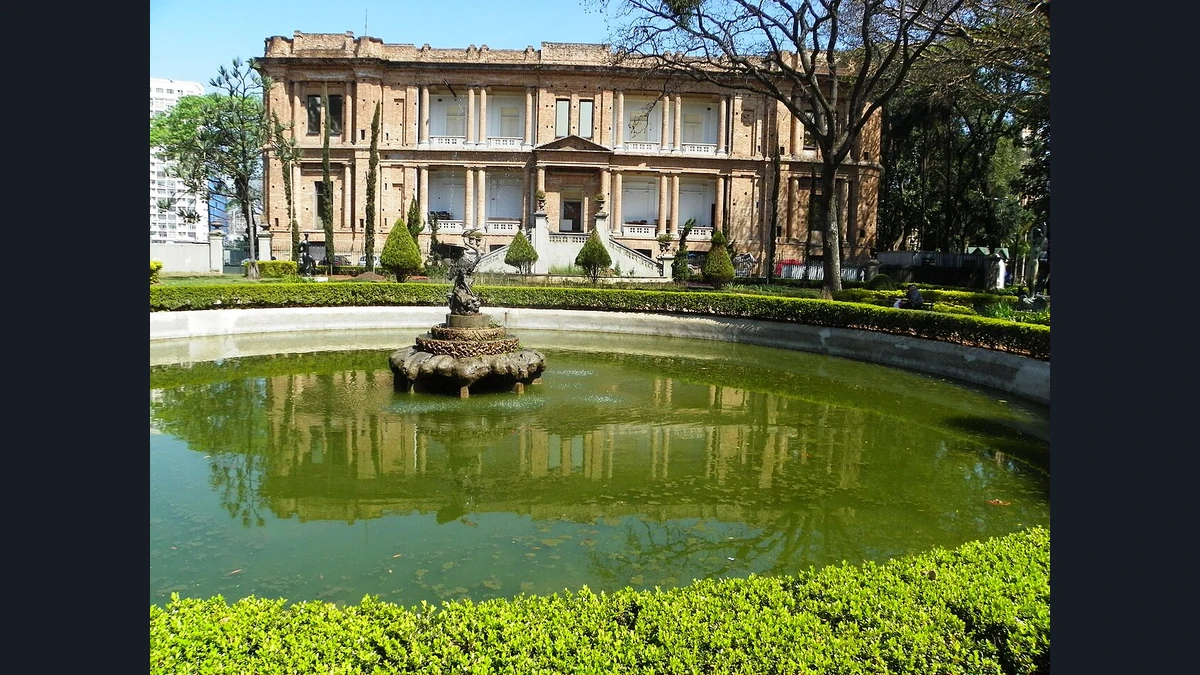
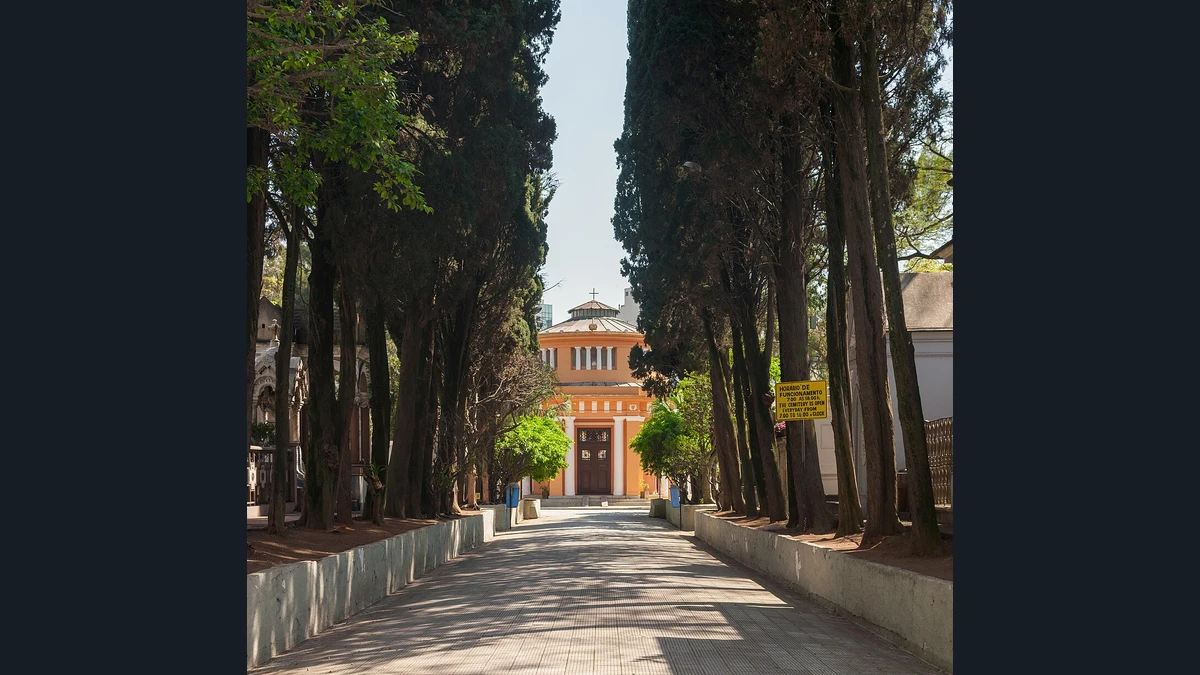
The Vila Madalena dates were not the start of the project. The same report places previous editions at the Pinacoteca do Estado art museum and Cemitério da Consolação. The move from those settings to a painted alley helps explain the name of the project. What the venues shared was not a style of architecture: each offered a place in the city where pupils could make and present work, not simply visit.
2022: graffiti, rap and the history of streets
On 30 and 31 March 2022, seventh- and eighth-year pupils from EMEF Jardim Mitsutani–Jornalista Paulo Patarra, in the south of the city, visited the alley and its surroundings as part of a hip-hop project. The official account describes teachers drawing attention to styles, subjects and distinctions between more realistic and more abstract pictures. Teacher Fábio Barreto also compared the narrow streets and houses of the area with places the pupils already knew, situating the discussion in the history of São Paulo's urban growth.
The trip was one part of a larger collaboration among art, history and Portuguese teachers. Portuguese lessons included analysing rap lyrics and writing opinion letters; the other subjects offered ways to investigate images and their context. The school took the pupils to see graffiti near their school, too. That is an important detail. Vila Madalena was not presented as the only place worthy of attention. It gave pupils something to compare with the neighbourhood they already knew.
An idea to try in another neighbourhood
Choose a painting in public view and have each member of the group write down one fact they can describe confidently and one question the image raises. Compare the two lists. The first asks for description before interpretation; the second offers a reason to look up the artist, the history of the street or another work that takes a different approach. It is an exercise you could do in Beco do Batman or near home. That is the most useful thing these visits brought to the alley: ways of talking about the city that did not have to stay behind when the outing ended.
Photo credits. Images resized and fitted with margins; the derivatives retain the licences below. Wikimedia Commons source files were scaled to 1,280 px. Fernando nunes / Wikimedia Commons (CC BY-SA 4.0); Wilfredor / Wikimedia Commons (CC0 1.0).
Try it in your own neighbourhood
Choose a street and one work. Ask your group what changes when the neighbourhood becomes part of the lesson.
Becoartes - Beco do Batman
99 Gonçalo Afonso Street, Vila Madalena, São Paulo