Eva Marie Saint was an American actor whose career spanned more than six decades across television and film. The clearest way to understand her distinctive place in Hollywood is through three stages: her award-winning film debut in “On the Waterfront,” her sophisticated reinvention in “North by Northwest,” and her lasting presence in productions made for different generations. Saint died on October 6, 2026, at age 102, according to the Television Academy. This guide organizes her career around the significance of the work, rather than offering a simple list of titles.
Television training before the movies
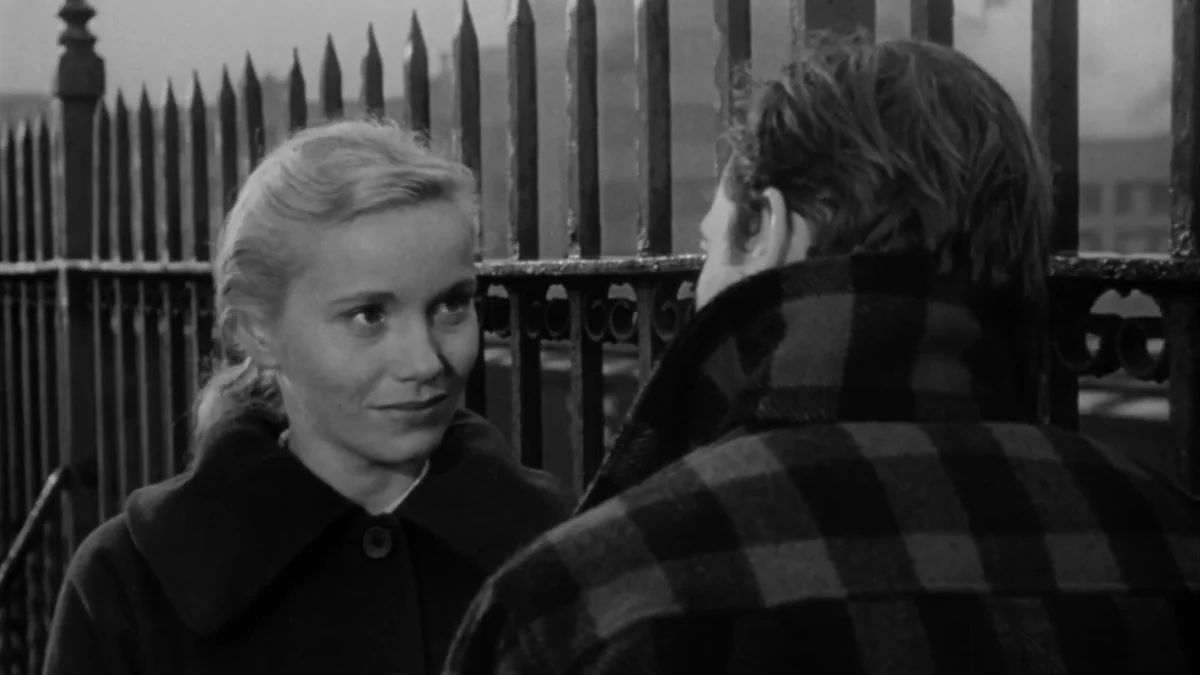
Born on July 4, 1924, in Newark, New Jersey, Saint began in television and worked on Broadway before reaching the movies. Live television demanded precision, vocal command, and the ability to sustain long scenes—qualities that can be seen in the economy of her gestures on camera.
The Television Academy records five Emmy nominations and one win. Her nominations encompass productions including “The Philco Television Playhouse,” “Our Town,” “How the West Was Won,” and “Taxi!!” In 1990, she won for supporting actress in a miniseries or special for “People Like Us,” playing Lil Altemus. This chronology prevents an incomplete reading: Saint was not a movie star who occasionally appeared on TV, but a performer trained and consistently active in both media.
“On the Waterfront”: the debut that set a standard
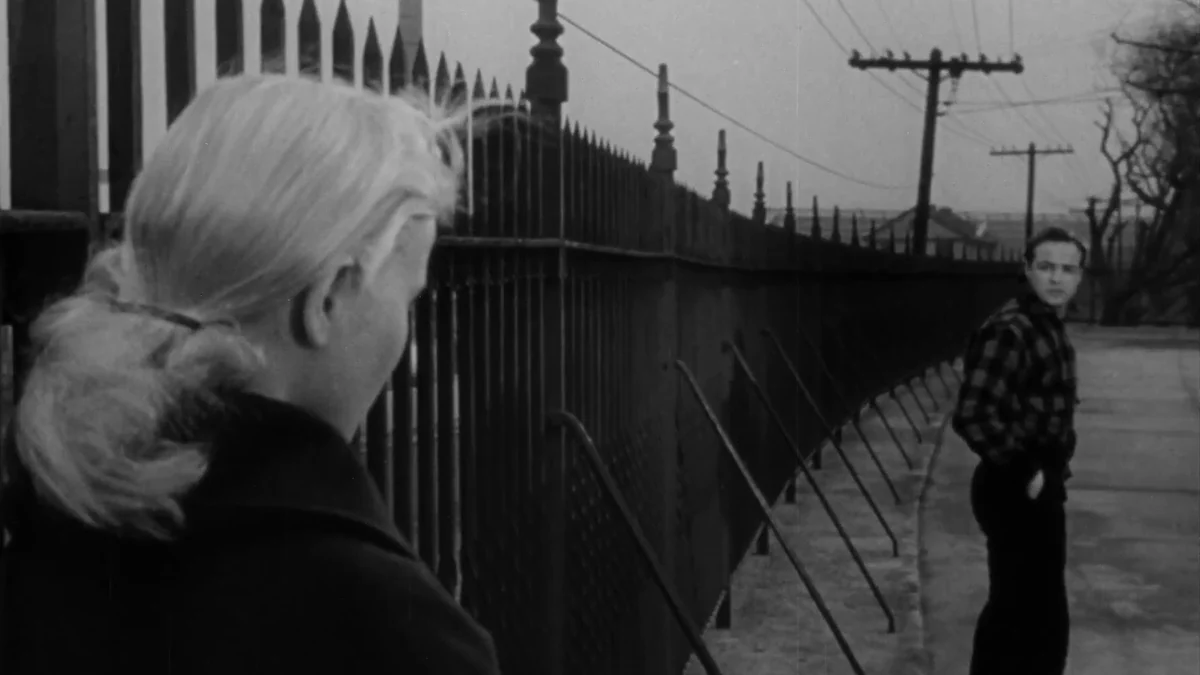
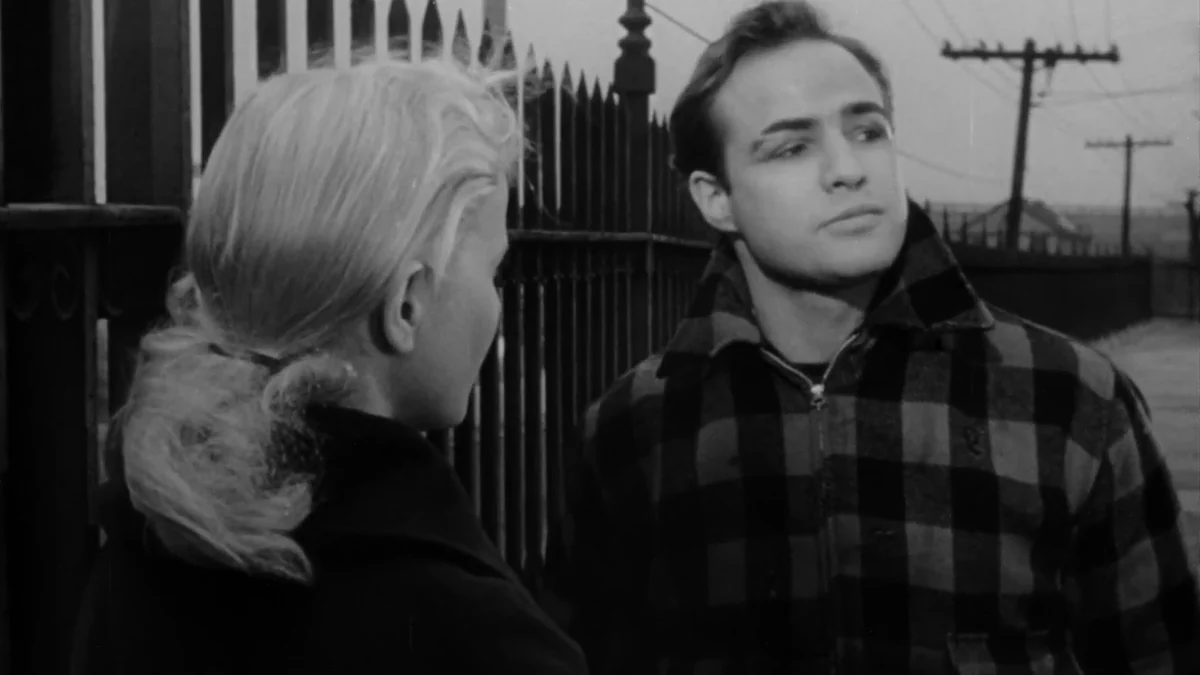
In the 1954 film “On the Waterfront,” Saint plays Edie Doyle opposite Marlon Brando. It is the first film to choose when discovering her work: her performance combines delicacy, moral resolve, and close attention to her scene partner without reducing Edie to a romantic function.
Her film debut earned her the Academy Award for supporting actress. The official Academy of Motion Picture Arts and Sciences record confirms her win at the March 30, 1955 ceremony honoring films released in 1954. At the same ceremony, “On the Waterfront” also won best picture, directing for Elia Kazan, actor for Brando, writing, film editing, black-and-white cinematography, and black-and-white art direction.
Watch for how Saint reacts before she speaks. Silences, shifts in her gaze, and slight hesitations make Edie’s conflict visible. The Oscar is an objective milestone, but the film’s value in this route lies in showing, from her first movie role, a performance grounded more in listening than display.
“North by Northwest”: ambiguity under Hitchcock
The second essential title is “North by Northwest,” Alfred Hitchcock’s thriller in which Saint plays Eve Kendall. The character inhabits a different register: elegant and controlled, she must alternate between seduction, reserve, and danger while the story carefully manages what the audience knows about her intentions.
The distance between Edie Doyle and Eve Kendall demonstrates the actor’s range. Instead of repeating the vulnerability associated with her debut, Saint works with concealed information and shifting loyalties. The film is therefore the best next step for viewers who want to see how she turned an understated presence into dramatic tension. The Television Academy identifies Eve Kendall as one of her best-known roles.
Other routes through her classic period
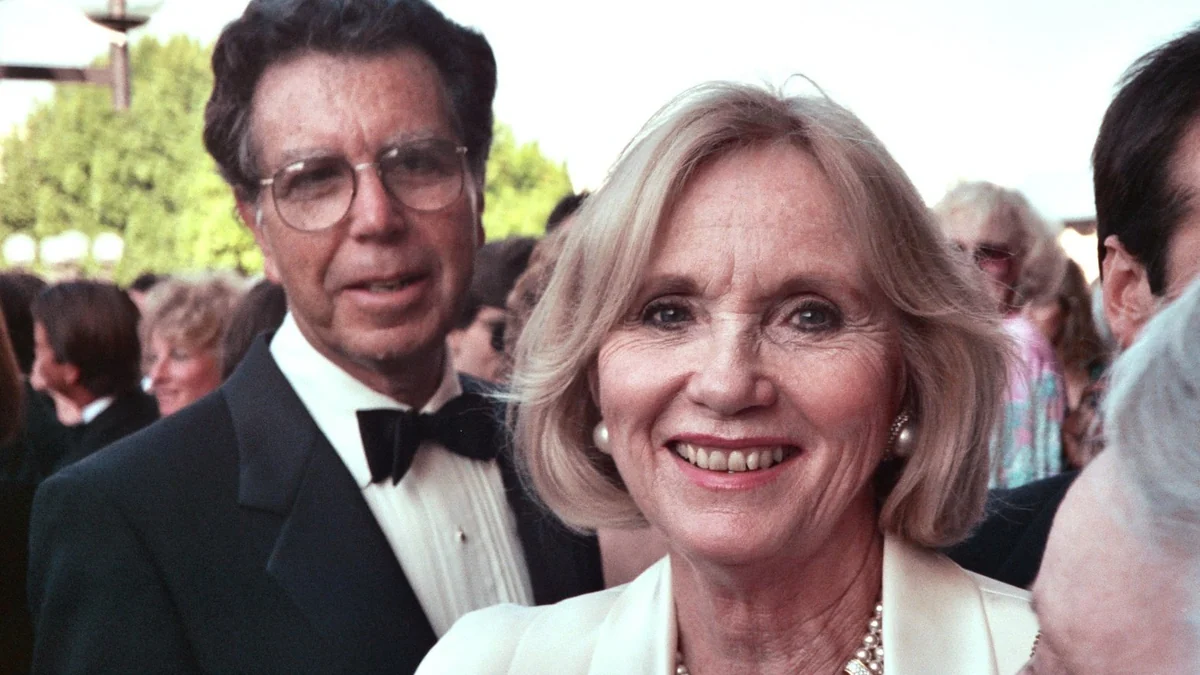
After those two entry points, “A Hatful of Rain,” “All Fall Down,” and “Exodus” broaden the picture. All three appear among the films highlighted by the Television Academy and offer a chance to observe Saint beyond the roles for which she is immediately remembered. “Exodus” adds the dimension of a large historical production; the family dramas reveal her ability to work within more intimate conflicts.
“Grand Prix” is another option for exploring her presence in a large-scale production centered on motor racing. There is no need to complete the filmography chronologically. A more revealing sequence would begin with the contrast between “On the Waterfront” and “North by Northwest,” continue with a drama, and then move to an epic-scale work. Each viewing then adds a facet instead of merely another title.
Television, voice work, and later roles
Saint’s later career confirms that she was not confined to 1950s Hollywood. In addition to her Emmy for “People Like Us,” the Television Academy records that she voiced Katara in “The Legend of Korra.” The part connects an actor trained in the era of live television with a contemporary animated production.
In film, 2006’s “Superman Returns” introduced her to another audience as Martha Kent. AdoroCinema identifies 2014’s “Winter’s Tale” as her final feature-film appearance. These later works do not replace the classics as an introduction, but they demonstrate the unusual span of a career that crossed genres, formats, and generations.
A practical viewing order
For a short selection, begin with “On the Waterfront,” follow it with “North by Northwest,” and then watch “Exodus.” Add “People Like Us” to understand television’s parallel importance in her career. For the later period, include “Superman Returns” or her voice performance in “The Legend of Korra.”
Availability varies by country, service, and date, so check official catalogs before deciding where to watch. What matters is preserving the contrasts: Edie Doyle’s candor, Eve Kendall’s mystery, the scale of the historical productions, and Saint’s repeated return to television explain her importance more effectively than an exhaustive list.
Discover Becoartes
Continue exploring art and culture at [Becoartes](https://becoartes.com/), Rua Gonçalo Afonso, 99, Vila Madalena, São Paulo.
Becoartes - Beco do Batman
99 Gonçalo Afonso Street, Vila Madalena, São Paulo