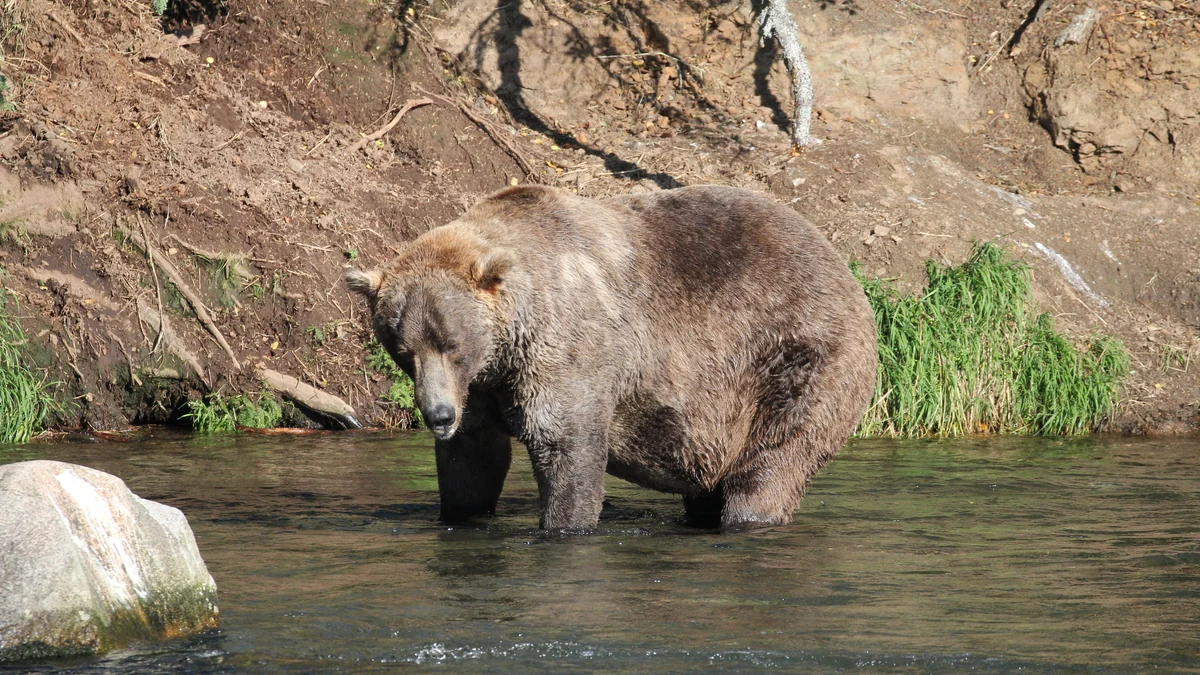
Fat Bear Week 2026 runs from September 22 to 29 and lets the public choose online which brown bear in Alaska’s Katmai National Park and Preserve best represents fatness and success before winter. Voting takes place through elimination matchups, pauses over the weekend and is available at fatbearweek.org. Instead of simply picking the largest-looking animal, voters can compare motherhood, age, access to salmon, proportional growth and the obstacles each bear faced during summer.
When and how to vote
Each matchup is open from noon to 9 p.m. Eastern, 9 a.m. to 6 p.m. Pacific and 8 a.m. to 5 p.m. Alaska time. These hours correspond to 4 p.m.–1 a.m. UTC on the announced dates. Because schedules and page operation can change, check the official voting page before taking part.
To vote, click or tap the chosen bear’s photograph and enter an email address when prompted. Confirmation appears when the page displays the vote totals. The system records one vote per email in each poll; refreshing the page shows updated results. If a poll does not load, the official guidance is to refresh and check whether ad or pop-up blockers are enabled.
The opening round takes place on September 22 and 23. Further stages follow on September 24 and 25, with no voting on September 26 or 27, semifinals on September 28 and the final on September 29. The official schedule also lists live conversations, ranger commentary and educational activities. Check it before watching, as times are given in United States time zones.
How the bracket works
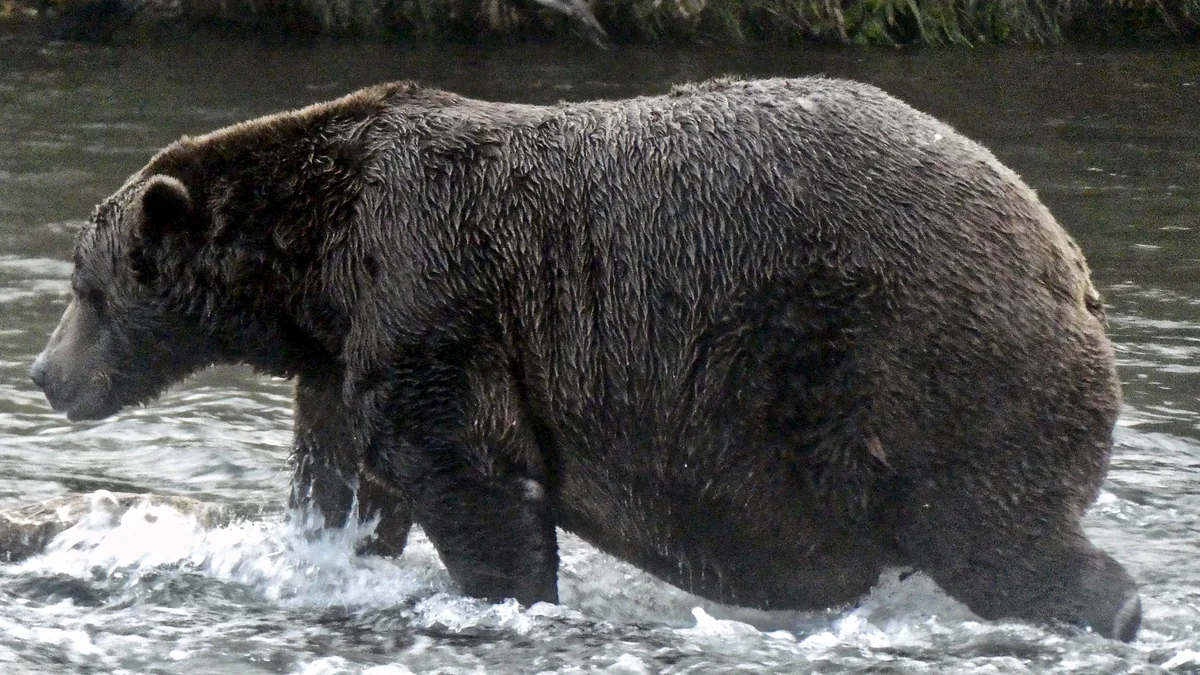
This is a single-elimination tournament: the bear receiving more votes in each matchup advances, while the other leaves the competition. The 2026 bracket was revealed on September 18. The champion will be decided on Fat Bear Tuesday, September 29, after the Final Fat Four round on September 28.
The format explains why a favorite may face a very different candidate—a family, a solitary adult female, an independent youngster or an adult male. Participants are not compared all at once. Filling in a bracket beforehand can be entertaining, but each vote is best considered within the context of that particular matchup.
Fat means survival, not appearance
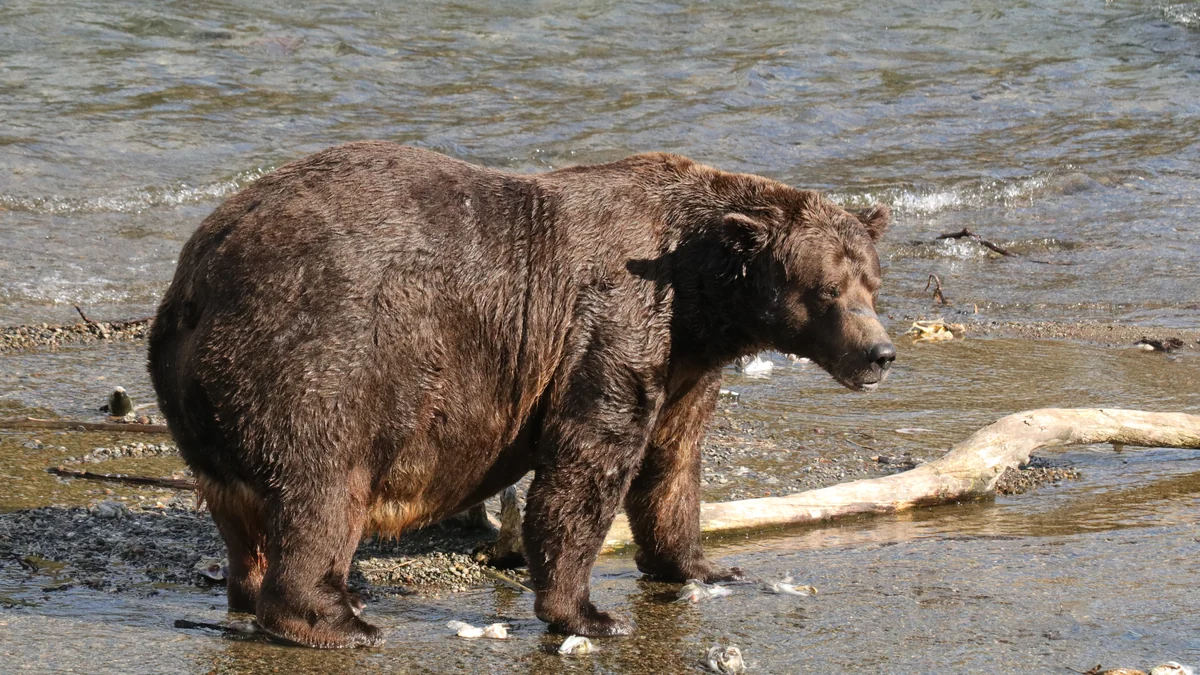
Bears accumulate reserves because they neither eat nor drink during hibernation and may lose about one-third of their body weight. At Brooks River, sockeye salmon are an especially important energy source. According to Explore.org’s ecological explanation, dozens of bears gather there to fish from late June until mid-October.
The central question is therefore not which silhouette looks roundest. It is which animal made the best use of its circumstances to reach winter prepared. Before-and-after photographs are helpful, but perspective, wet fur and posture can mislead. Individual profiles and observed behavior add necessary context to the visual comparison.
Five criteria beyond size
Motherhood requires a distinct assessment. A female must feed herself, protect her cubs and enable their growth while also building her own reserves. The 2026 field includes five families, reflecting the record observed at Brooks River that summer: 19 families and 37 cubs, according to the official contestant profiles.
Age changes the challenge too. Older bears compete with younger animals for fishing locations; subadults, generally between three and five years old, are still refining their skills and rank low in the hierarchy. For them, proportional gain, independence and the discovery of new feeding areas may reveal more than absolute bulk.
Also consider access to food, fishing technique and resilience. Young male 694, for example, explores opportunities near the falls but cannot yet compete equally with larger adults. Small female 610 arrived with her first known litter after an early life marked by premature separation and injury. Bear 806 cares for a biological cub and Biggie, an adopted youngster. These accounts do not create an objective score; they make an informed vote possible.
Contestants that reveal different stories
The 2026 field comprises five families—132, 284, 610, 806 and 901—the subadults 620 and 694, adult females 131, 428 Studious, 909 and 910, and adult males 32 Chunk, 89 Backpack, 151 Walker, 164 Bucky and 903 Gully.
32 Chunk enters as the 2025 champion. More than 1.7 million votes were cast from over 100 countries in that edition, according to the National Park Service announcement. Past success provides no automatic advantage: every 2026 matchup asks anew which story best represents preparation and success during that summer.
From educational activity to internet ritual
The contest began in 2014 as Fat Bear Tuesday, a one-day Facebook vote inspired by comparing photographs from June and September. It became a full week in 2015 and now combines a sports-style bracket, live cameras, fan campaigns and environmental interpretation. The history published by the park shows how an educational idea found an international audience without losing the ecological issue at its core: fat bears depend on abundant food and a functioning ecosystem.
That origin also suggests the most rewarding way to participate. A choice can be emotional and playful, but it becomes richer when voters read the profiles, watch the cameras and recognize that different ages and responsibilities create different challenges. Confirm matchups and voting hours on the official site before each round.
Continue the cultural conversation at Becoartes
After following the contest, visit Becoartes at Rua Gonçalo Afonso, 99, Vila Madalena. Check the venue’s official website before going.
Becoartes - Beco do Batman
99 Gonçalo Afonso Street, Vila Madalena, São Paulo
Sources and credits
- KatmaiNPS — Public domain
- Katmai National Park and Preserve — Public domain
- KatmaiNPS — Public domain
- National Park Service — comunicado oficial da Fat Bear Week 2026
- Explore.org — votação, regras e chave de 2026
- Explore.org — programação oficial de eventos
- Explore.org — perfis dos ursos participantes
- National Park Service — história e significado ecológico da competição
- Wikimedia Commons — categoria de imagens da Fat Bear Week com licenças indicadas por arquivo