Gavin McKenna’s first four games indicate that the Toronto Maple Leafs are already putting him in positions to attack: above-average speed, frequent offensive-zone starts and nine of his ten inferred shot attempts—a filtered NHL EDGE metric—generated on offensive-zone plays. That describes his early usage, but it is not enough to define his season.
Putting the first goal in context
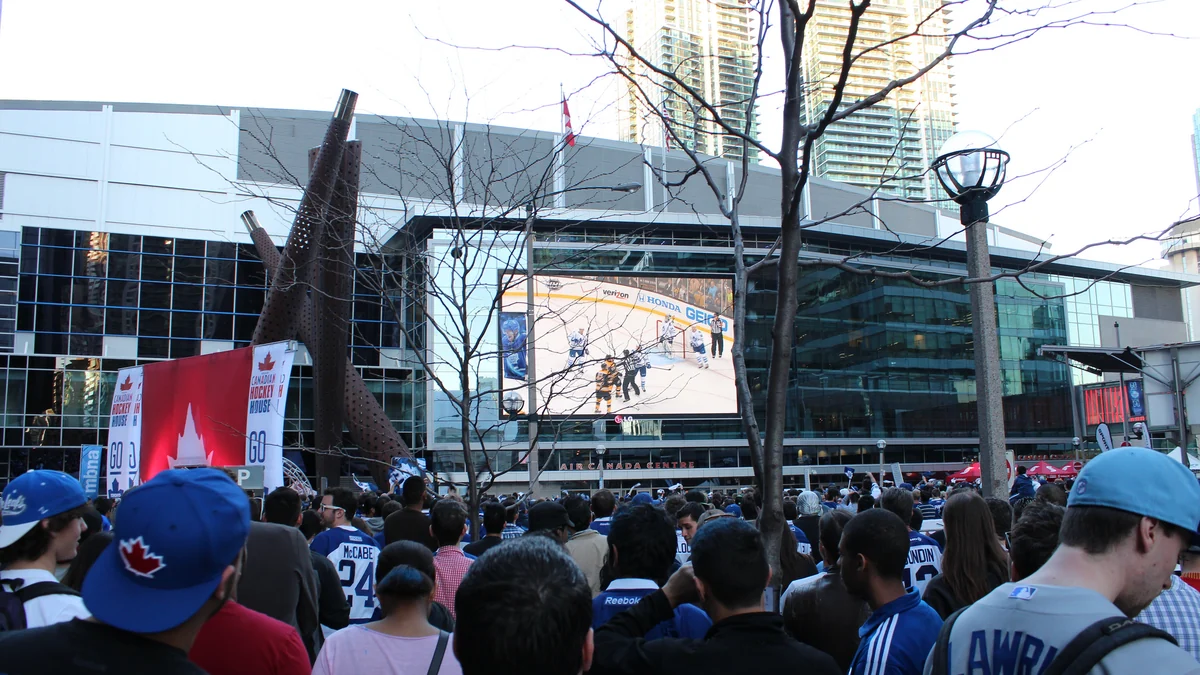
McKenna went without a point in his first three NHL games. On October 6, 2026, he scored a goal and added an assist as Toronto defeated the Nashville Predators 5-4 in overtime. The official NHL recap records that the Maple Leafs trailed 3-0 before rallying; Auston Matthews won the game with 14 seconds remaining in overtime.
The rookie helped begin the comeback by assisting John Tavares, then narrowed the score to 4-3. According to the Maple Leafs’ game notes, he was 18 years and 290 days old, making him the team’s youngest player to score his first goal since Luke Richardson in 1987.
What the shot location reveals
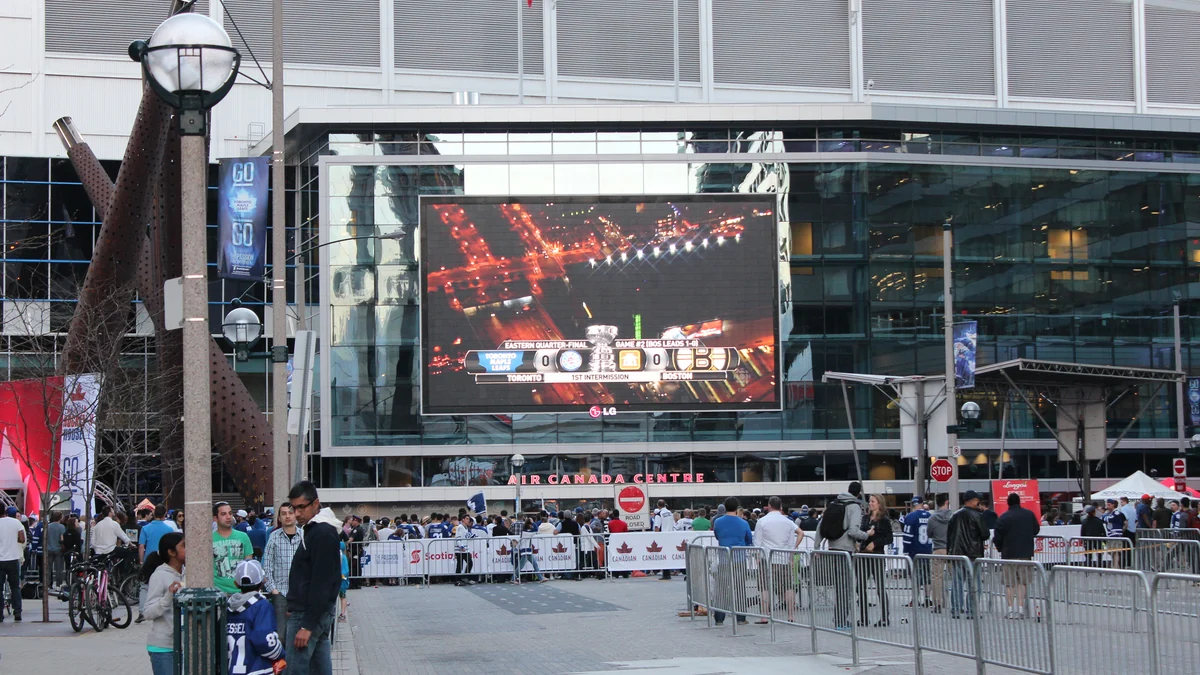
NHL EDGE classified the goal as a mid-range shot released 25.28 feet from the goal line. It carried a 2.61 percent Projected Goal Rate: based on the characteristics tracked by the system, this was a low-probability attempt rather than a chance normally expected to become a goal.
The finish does not establish sustainable efficiency. The NHL EDGE analysis says it was only his second mid-range shot on goal of the season. McKenna recorded six conventional shot attempts against Nashville after totaling five in his first three games. That total of 11 does not conflict with the ten inferred attempts cited by EDGE: the filtered metric excludes shots from beyond 60 feet, behind the goal line and into an empty net.
Speed is showing up repeatedly
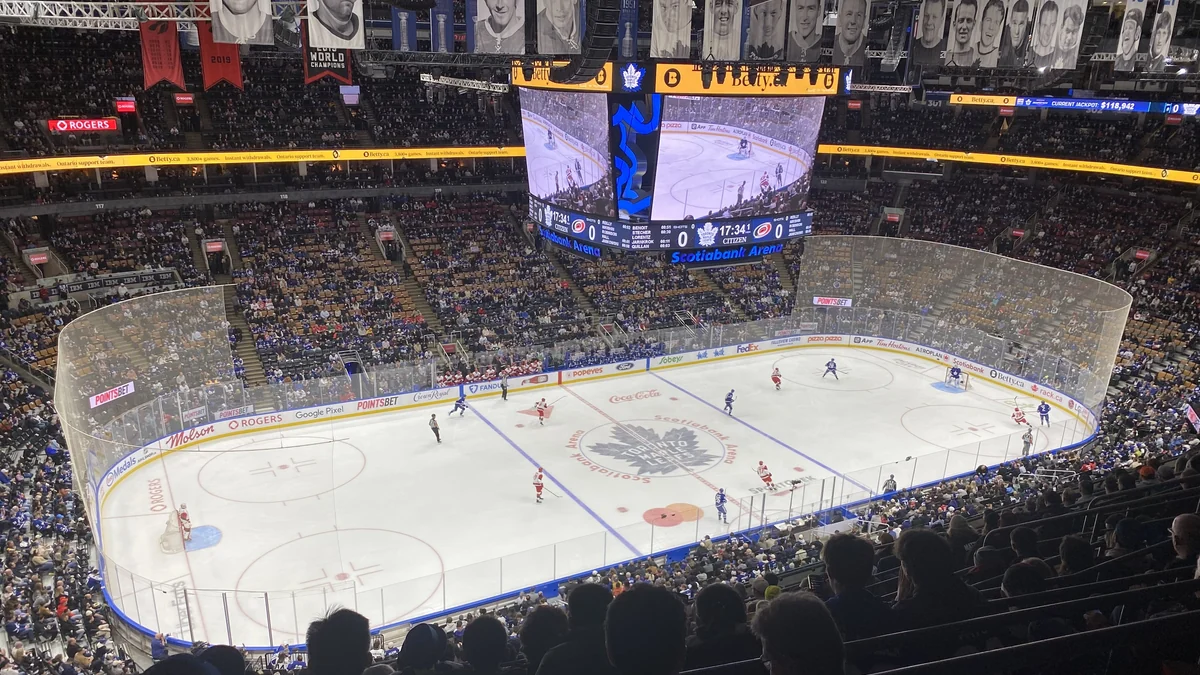
McKenna reached a maximum skating speed of 21.64 mph, placing him in the 69th percentile among forwards and above the positional average of 21.21 mph. He also produced 50 bursts of at least 18 mph and recorded at least one burst above 20 mph in each of his four games.
Those figures show repetition rather than a single eye-catching play. Maximum speed and burst totals, however, do not independently measure decision-making, chance creation or defensive contribution.
Offensive-zone starts clarify his role
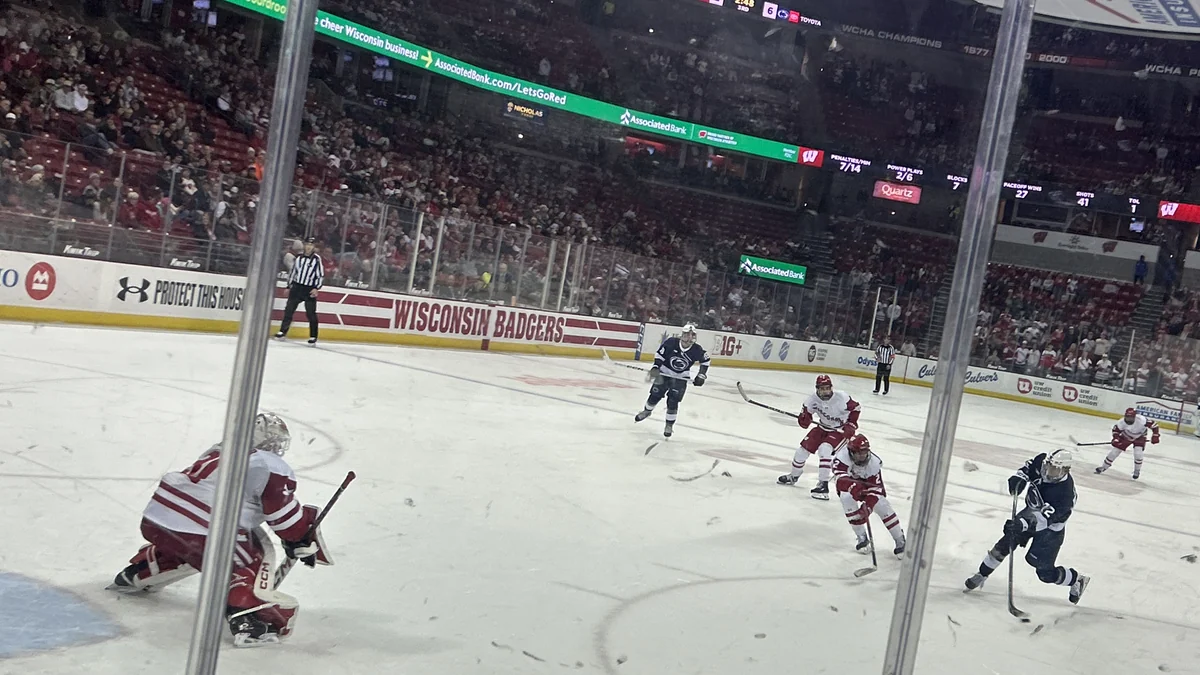
At five-on-five, 53.1 percent of McKenna’s starts came in the offensive zone, a result in the 93rd percentile. This measures where his shifts or deployments begin; it is not the percentage of total playing time he keeps the puck in that area.
Nine of his ten inferred shot attempts came on offensive-zone plays. He also averaged 2:16 of power-play ice time per game and played mostly alongside William Nylander and Tavares at five-on-five. Together, the numbers suggest that Toronto trusts him in attacking situations.
One improved game remains a small sample
In his fourth game, McKenna posted a plus-six shot-attempt differential at five-on-five. Across his previous three games combined, he had been minus-18. The shift matters, but four games leave ample room for volatility.
Expectations also have a clear basis: Toronto selected him first overall in the 2026 NHL Draft. In its draft announcement, the club noted his 51 points in 35 games for Penn State the previous season.
The prudent approach is to track trends. If the bursts, offensive presence and attempt volume persist, there will be a stronger foundation for judging his adjustment. For now, the data show opportunity and an early step forward—not a final conclusion.
Discover Becoartes
Visit [Becoartes](https://becoartes.com/) at Rua Gonçalo Afonso, 99, Vila Madalena, São Paulo.
Becoartes - Beco do Batman
99 Gonçalo Afonso Street, Vila Madalena, São Paulo
Sources and credits
- KatieThebeau — CC BY 2.0
- KatieThebeau from Toronto, Canada — CC BY 2.0
- Adam Bishop — CC BY-SA 4.0
- SecretName101 — CC BY-SA 4.0
- NHL EDGE — análise oficial do início de McKenna
- Toronto Maple Leafs — súmula e notas do primeiro gol
- NHL — recap oficial de Maple Leafs x Predators
- Toronto Maple Leafs — anúncio da escolha de McKenna no draft