There is no general November 20, 2026 deadline for pensioners and other current INSS recipients to present a biometric document, nor an automatic suspension of benefits on that date. On October 27, INSS officially denied that claim and said the cited requirement concerns new applications filed since November 21, 2025, subject to exceptions.
The correct next step depends on three questions: is the benefit already active or is this a new application? Does the person already have biometrics in an official database? Does an exemption apply? Before travelling or sharing personal information, check the case through Meu INSS or by calling 135 from Brazil.
People already receiving an INSS benefit
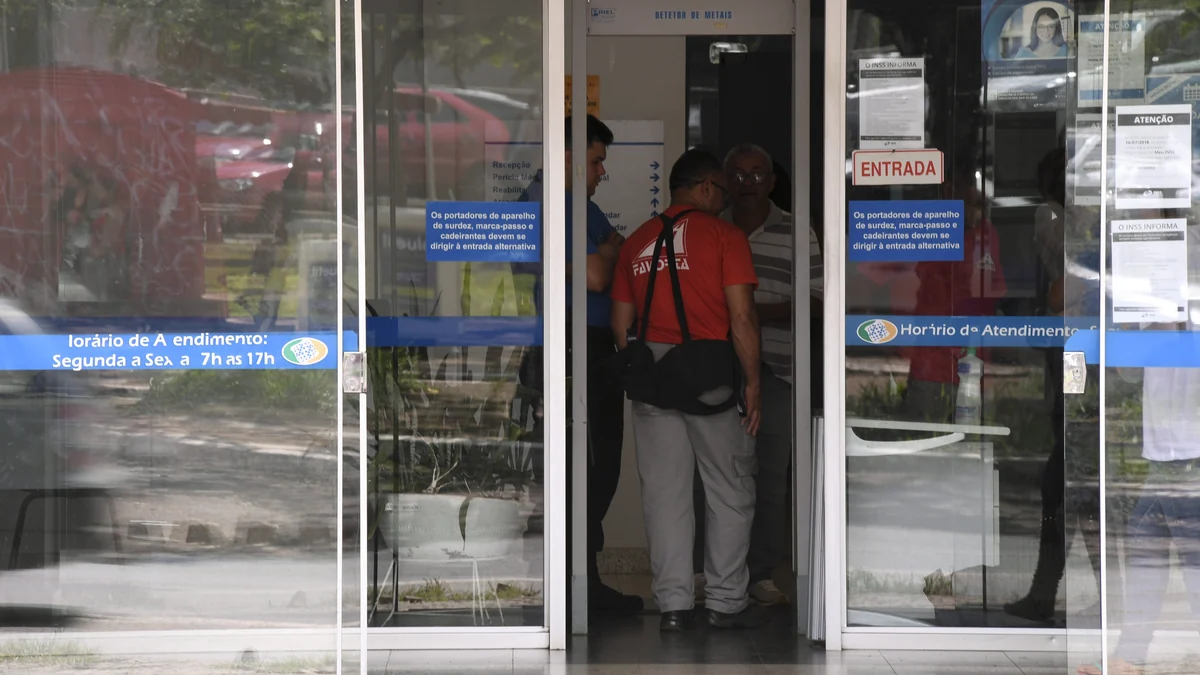
A person already receiving a retirement pension, survivor’s pension or another INSS benefit should not treat a message about “November 20” as an official summons. INSS says there is no need to visit one of its offices solely because of that message. Its offices also do not perform the biometric registration covered by this rule.
This does not mean that every recipient is exempt from any future verification. It means the official sources reviewed do not establish a blanket call to suspend active benefits on that date. If an individual action becomes necessary, INSS says the person will be contacted through official channels. The specific record should be checked through Meu INSS or 135.
New applications and the identity check
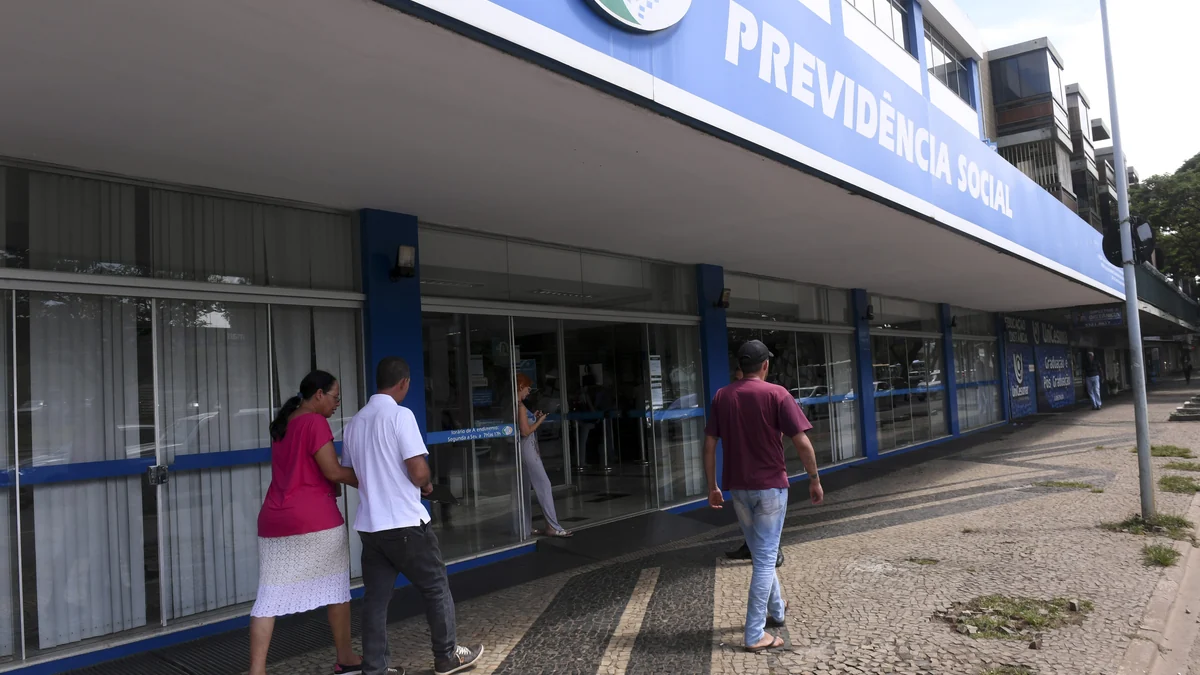
For new applications filed since November 21, 2025, INSS says identity may need to be confirmed through biometric data already held in a government database. That record is created when an official document is issued; it is not collected at an INSS counter.
INSS mentions the Brazilian National Identity Card (CIN), driver’s licence (CNH) and voter registration as examples. The Brazilian Digital Government FAQ also includes a biometric passport under the transition rules. Possessing one of these documents does not, by itself, mean that a benefit application has been approved. It supports identity confirmation; all other eligibility requirements remain subject to the appropriate review.
INSS lists exemptions for people over 80; migrants, refugees and stateless people under the specified conditions; residents abroad who provide the required documents; people unable to travel for more than 30 days because of health or disability, with medical proof; and residents of hard-to-reach areas under the applicable criteria. Applications for maternity pay, incapacity benefits and survivor’s pensions are also described as exempt.
CIN, CNH, voter registration and passport dates
The general framework for Brazilian social benefits includes a document transition. Anyone who already has a CIN has biometric registration accepted for the granting, maintenance and renewal of benefits. Until December 31, 2026, verification may also result from the issuance of a CNH, voter registration or passport, as well as a CIN.
During 2027, biometric data already held through a CNH, voter registration or passport may still be used if it was registered by December 31, 2026. Data from those three documents first registered on or after January 1, 2027 does not qualify under that stage of the transition; federal guidance points to obtaining a CIN instead. From January 1, 2028, the FAQ says only CIN biometrics will be accepted for granting, maintaining and renewing benefits.
These dates do not turn December 31, 2026 into a universal order to report immediately. They define which document databases can be used during each phase. Rules may change, so verify them on the official Digital Government page and with the authority responsible for the benefit.
Bolsa Família and BPC require separate checks
The federal framework covers social-security benefits and provides for biometric identification in granting, maintenance and renewal, with temporary exemptions while adequate access is unavailable. That structure appears in Joint Ordinance MGI/MDS/MPS No. 76, amended in April 2026.
Even so, the INSS announcement should not automatically be extended to Bolsa Família or the Continuous Cash Benefit (BPC), and a transition date should not be treated as every participant’s personal deadline. Procedures vary by programme and by stage: granting, maintenance or renewal. For a BPC case managed through INSS, check Meu INSS or 135. For other social programmes, consult the responsible authority before seeking in-person service. The reviewed sources do not support a blanket instruction to visit a CRAS social-assistance centre or Caixa solely to register biometrics.
This English-language edition explains Brazilian rules only. It does not apply to benefit systems outside Brazil or imply that Brazilian agencies offer service in English.
Biometrics are not proof of life
Biometric registration and proof of life are different procedures. Biometrics record physical characteristics, such as fingerprints and a facial image, to confirm identity. Proof of life verifies a beneficiary’s continuing status. INSS says it currently performs that check automatically by cross-referencing data.
A selfie, facial-recognition step or biometric document should therefore not be treated as a universal substitute for proof of life. There is also no reason to visit an INSS office solely because of a forwarded phone message.
What to do with a suspicious message
Do not open its link, disclose a password or bank details, or transfer money. INSS says it does not send staff to people’s homes to conduct proof-of-life checks. It recommends using Meu INSS, 135, gov.br/inss and its official social-media accounts. A message that creates urgency, requests payment or asks for credentials should be considered suspicious.
First identify the benefit and proceeding concerned, then consult the official channel and only afterwards arrange any required document. This sequence avoids unnecessary journeys and reduces the risk of handing information to scammers.
Discover Becoartes
Visit [Becoartes](https://becoartes.com/) at Rua Gonçalo Afonso, 99, Vila Madalena, São Paulo, Brazil.
Becoartes - Beco do Batman
99 Gonçalo Afonso Street, Vila Madalena, São Paulo