If you have noticed lesions or other symptoms compatible with mpox, seek assessment at a health service. If you have only had close contact with a suspected or confirmed case and remain symptom-free, seek care promptly: the service will need to assess the exposure risk and whether vaccination is indicated. In Brazil, vaccination is not universally open to the public or necessarily available at every primary care unit.
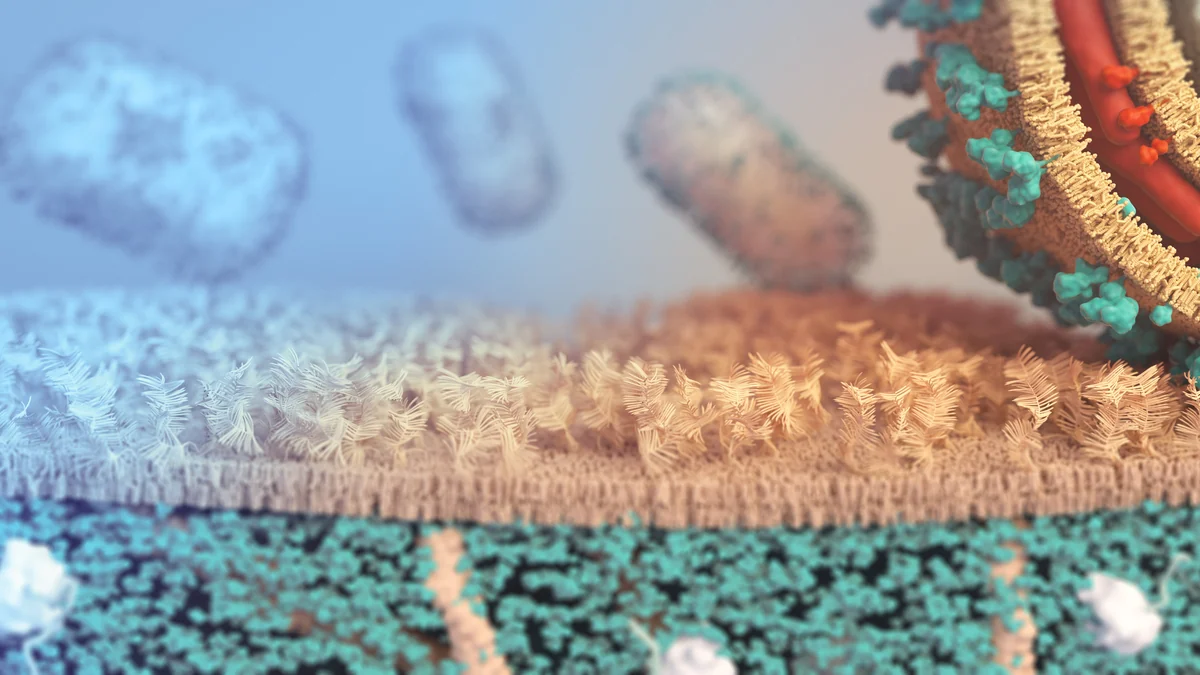
If you have lesions or symptoms, seek assessment
A skin rash or lesions are the most characteristic sign of mpox. They may be flat or raised, contain fluid and later form crusts. They can occur on the face, hands, feet, mouth, genitals, anus or elsewhere. Fever, headache, body aches, chills, weakness and swollen lymph nodes are also possible symptoms.
Brazil’s Ministry of Health advises seeking a health unit for lesions accompanied by fever or swollen lymph nodes, after close contact with a suspected or confirmed case, or when someone belongs to a group at greater risk of complications. The latter includes people living with HIV/AIDS, pregnant people, transplant recipients, cancer patients, children and older adults.
Until you are assessed, avoid close contact with others where possible. Diagnosis is made through a molecular laboratory test, usually using fluid from lesions or, once they are dry, crusts. Skin lesions can have different causes; appearance alone does not confirm mpox.
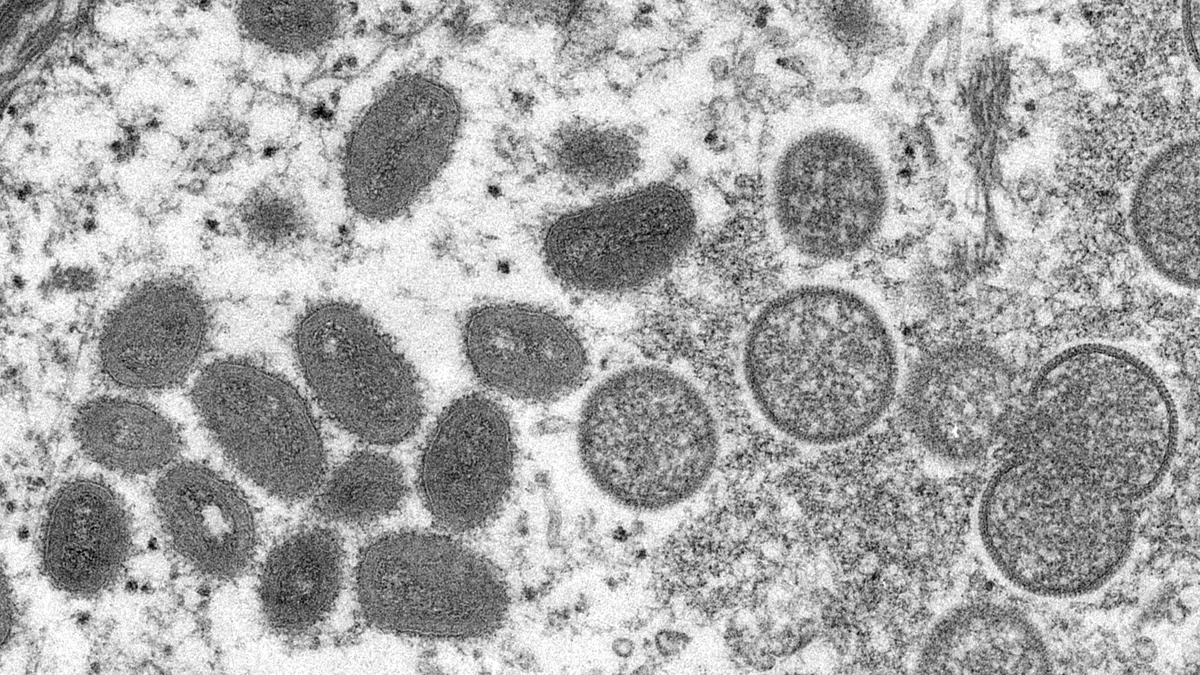
Symptom-free contact requires a risk assessment
Being in the same setting does not automatically mean an exposure qualifies for vaccination. Transmission occurs mainly through direct contact with an infected person’s lesions, rash or bodily fluids. Contaminated items such as clothes, towels and bedding, as well as close and prolonged contact with respiratory secretions, can also play a role.
Anyone who has had close contact with a suspected or confirmed case should seek a health service. According to federal guidance published in November 2026, professionals will assess the exposure risk and explain how to monitor for signs such as lesions, fever and swollen lymph nodes. Post-exposure vaccination is reserved for direct contacts classified as medium or high risk after assessment by public health surveillance.
When seeking care, report when the contact occurred and what it involved. This information helps the service apply official criteria; an exposed person does not need to classify their own risk.
The post-exposure vaccine has a short window
When indicated, post-exposure vaccination should preferably take place during the first four days after contact. It may still be administered up to 14 days later, although its ability to prevent infection is lower in this later period; the aim then also includes reducing the risk of progression to severe disease.
The WHO likewise places post-exposure administration within 14 days when the person has not developed symptoms. Someone who already has lesions, fever or other signs should therefore prioritize clinical assessment rather than assume that visiting a vaccination site is sufficient.
Being within the window does not guarantee a dose: the decision depends on exposure classification, health criteria and availability. Seeking care early preserves the opportunity for assessment within the recommended period.
Who may receive preventive vaccination
In Brazil, pre-exposure vaccination is intended for people aged 18 or over who meet Ministry of Health criteria. The official list includes laboratory professionals who handle mpox samples; people with specified immunodeficiency conditions; people living with HIV or AIDS, prioritizing those with a T-CD4+ lymphocyte count below 100 cells/mm³ and gradually expanding to others; and users of HIV pre-exposure prophylaxis, or PrEP.
The Ministry’s stated schedule consists of two doses 28 days apart. Provision to priority groups is phased and subject to availability. Operating criteria may vary with the current strategy, so they should be checked through official channels before travelling to a facility.
Assessment does not mean vaccination at every clinic
A primary care unit or another health service can be the entry point for assessing symptoms or an exposure. This does not mean scheduled vaccination is offered at every unit. States and municipalities determine sites and timetables, while municipal health departments administer doses according to local arrangements.
Consult your municipal or state health department to confirm the current pathway and designated locations. Do not delay clinical assessment while searching for a vaccination site: these are separate steps, and the former also allows professionals to investigate other causes of lesions and collect samples when indicated.
Precautions while awaiting guidance
Someone with suspected mpox should avoid direct contact and refrain from sharing personal items. Cleaning hands, washing clothes, towels and bedding with water and detergent, and disinfecting surfaces are recommended measures. A person with mpox can transmit the virus from the onset of symptoms until all lesions have healed and a new layer of skin has formed.
In short: symptoms call for clinical assessment; symptom-free contact calls for prompt risk assessment; and preventive or post-exposure vaccination depends on specific criteria. Keeping these pathways separate helps avoid delaying care or incorrectly assuming that every contact automatically provides access to vaccination.
Discover Becoartes
Visit the [Becoartes website](https://becoartes.com/) and discover the space at Rua Gonçalo Afonso, 99, Vila Madalena, São Paulo.
Becoartes - Beco do Batman
99 Gonçalo Afonso Street, Vila Madalena, São Paulo