Anyone planning to travel between Anchorage, Denali and Fairbanks should check conditions immediately before departure and be ready to postpone the trip. In a bulletin issued at 6:45 a.m. AKDT on October 29, 2026, the National Weather Service (NWS) said rain, snow and light freezing rain could keep roads slick and hazardous across Interior Alaska. More continuous snow was expected at higher elevations, with the greatest accumulations in the southern Denali Borough and the Alaska Range.
That is not confirmation that the Parks Highway is closed. A sound decision depends on observed conditions for each segment, the newest forecast and road notices published after this article. Before leaving, check the NWS and the road alerts identified by the Alaska Department of Transportation and Public Facilities (DOT&PF).
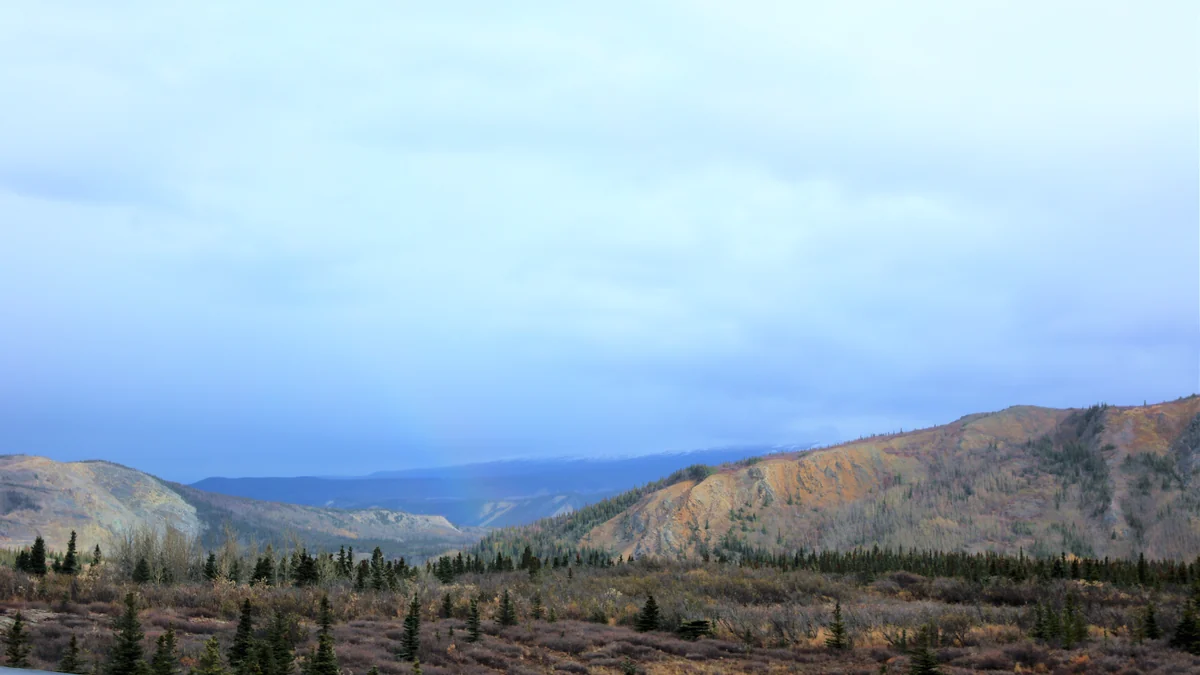
Where the trip requires the most caution
The NWS forecast discussion described different hazards along the corridor. Around Nenana, Fairbanks and North Pole, light freezing rain was possible before precipitation transitioned to snow. Continued rain and snow from Thursday night into Friday were expected to keep roads slippery.
Across higher parts of the Alaska Range and the southern Denali Borough, snowfall was expected to become more continuous. The bulletin cited advisories for the southern slopes of the range, with 4 to 12 inches of accumulation and gusts up to 35 mph. It also warned of strong winds through Alaska Range passes and reduced visibility from blowing snow along portions of the Parks and Richardson highways.
Those statements cover a large region. They do not establish identical conditions throughout the Anchorage–Denali–Fairbanks route. Travelers need to compare the forecast with road notices for the actual segment and departure time.
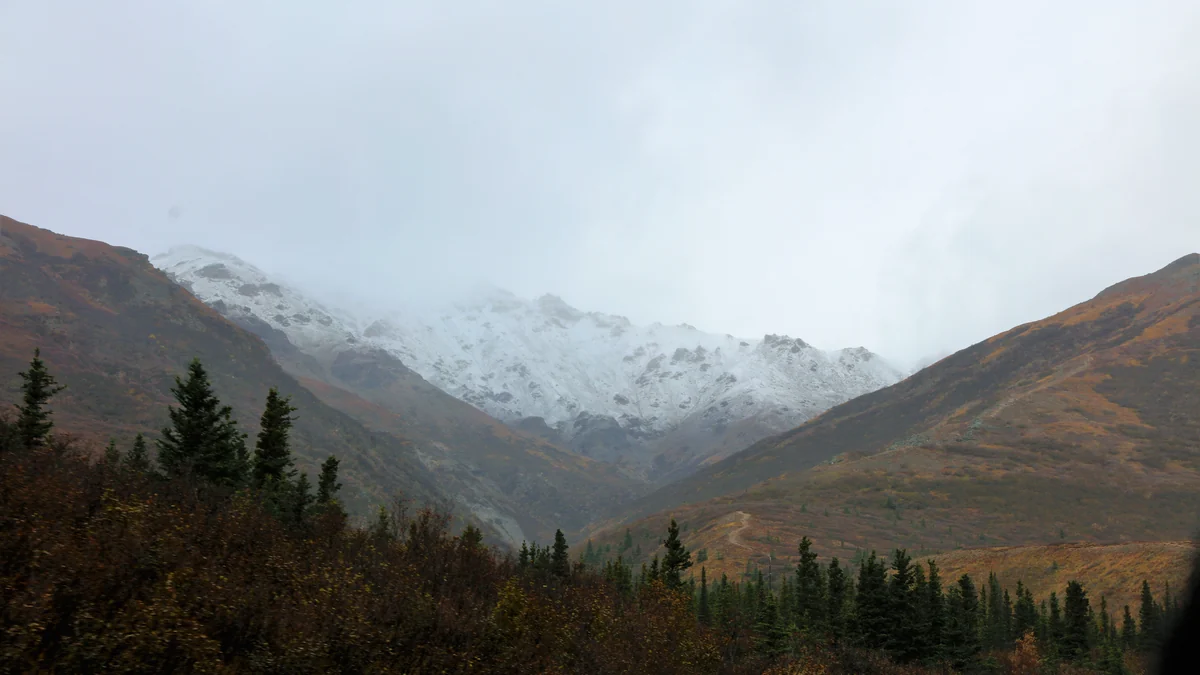
The Parks Highway and Denali Highway are different roads
The Parks Highway is the road link used along the Anchorage–Denali–Fairbanks corridor. The Denali Highway is a separate state road. Similar names can lead travelers to apply a notice about one road to the other.
The distinction becomes critical in winter. According to the Alaska DOT&PF winter guidance, the Denali Highway is among the major roads that generally receive no winter maintenance, normally from October through May. Dates can vary with weather patterns. The department strongly discourages travel on these roads because they may be impassable, with emergency services and travel assistance unavailable.
The Parks Highway is not included in that general list of roads without winter maintenance. That does not guarantee clear pavement, adequate visibility or uninterrupted passage during snow, ice and wind.
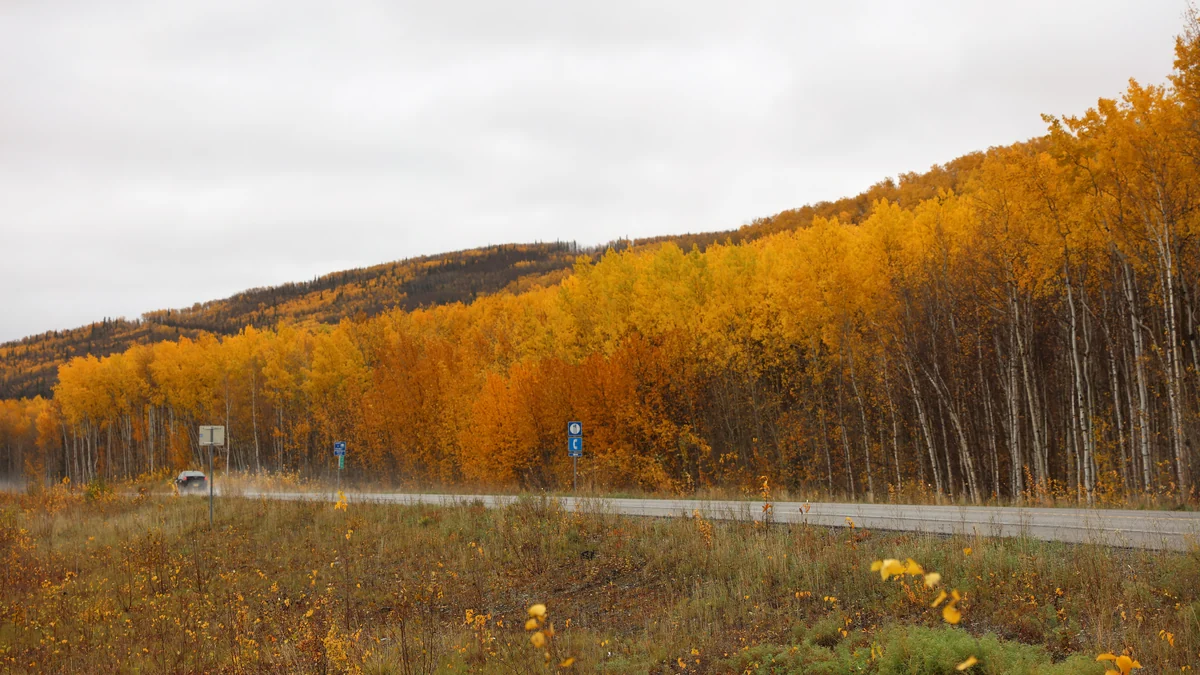
The park’s internal road is a third route
The Denali Park Road lies inside Denali National Park & Preserve and follows its own seasonal access rules. It should not be confused with either the Parks Highway or the Denali Highway.
On the National Park Service’s current conditions page, updated October 19, 2026, winter 2026–27 guidance says the park road is plowed to Park Headquarters at mile 3 for most of the winter. It typically opens to Mountain Vista at mile 13 only in mid-February.
Reaching Denali’s entrance from the Parks Highway therefore does not mean visitors can travel into the park as they would in summer. The NPS says its current-conditions information supersedes other trip-planning material when details conflict. Check the park map and alerts again on the day of the visit.
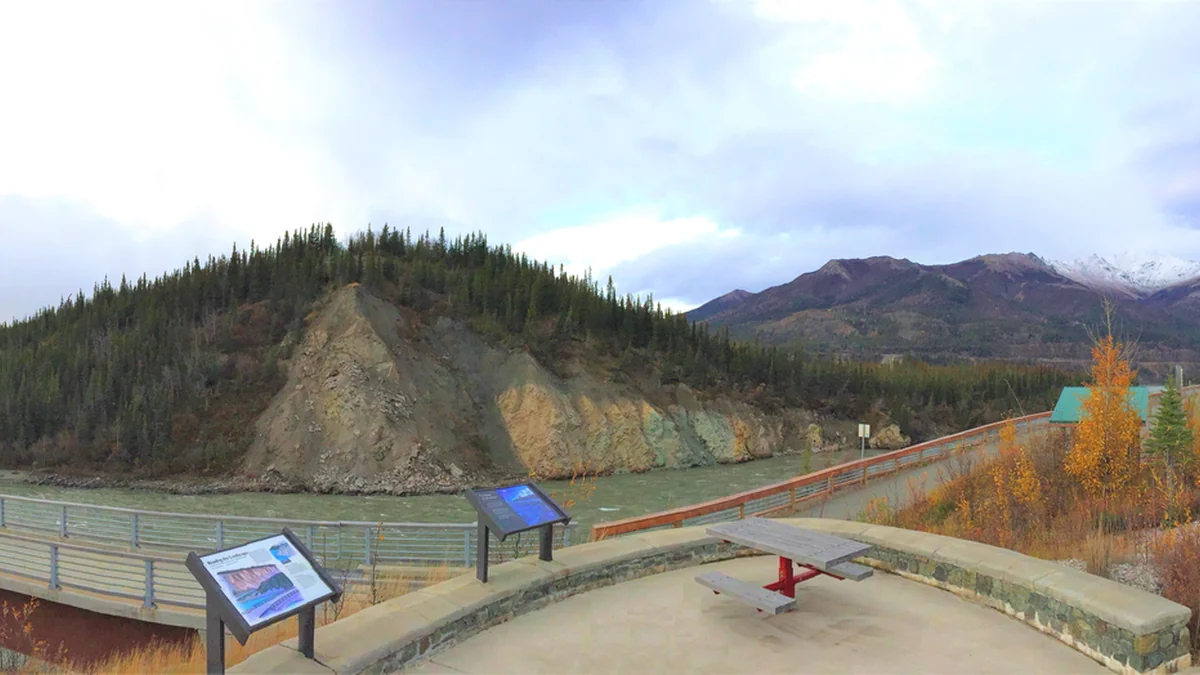
A pre-departure checking sequence
Start with the NWS highway snowfall forecasts. The page notes that white shading along an elevation profile represents the snow level, not necessarily forecast accumulation. Open the relevant forecast point to see expected amounts.
Next, review current notices on Alaska 511, which DOT&PF identifies as the location for urgent reports and road information. Search for every segment rather than only for “Denali.” A Parks Highway report, a Denali Highway warning and a Denali Park Road access limit concern three separate roads.
Finally, if the park is the destination, open the NPS conditions page. This sequence answers three different questions: what weather is expected, what is happening on the state highway and how far the park road is accessible. Conditions can change after publication, so this article cannot replace any of those checks.
Practical reasons to postpone
DOT&PF advises motorists to reduce speed for road and weather conditions, allow more stopping room, use headlights and watch for ice on bridges and overpasses. Drivers should remain at least 200 feet behind snow-removal equipment and never pass it on the right; traveling too close can create whiteout conditions.
Vehicles should be winter-ready, with tires, battery, heater, defroster, brakes, antifreeze, wipers and washer fluid checked. The department recommends carrying emergency provisions in case the vehicle becomes stranded and warns that cellular coverage is sporadic outside Anchorage and Fairbanks.
If the forecast calls for blowing snow, freezing rain or reduced visibility on the route, and Alaska 511 reports conditions beyond the vehicle’s capability or the driver’s experience, postponing is the prudent choice. DOT&PF itself recommends allowing ample time and waiting out adverse weather instead of feeling rushed to drive through it.
Discover Becoartes
Visit [Becoartes](https://becoartes.com/) at Rua Gonçalo Afonso, 99, Vila Madalena, São Paulo.
Becoartes - Beco do Batman
99 Gonçalo Afonso Street, Vila Madalena, São Paulo
Sources and credits
- Enrico Blasutto — CC BY-SA 4.0
- Enrico Blasutto — CC BY-SA 4.0
- Enrico Blasutto — CC BY-SA 4.0
- Enrico Blasutto — CC BY-SA 4.0
- NWS Anchorage — discussão meteorológica e alerta para Broad Pass
- NWS Anchorage — previsão de neve nas rodovias do Alasca
- Alaska DOT&PF — orientações oficiais para dirigir no inverno
- National Park Service — condições e acesso ao Denali em 2026