The streaming dispute is no longer just a race for subscribers. When a global platform announces more than $2 billion for Latin America between 2027 and 2030, with new Brazilian productions included, it is also competing for repertoire, memory and cultural circulation. Prime Video matters because it touches three points at once: big tech's appetite for local stories, Brazil's place within a Latin American strategy and the public question of how to regulate platforms that already function as cinema, TV, store, sports showcase and emotional archive.
Amazon's announcement does not arrive in isolation. It comes with a corporate argument against mandatory quotas for national content, a Brazilian slate that mixes true crime, music biographies, reality shows and drama, and a clear attempt to turn Prime Video into more than a catalog. For audiences, it may look like another batch of premieres. For culture, it is a sign of reorganization: whoever finances, distributes and recommends narratives also helps decide which stories gain scale.
The announcement that changes the scale of the conversation
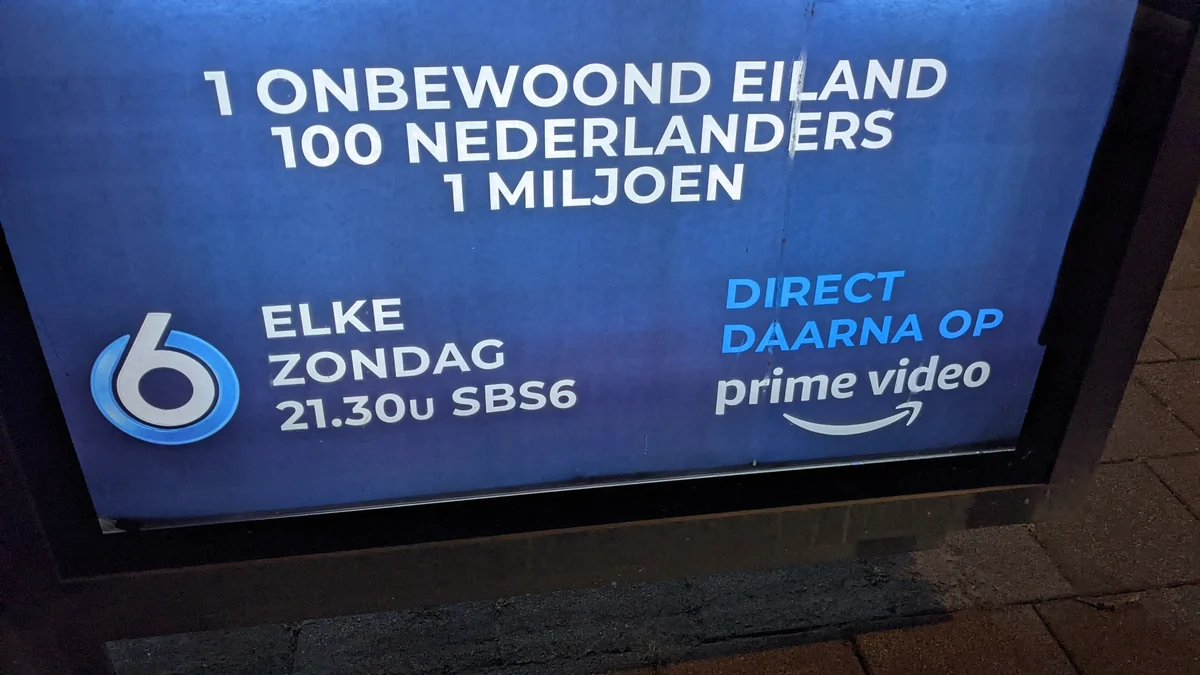
Amazon said Prime Video intends to invest more than $2 billion in Latin America between 2027 and 2030. According to the company, the plan covers original programming, acquired local content and live sports rights in Mexico, Brazil, Argentina, Colombia and Chile. The company also says it intends to more than double the number of local originals by 2030, with more than 25 titles planned for 2027 alone.
In Brazil, the announced list combines formats with strong popular recognition. It includes the second season of "Tremembé", documentary and biographical projects connected to music, such as productions about Marília Mendonça and Maiara & Maraisa, as well as true-crime works such as "Quem Matou PC Farias?" Folha also reported the arrival of a reality show led by Boninho, "Oi, Sumido!", based on the South Korean format "EXChange".
The financial figure draws attention, but the cultural detail lies in the composition of the package. The platform is not betting on a single prestige genre to compete at festivals, nor only on quick entertainment to fill a schedule. It is trying to occupy several fronts of Brazilian consumption: popular music, criminal memory, serialized drama, reality, sports and imported formats adapted to regional taste. That creates a deeper presence than a service that simply buys rights and makes titles available.
Brazil as a narrative laboratory
Brazil appears in this movement both as a consumer market and as a supplier of exportable stories. Amazon's institutional line is that local stories can become universal when they receive ambition and resources. A less romantic interpretation is possible: global platforms have realized that cultural difference has become a competitive advantage. In an environment where many catalogs look alike, a well-produced Brazilian narrative can work as identity, subscriber retention and an international product.
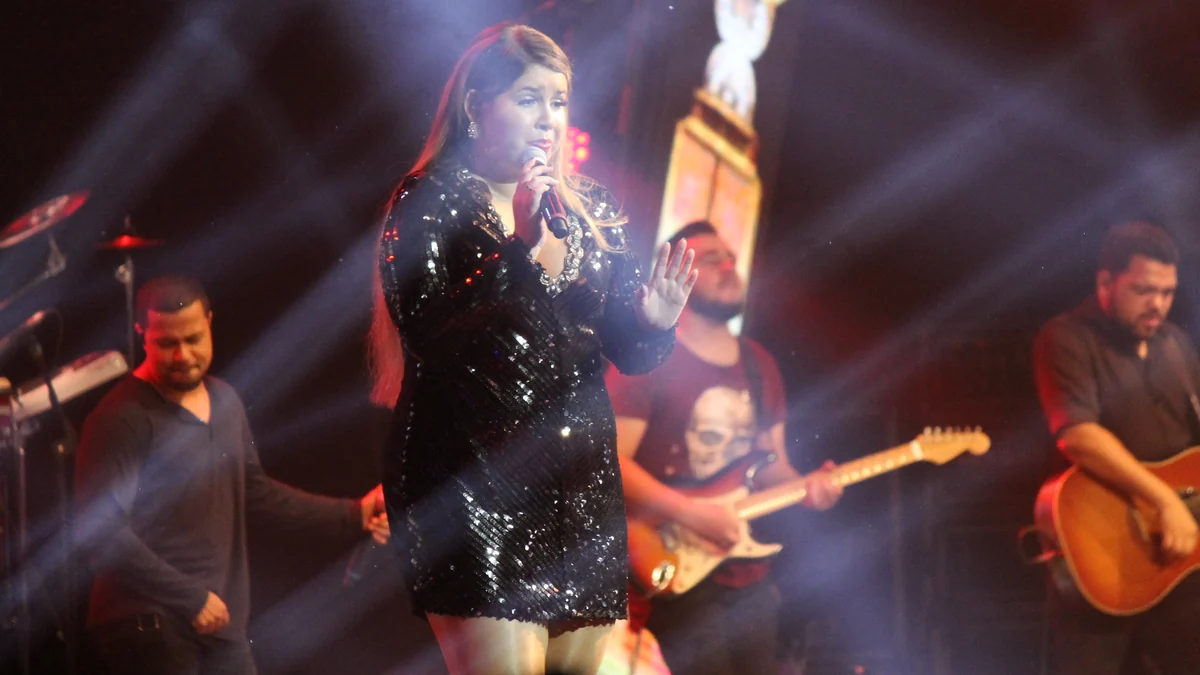
This reasoning helps explain the variety of titles. "Tremembé" explores the national fascination with high-profile crimes and the prison space as a moral theater. The series about Marília Mendonça touches collective grief, the sertanejo industry, female voice and popular ascent. The production about Maiara & Maraisa connects sertanejo to the market, but also to image-building, work and public intimacy. "Quem Matou PC Farias?" brings together documentary entertainment, political archive and the television memory of 1990s Brazil.
None of this is neutral. When a platform chooses to tell these stories, it also chooses frames. It can broaden the circulation of Brazilian themes, hire local crews and give visibility to talent. But it can also simplify complex conflicts to fit binge rhythm, turn social pain into serialized product and organize public memory according to engagement criteria.
Quotas and platform power
The debate over national content quotas in streaming appears as a decisive backdrop. In an interview with UOL, Javiera Balmaceda, an Amazon MGM Studios executive, argued that the Brazilian government would not need to worry about imposing quotas, saying the company already invests in local productions and sees value in the market. It is a predictable position for a global company: defend programming freedom while showing investment numbers as proof of commitment.
But the public question does not end with the existence of private money. Quotas, regulation and investment obligations are not only about the quantity of national productions available. They also concern regional diversity, intellectual property, the sustainability of independent producers, data transparency, creator compensation and the preservation of an audiovisual ecosystem that does not depend exclusively on one platform's strategy.
Foreign capital can be positive for technicians, actors, writers and producers. It can also raise production standards and open international circulation. The risk is concentrating the gateway. If a few companies control financing, distribution, algorithmic recommendation and the direct relationship with subscribers, national audiovisual production grows, but inside tracks defined outside it. A mature debate must hold both ideas at once: investment is welcome, dependence is a problem.
From streaming to entertainment ecosystem
Exame reported that Kelly Day, Prime Video's global vice president, described the platform as an entertainment ecosystem, not just streaming. That phrase summarizes the direction of the market. Prime Video does not want to be only the place where a person presses play. It wants to gather subscriptions, partner channels, live sports, rentals, purchases, advertising and content discovery inside the same infrastructure.
UOL also highlighted the reading of Prime Video as a kind of entertainment retail. That logic is central to understanding Amazon. The company does not operate only through the catalog; it operates through convenience, payment, recommendation and bundling. Instead of disputing only which series will be watched on Sunday night, it disputes which environment will be used to choose, subscribe, buy and discuss entertainment.
For Brazilian culture, this changes the game. A work no longer circulates only through movie theaters, broadcasters, festivals or separate platforms. It enters a broader commercial flow, where the same interface can offer a documentary about a singer, an NBA game, an extra channel and a rented film. The experience is practical for users, but it also makes it harder to separate cultural curation from consumption architecture.
True crime, music and popular memory
The Brazilian selection announced by Prime Video shows a strong bet on recognizable narratives. True crime and music biographies are genres that carry a ready audience because they begin with names, cases and affections already installed in public life. The challenge is to turn recognition into elaboration, not merely exploitation.
In true crime, Brazil has abundant and sensitive material. High-profile cases cross journalism, courts, television and everyday conversation. By revisiting them, a series can contextualize inequalities, violence and narrative disputes. It can also reinforce voyeurism, reduce real people to characters and sell shock as depth. The difference lies in reporting, point of view and formal responsibility.
In music biographies, the tension is different. Marília Mendonça, for example, is not just a successful character. Her work affected sertanejo, female listening and the idea of romantic suffering sung from another position. Maiara & Maraisa also represent labor, exposure, body, sisterhood and market. When these trajectories enter streaming, they enter as audiovisual product, but also as an archive of a popular culture that is still being disputed in real time.
What this means for São Paulo
São Paulo appears in this discussion in a less obvious but very concrete way. The city concentrates production companies, technical professionals, theaters, festivals, advertising, cultural press and an important part of market decisions. Even when a story is born in Goiás, in the countryside or in another Latin American country, its circulation often passes through São Paulo: press event, campaign, editing, post-production, debate, premiere, criticism and business.
At the same time, São Paulo is a place where platform culture meets very different audiences. The same catalog speaks to people who live near street cinemas, young viewers who watch everything on their phones during transit, fan communities, independent artists and producers who see platforms as work opportunities. The city is not only a showcase; it is a testing ground for how digital entertainment becomes an urban habit.
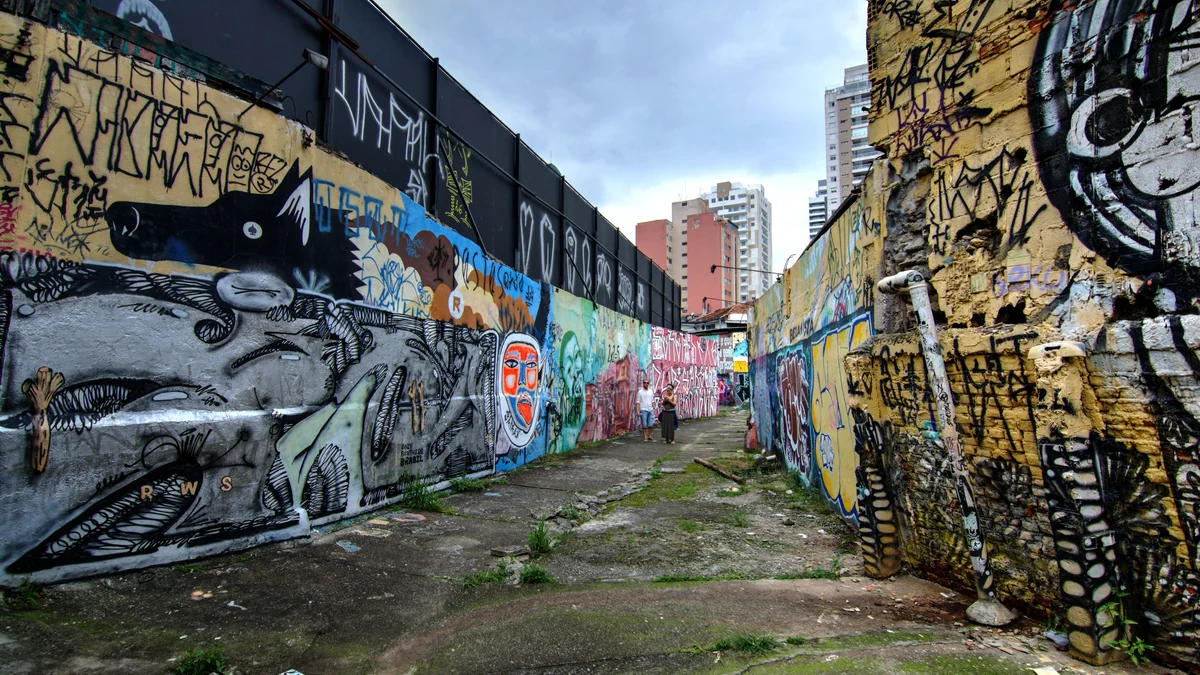
This matters for cultural neighborhoods such as Vila Madalena. Streaming seems domestic, but its effects cross streets, bars, screenings, debates, murals and gatherings. A series can reignite conversation about Brazilian music; a documentary can bring people to a theater for a discussion screening; a biography can transform the repertoire of parties, karaoke and conversation circles.
The question left for the public
Prime Video's investment in Latin America confirms that Brazil is not on the symbolic edge of streaming. It is at the center of a dispute over stories that can travel without losing their accent. The good news is that there is space, money and interest in local narratives. The uncomfortable question is who defines which narratives deserve that treatment and under what conditions they reach the public.
For viewers, it is worth looking beyond the premiere list. What is at stake is the way Brazilian culture will be financed, organized and remembered in the next decade. A platform can broaden horizons, but it does not replace cultural policy, diverse circuits, independent theaters, criticism, festivals and autonomous production.
The best answer may be to combine screens and city. Watch, discuss, compare, leave home, occupy cinemas, circulate through creative neighborhoods and keep curiosity alive. In São Paulo, where digital culture mixes with in-person encounter, this conversation naturally passes through places such as Vila Madalena and through Becoartes' view of what is born on screen, reaches the street and returns as shared memory.
Read With A Critical Eye
Follow Becoartes for analysis of cinema, music, streaming and urban culture without separating entertainment from context.
Becoartes - Beco do Batman
99 Gonçalo Afonso Street, Vila Madalena, São Paulo
Sources and credits
- Donald Trung Quoc Don (Chữ Hán: 徵國單) - Wikimedia Commons - © CC BY-SA 4.0 International.(Want to use this image?)Original publication 📤: --Donald Trung 『徵國單』 (No Fake News 💬) (WikiProject Numismatics 💴) (Articles 📚) 08:49, 22 April 2022 (UTC) — CC BY-SA 4.0
- Jens Kreuter / Unsplash — Unsplash License
- Cipriano1976 — CC BY-SA 4.0
- Slyronit — CC BY-SA 4.0
- About Amazon Brasil
- UOL Splash
- Folha de S.Paulo
- Exame
- Reuters via Investing.com