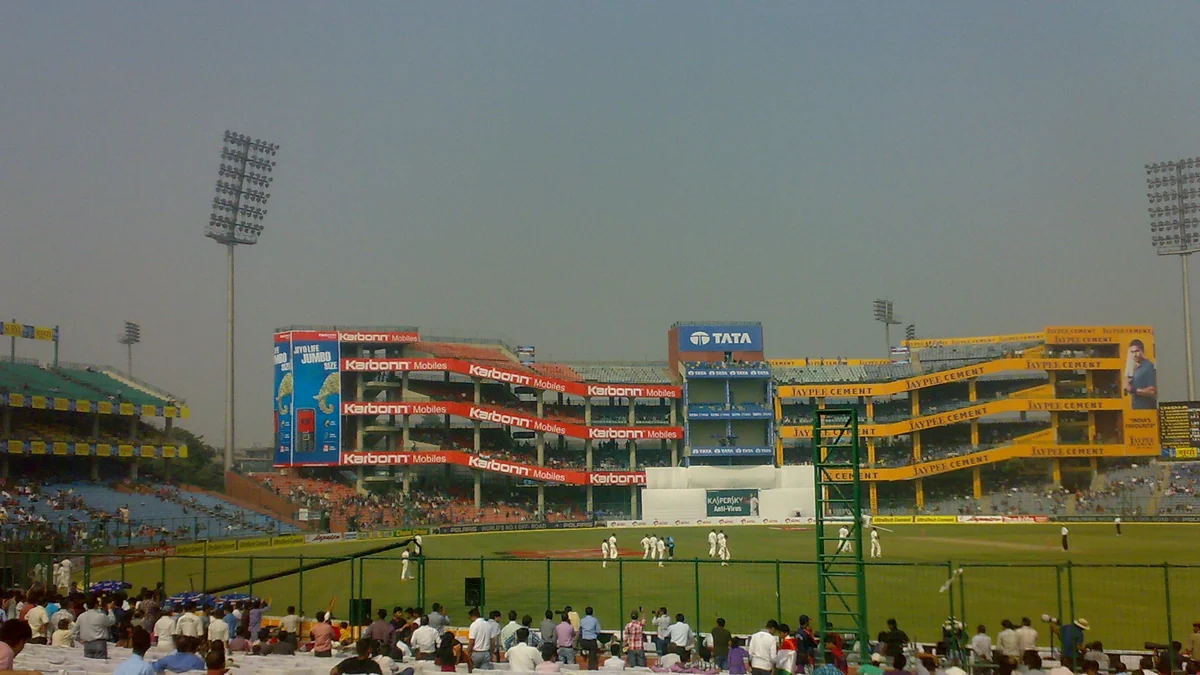
India are listed as the visitors in Delhi because home status is not determined by the country in which the stadium stands. In this T20I series, the Afghanistan Cricket Board (ACB) is the formal host: Afghanistan are staging home fixtures against India even though all three matches are being played at Arun Jaitley Stadium in India’s own capital.
The apparent contradiction disappears once three ideas are separated: who holds the administrative hosting rights, where the match physically takes place and which team is likely to receive more crowd support. Those factors can align, but they do not have to. Afghanistan provide a particularly clear example because the national side has used grounds outside the country as adopted sporting homes.
What “Afghanistan v India” means on the scorecard
In a match listing, the host team commonly appears first. “Afghanistan v India” therefore identifies the formal host, not necessarily the stadium’s country. The ICC announcement of the series explicitly said Afghanistan would host India in three T20Is at Arun Jaitley Stadium from 13 to 17 September 2026.
Delhi is consequently the physical venue for an Afghan home series. India, despite playing inside their own borders, have the administrative role of visitors. Using an adopted venue does not make the fixture neutral: a neutral match is a different classification in which neither side holds home status.
What is happening in the series
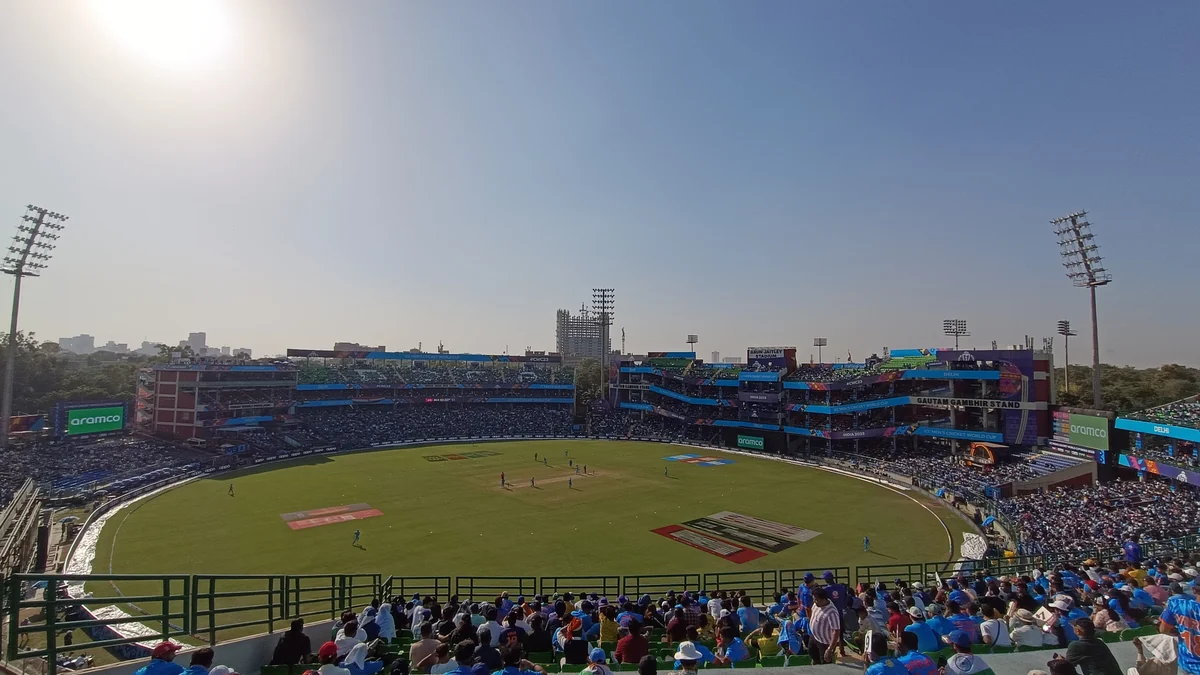
India won the first T20I on 13 September by seven wickets. According to the ICC report on the opener, Afghanistan made 156/8 before Abhishek Sharma struck 82 from 32 balls and Ishan Kishan added 42 in the chase. Arshdeep Singh took 3/19, while Azmatullah Omarzai led Afghanistan’s scoring with 64.
As of this article’s date, 15 September 2026, the second match is scheduled for the same day and the third for 17 September. Sports schedules can change, so dates and further updates should be checked through the official links. The opening result changes the competitive position of the series, but not its hosting arrangement: Afghanistan remain the formal hosts of all three games.
Who represents the host side
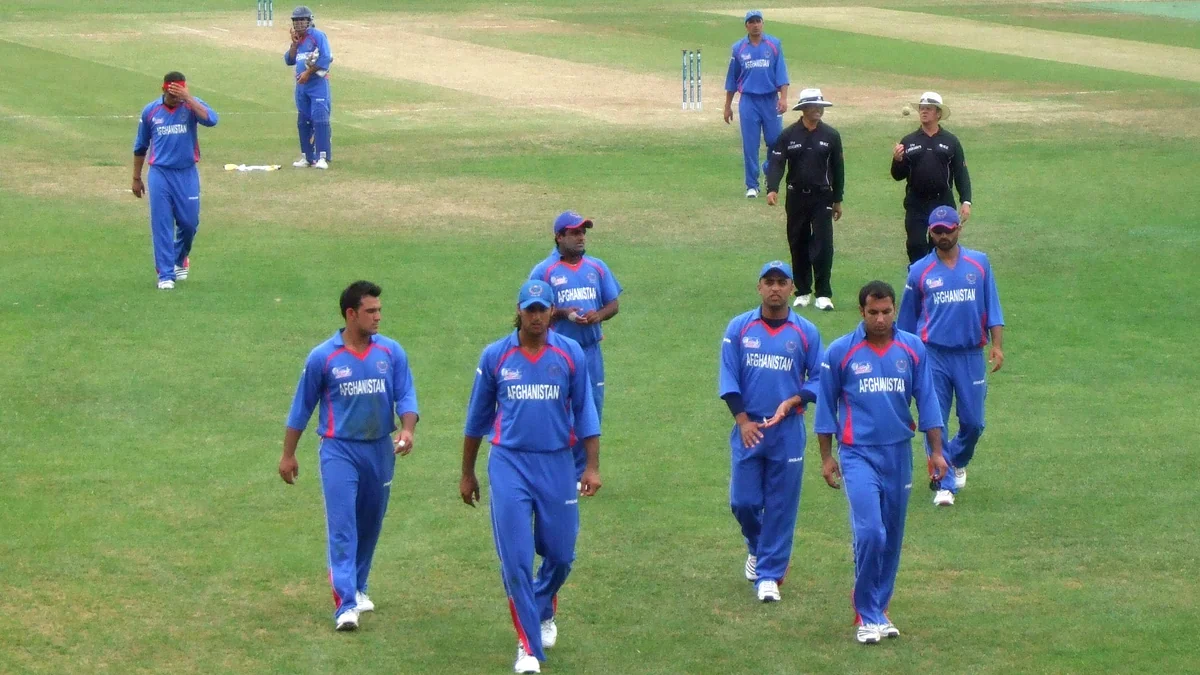
The ACB confirmed the squad and schedule, naming Ibrahim Zadran as captain for his first assignment as Afghanistan’s permanent T20I skipper. The announced squad also includes Rahmanullah Gurbaz, Azmatullah Omarzai, Mohammad Nabi, Rashid Khan, Noor Ahmad and Naveen-ul-Haq, among others.
The ACB’s own wording clarifies the administrative hierarchy. It describes Afghanistan as hosting a major cricketing nation for the first time. India are the invited opponents in this bilateral series. The stadium belongs to Indian geography, while the series belongs to Afghanistan’s home programme.
A timeline of adopted homes
The available records show that this arrangement predates the current series. In the United Arab Emirates, Sharjah Cricket Stadium was granted to Afghanistan as a “home ground” for ODIs and first-class cricket. The account published by the ICC also mentions access to training facilities in Sharjah and Al Dhaid.
The structure later moved to India. An ICC report about the Intercontinental Cup says Greater Noida Cricket Stadium became regarded as the home venue for Afghanistan matches following an agreement between the Board of Control for Cricket in India (BCCI) and the ACB. Greater Noida is on the outskirts of Delhi in Uttar Pradesh.
In 2026, Arun Jaitley Stadium in Delhi fills that role for the series against India. The sequence supported by the supplied sources is therefore Sharjah, Greater Noida and Arun Jaitley Stadium. It does not describe one permanent, exclusive base; it shows different venues serving as home grounds under particular agreements and competitions.
Home status does not guarantee a home crowd
Hosting establishes the formal position in the series, not an automatic majority in the stands. The sources confirm the venue and sporting responsibility but offer no breakdown of spectators by allegiance. The atmosphere should therefore not be used to redefine which team holds the home designation.
It is equally useful to distinguish “home advantage” from “home status.” The former may involve sporting familiarity and support; the latter is a verifiable administrative condition. In Delhi, India may feel like the home team to many spectators while remaining the visitors on the official series record.
How to read the next fixtures
When Afghanistan appear first on the scorecard, read that order as an indication of the formal host. Then check the stadium to identify the physical venue. Finally, treat the balance of crowd support as a separate question requiring its own evidence.
This prevents the mistaken conclusion that the schedule is wrong or that the match must be neutral. It is an Afghanistan home series played at an adopted home — this time against the country in which that venue is located.
Cricket is also culture in motion
After following stories that cross borders, visit Becoartes at Rua Gonçalo Afonso, 99, Vila Madalena. Check the official website before visiting.
Becoartes - Beco do Batman
99 Gonçalo Afonso Street, Vila Madalena, São Paulo
Sources and credits
- Vineetmbbs — CC BY-SA 3.0
- Paramgoel — CC BY-SA 4.0
- Harrias — CC BY-SA 3.0
- ICC — Délhi recebe a série T20I com mando do Afeganistão
- ICC — vitória indiana no primeiro T20I e agenda da série
- Afghanistan Cricket Board — elenco e calendário dos três jogos em Délhi
- ICC — acordo que transformou Greater Noida em casa do Afeganistão
- ICC — Sharjah como casa anterior do críquete afegão