The 2026 Azerbaijan Grand Prix takes place in Baku from September 24 to 26, with Formula 1 and Formula 2 activity during the same weekend. To avoid confusing practice, qualifying, Sprint and race results, first identify the category and then check the time setting selected on the official page. This guide organizes those distinctions and points to confirmed updates and results.
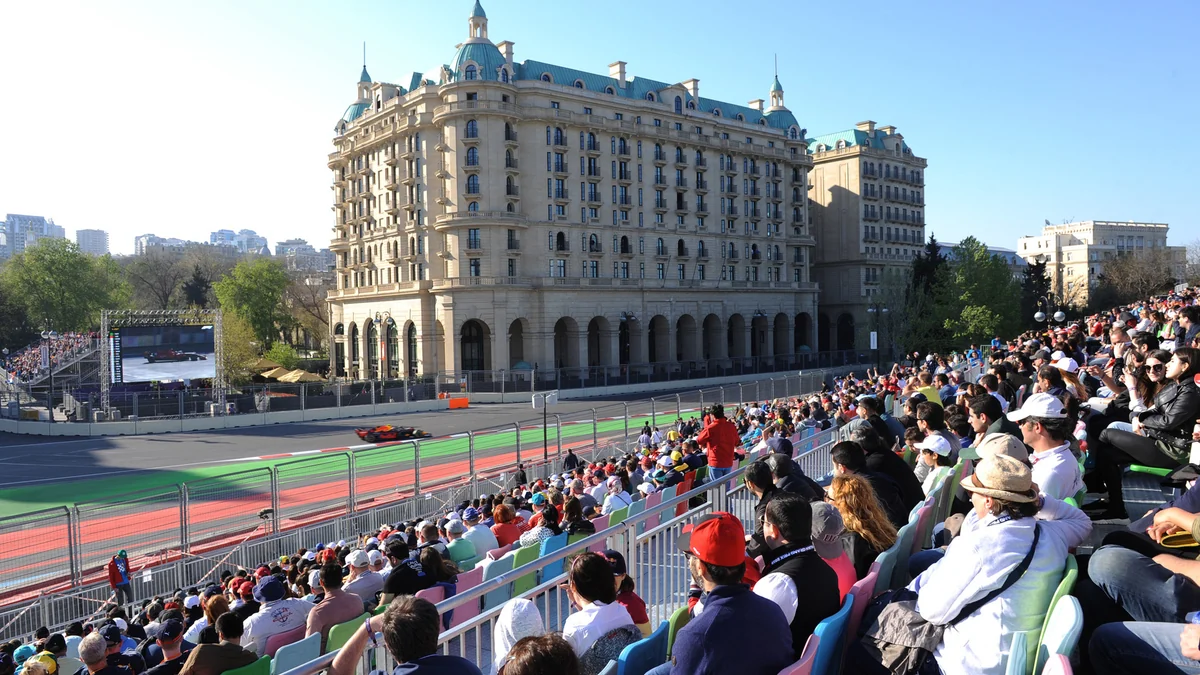
The calendar places F1 and F2 at the same event
The official Formula 1 calendar lists Azerbaijan as round 15 of the season, between Spain and Bahrain, from September 24 to 26. The FIA championship page also records the Baku Grand Prix on the 26th and brings together official documents, event information and timing details.
In Formula 2, Baku is round 12 of 14. The official F2 calendar states that every 2026 round supports a Formula 1 World Championship event. This explains why sessions from both categories appear within one weekend schedule, but their formats and results are not interchangeable.
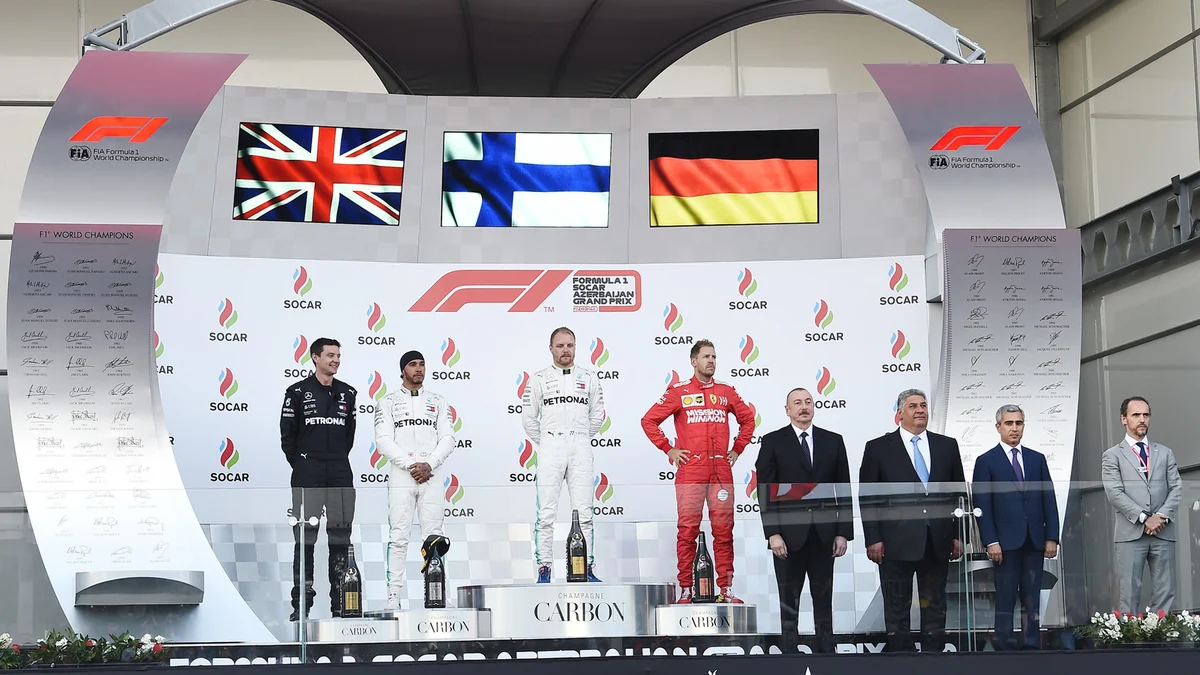
Checking times without mixing up time zones
The Azerbaijan Grand Prix page on the F1 website offers “My Time” and “Track Time” views. Before recording a time, check which option is active: “My Time” is the user-adjusted display, while “Track Time” is the circuit’s local reference. Because the view can vary with the user’s settings, avoid copying an isolated time without noting the selected mode.
The F1 schedule places Practice 1 and Practice 2 on September 24, followed by Practice 3 and qualifying on September 25 and the race on September 26. Recheck the official page on the day of each session because schedules and operating conditions may change.
The official Baku City Circuit website has a schedule section and says its app provides race updates. It is a useful second reference for local notices; for sporting documents and classifications, also use the F1, F2 and FIA pages.
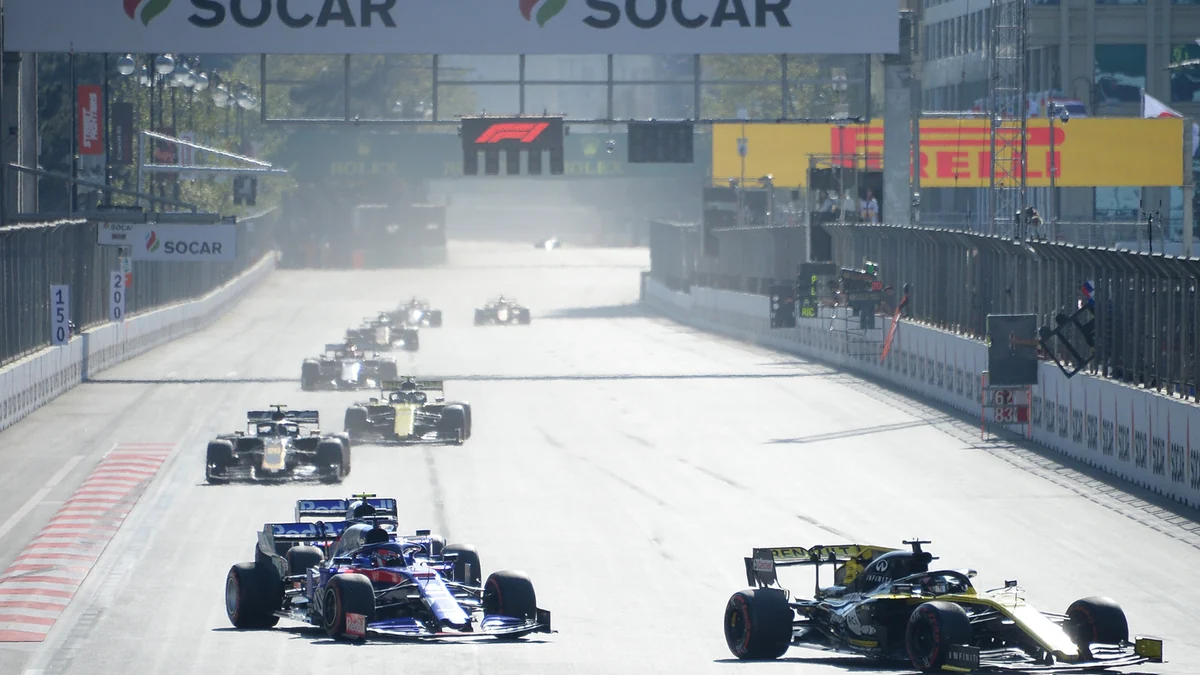
Which sessions belong to Formula 1
In F1, “Practice 1,” “Practice 2” and “Practice 3” are the three free-practice sessions. Their lap times do not constitute the final grid. “Qualifying” establishes the starting order, subject to later official documents and decisions. “Race” is the main Grand Prix.
In the September 25 qualifying classification published by F1, George Russell is first with a 1:42.526 lap, followed by Charles Leclerc, Oscar Piastri, Isack Hadjar and Lando Norris. To establish the actual starting order, do not rely only on qualifying: consult the “Official Grid” page and FIA documents, which can reflect subsequent changes.
The F1 event page records Russell as the Baku race winner, one tenth ahead of Max Verstappen. Check the full results panel for every position, lap information, retirements and points instead of inferring them from related headlines or videos.
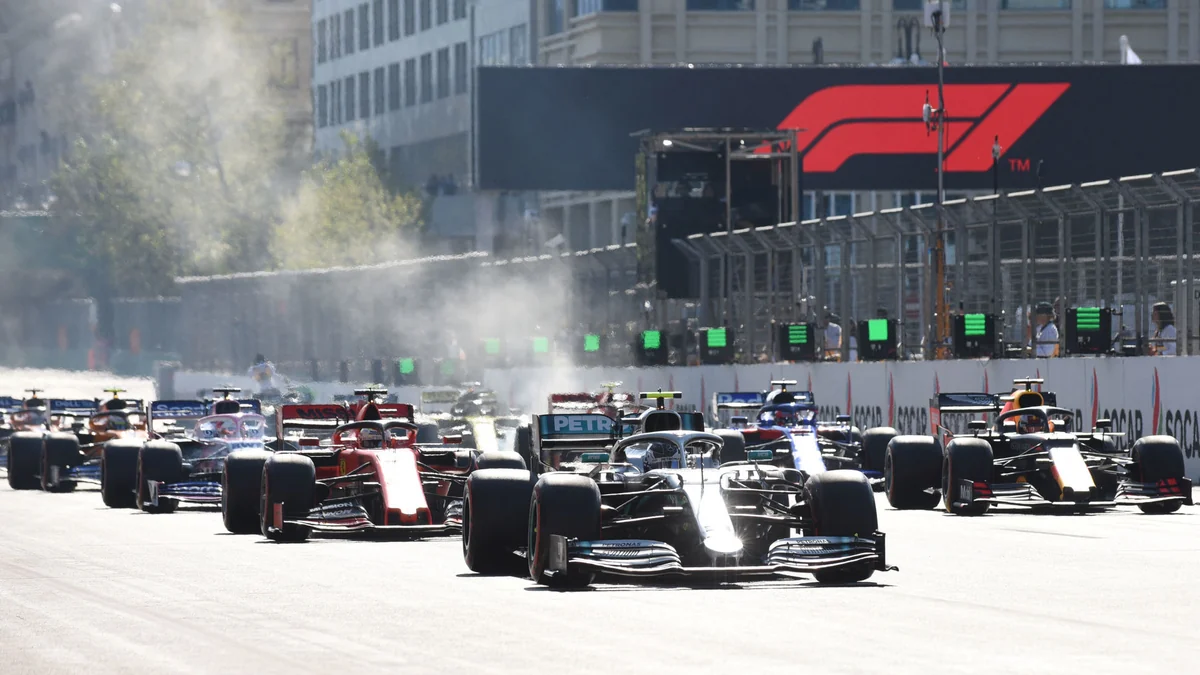
Distinguishing the Formula 2 races
F2 does not use the names of F1 practice sessions for its race results. For Baku, its calendar lists a Sprint Race and, unusually in the consulted listing, “Feature Race 1” and “Feature Race 2.” Since those are the labels displayed by the official source, retain them when searching rather than assuming either belongs to F1.
The calendar names Dino Beganovic as the Sprint Race winner, Alex Dunne as the Feature Race 1 winner and Rafael Câmara as the Feature Race 2 winner. For complete positions, times and championship standings, use Formula 2’s official results section. The abbreviation “D. Beganovic” refers to Dino Beganovic and should not be confused with another driver.
The round labels provide another useful check: “Round 12 — Baku” belongs to F2, while “Round 15 — Azerbaijan” belongs to F1. Sharing a date and circuit does not create a common classification.
Where to verify the grid, results and points
For a quick check, follow a consistent order: choose F1 or F2; confirm the date; identify the session; note whether the time uses “My Time” or “Track Time”; and only then open the grid or result. In F1, the event page includes reports, results, highlights and lap-by-lap coverage. The FIA adds official documents that help verify sporting decisions.
For F2, open the Baku round through the calendar and use the results area for classifications and points. Do not use the Sprint winner as the Feature Race result, and do not transfer the F1 qualifying order directly to the grid without checking the official publication.
According to the F1 event page, the Baku street circuit is 6.003 km long, the Grand Prix covers 51 laps and its race distance is 306.049 km. The course combines a long waterfront straight with a narrow section through the old city. That context helps identify event photographs and maps, but it does not replace official timing pages.
A reliable way to follow Baku
In short, September 24 and 25 contain F1 practice and qualifying, while the race is on September 26; F2 forms part of the same weekend but maintains separate results. Keep the official pages open and refresh them before every session. Any change can then be checked at its responsible source with the category, date and time setting visible.
If a visit to São Paulo also includes urban art, Becoartes is at Rua Gonçalo Afonso, 99, Vila Madalena. The address can be confirmed on the official Becoartes website.
Becoartes in São Paulo
Learn about the project and confirm its address at Rua Gonçalo Afonso, 99, Vila Madalena, on the official website.
Becoartes - Beco do Batman
99 Gonçalo Afonso Street, Vila Madalena, São Paulo
Sources and credits
- Press Service of the President of the Republic of Azerbaijan — CC BY 4.0
- Press Service of the President of the Republic of Azerbaijan — CC BY 4.0
- Press Service of the President of the Republic of Azerbaijan — CC BY 4.0
- Press Service of the President of the Republic of Azerbaijan — CC BY 4.0
- Formula 1 — página candidata do GP do Azerbaijão 2026
- Formula 1 — calendário oficial candidato da temporada 2026
- FIA — Campeonato Mundial de Fórmula 1
- FIA Formula 2 — calendário oficial
- Baku City Circuit — site oficial do circuito