Following the World Athletics Ultimate Championships requires attention to three different pieces of information: each event’s result, possible advancement between rounds and any team standings. They are not interchangeable. The official page identifies the 2026 champions, but the publicly available extract does not show semifinal tables or team standings. To avoid turning an assumption into a rule, the safe approach is to check the event result and, whenever the format or scoring is unclear, consult the competition-specific technical regulations.
What the championship page confirms
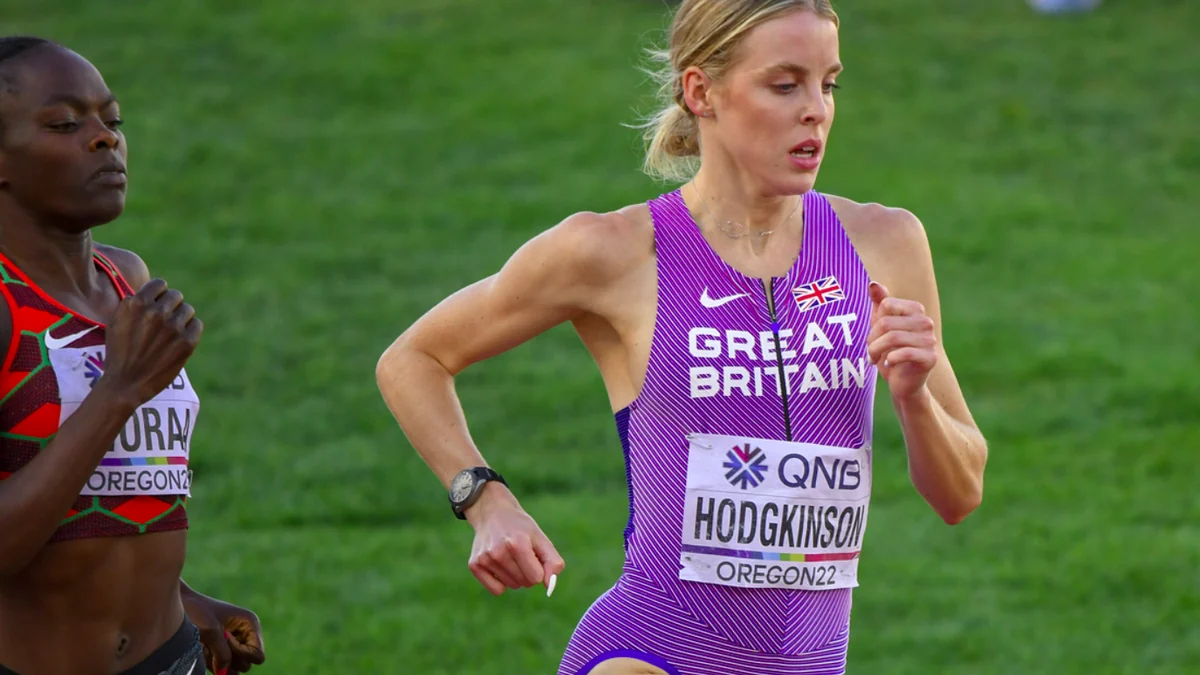
The official World Athletics Ultimate Championships page gathers highlights from three days, identified as 11, 12 and 13 September 2026, and lists champions with their marks. Results shown include Melissa Jefferson-Wooden in the 100m, with 10.62, and 200m, with 21.47; Kenny Bednarek in the 100m, with 9.85, and 200m, with 19.52; Audrey Werro in the 800m, with 1:55.88; and Josh Kerr in the 1500m, with 3:29.35.
The same list includes field events and relays. Mondo Duplantis appears in the pole vault with 6.20m; Saly Sarr in the triple jump with 15.06m; and the United States in the mixed 4x400m and mixed 4x100m relays. These entries identify the winner and performance in the event. On their own, however, they do not explain earlier rounds or establish the existence, order or balance of a team contest.
Semifinal, final and title are not the same thing
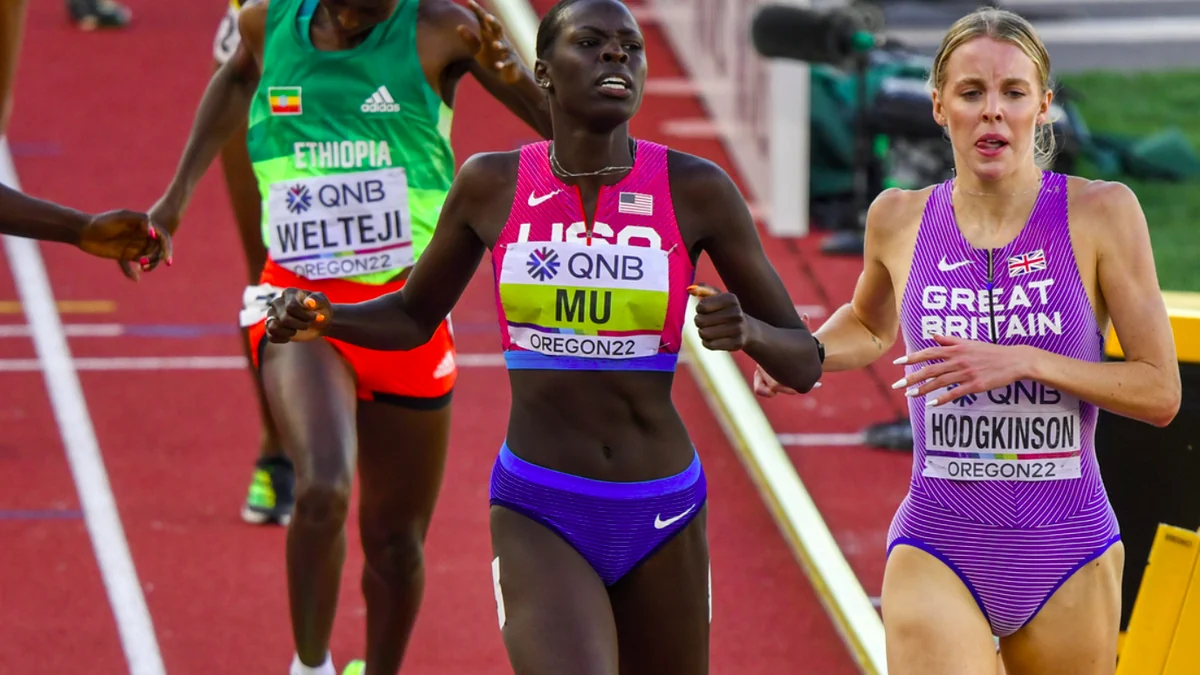
When reading any result, the first task is to note the round label. A semifinal placing describes that race; it should not automatically be reported as the athlete’s final championship position. Likewise, winning a heat or recording the fastest time in one stage does not, by itself, equal the event title.
The supplied material does not state how many heats or semifinals each discipline had, how many athletes advanced or which tie-breaking criteria applied. It is therefore unsafe to create a general formula. These elements may vary by event and should be checked in the official result table and the regulations applying to the competition.

Where to check advancement, ties and field events
World Athletics’ rules and documents section lists “C3.1 Ultimate Championship Technical Regulations”, modified on 20 August 2026, in English and French. This is the designated document for confirming the championship’s specific structure. The same page provides the “Competition Rules & Technical Rules”, dated 1 July 2026, also available in Spanish.
Before stating who advanced, look for round abbreviations and qualification indicators in the official result. For jumps and throws, consult the full series of attempts, not only the best mark displayed in the champions panel. For ties or disciplinary incidents, the published decision prevails over an inference drawn from broadcast images. Documents and results can be updated, so always verify them through the official link.
How to handle team standings
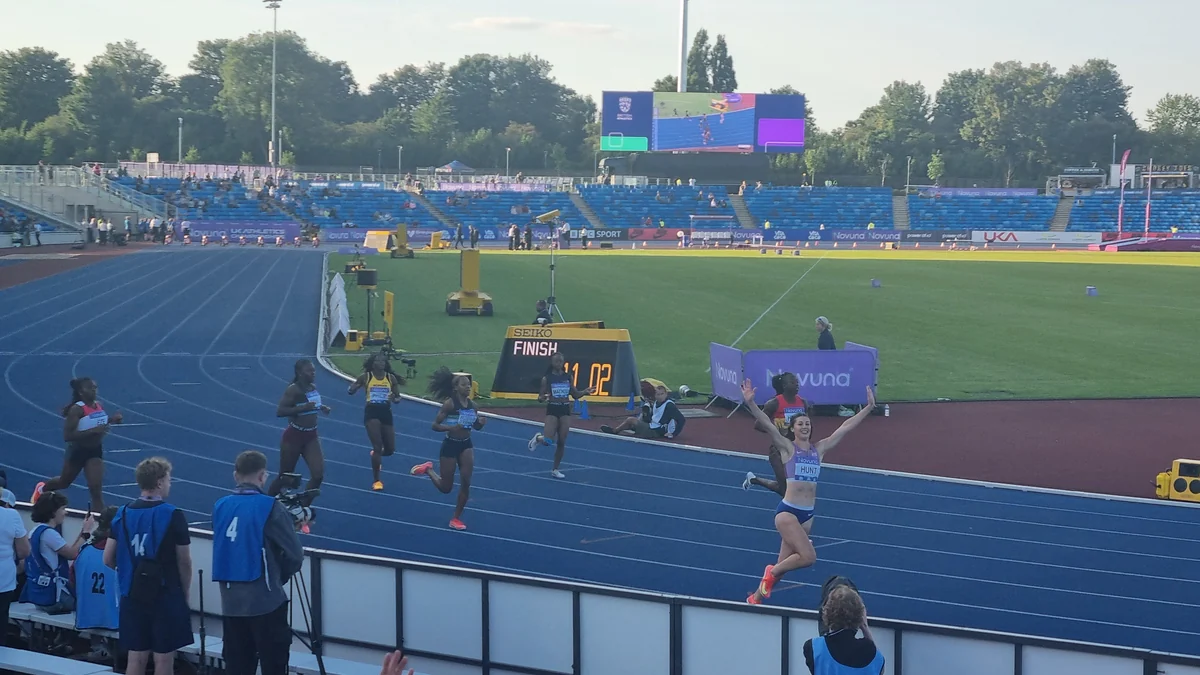
Medals, victories or performances should not be converted into points without an explicit scoring table. The championship-page extract available for this article shows no points scale, national-team total, discarded result or team tie-break rule. Any externally produced sum would therefore be an unofficial table, not the official standings.
If a team table is published, read its heading first: it should identify the competitive unit, counted events and ordering criterion. Then check whether disqualifications or revisions have already been incorporated. An individual result answers who won a discipline; team scoring, when established and published, answers how performances were converted into a team position.
Event result, ranking and record
Another important distinction concerns different statistical systems. The World Rankings page showed Melissa Jefferson-Wooden leading the women’s 100m on 15 September 2026 with 1,451 points, followed by Julien Alfred with 1,415. Those are world-ranking points presented by the governing body; they must not be reused as Ultimate Championships team points.
The women’s 100m all-time toplist arranges performances by mark, wind, athlete, position, venue and date. Florence Griffith Joyner’s 10.49 from 1988 appears first. Jefferson-Wooden’s 10.62 on the championship page, by contrast, is the result of that contest. A victory can be official without being a record, while a historic performance remains part of a separate table.
A practical route through the data
Start with the competition page to identify event, round, placing and performance. When rounds exist, follow each one separately through to the final. For questions about qualifiers, valid attempts, ties or team scoring, open the C3.1 regulations and the current technical documentation. Use rankings only to place an athlete’s accumulated standing in context and historical lists to compare performances.
This method prevents three common errors: calling a semifinalist a finalist, turning a time or distance into team points, and announcing a victory as a record without checking the relevant table. The appropriate official source depends on the question — result, rule, ranking or historical mark — and information subject to revision should be checked again directly with World Athletics.
Continue the conversation at Becoartes
For conversations about sport and culture in São Paulo, Becoartes is at Rua Gonçalo Afonso, 99, Vila Madalena. Confirm information on the [official website](https://becoartes.com/).
Becoartes - Beco do Batman
99 Gonçalo Afonso Street, Vila Madalena, São Paulo
Sources and credits
- Erik van Leeuwen, attribution: Erik van Leeuwen (bron: Wikipedia). — CC BY-SA 4.0
- Erik van Leeuwen, attribution: Erik van Leeuwen (bron: Wikipedia). — CC BY-SA 4.0
- Random photos 1989 — CC BY-SA 4.0
- Bearas — CC BY-SA 4.0
- World Athletics — Ultimate Championship
- World Athletics — regras técnicas e documentos oficiais
- World Athletics — rankings mundiais
- World Athletics — recordes e melhores marcas