India vs Japan ended quickly because Japan were bowled out for 57 runs and India reached 58 while losing only two batters, all within five overs. Put simply, India needed to pass 57, reached the target in 30 valid balls and still had eight wickets available. The result shows emphatic control with both ball and bat.
The match was played on 17 September 2026; the ICC report detailing the result was published on the 18th. That distinction avoids confusing the match date with the publication date. Below, each scorecard number becomes a key to following other T20 games.
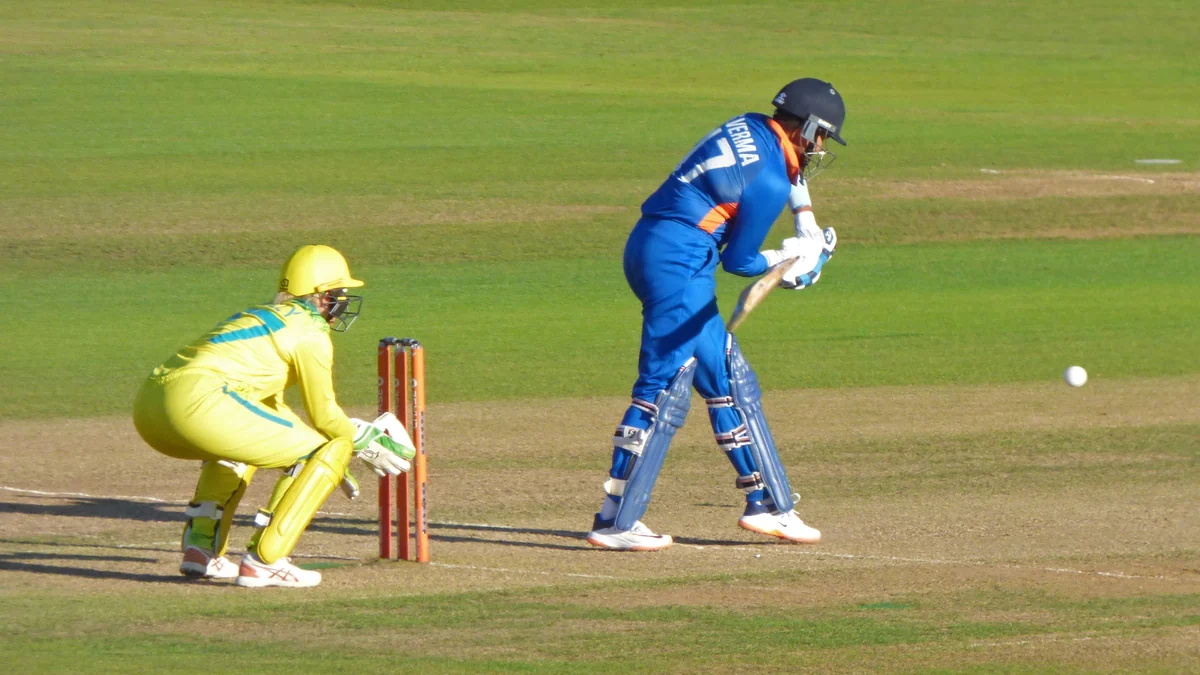
What 57 and 58/2 mean
Japan batted first and made 57 before losing all ten wickets. Being “all out” means the innings ended because the side could no longer maintain a valid batting pair. Ayaka Kato-Stafford led Japan with 25 runs after an opening partnership of 24.
In reply, India made 58/2: 58 runs for two wickets lost. Because the target was to move beyond 57, the 58th run ended the chase immediately; India did not need to complete all the available overs. The ICC recorded an eight-wicket win and India’s passage to the semi-final.
“Won by eight wickets” describes the chasing side’s remaining resource. An innings has ten wickets available; if only two fell, eight remained. It does not mean India took eight wickets in the final play.
Five overs are only 30 valid balls
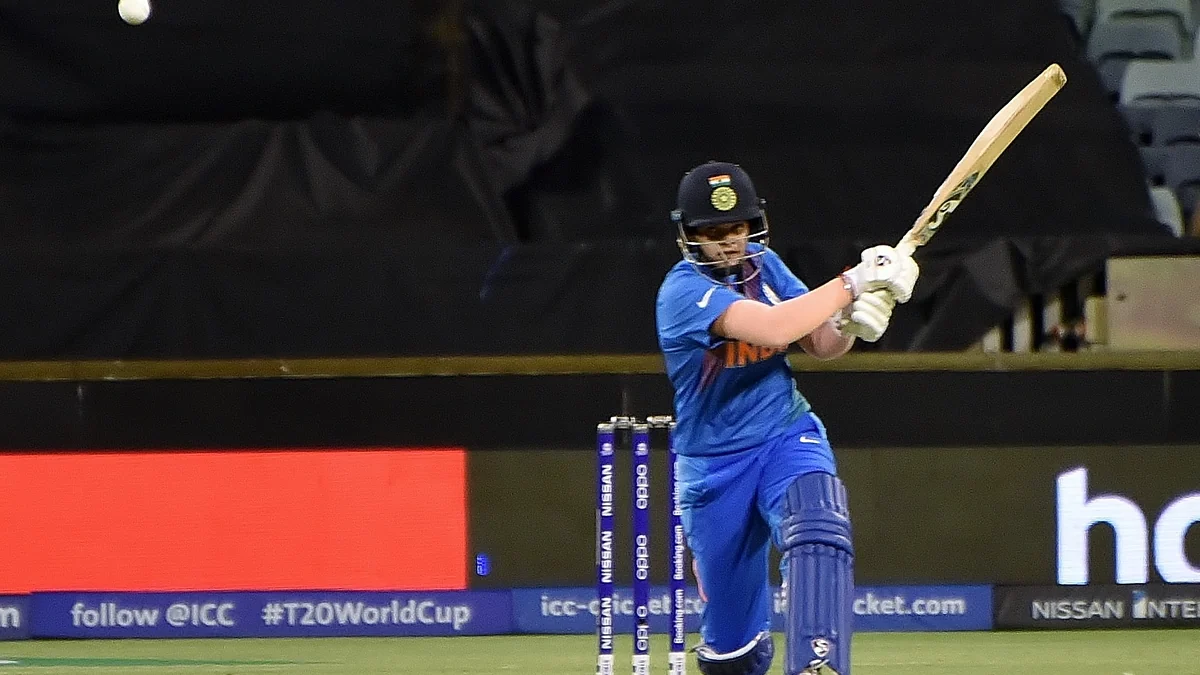
Under MCC Law 17, an over contains six valid balls. Five overs therefore equal 30 valid balls. Wides and no-balls, among other exceptions specified by the law, do not count toward that total, so an over can involve more than six physical deliveries.
India’s scoring rate was 11.6 runs per over: 58 divided by five. This number measures the pace of an innings. Japan needed its entire innings to make 57, while India scored one more run in a fraction of the time. That combination — a low target, a short chase and eight wickets preserved — reveals the true scale of the advantage.
In scorecards showing an incomplete over, the figure after the dot counts balls rather than a decimal fraction: 4.3 overs means four overs and three valid balls. Here, however, the chase ended exactly at 5.0.
How to read 4/10 and twenty dot balls
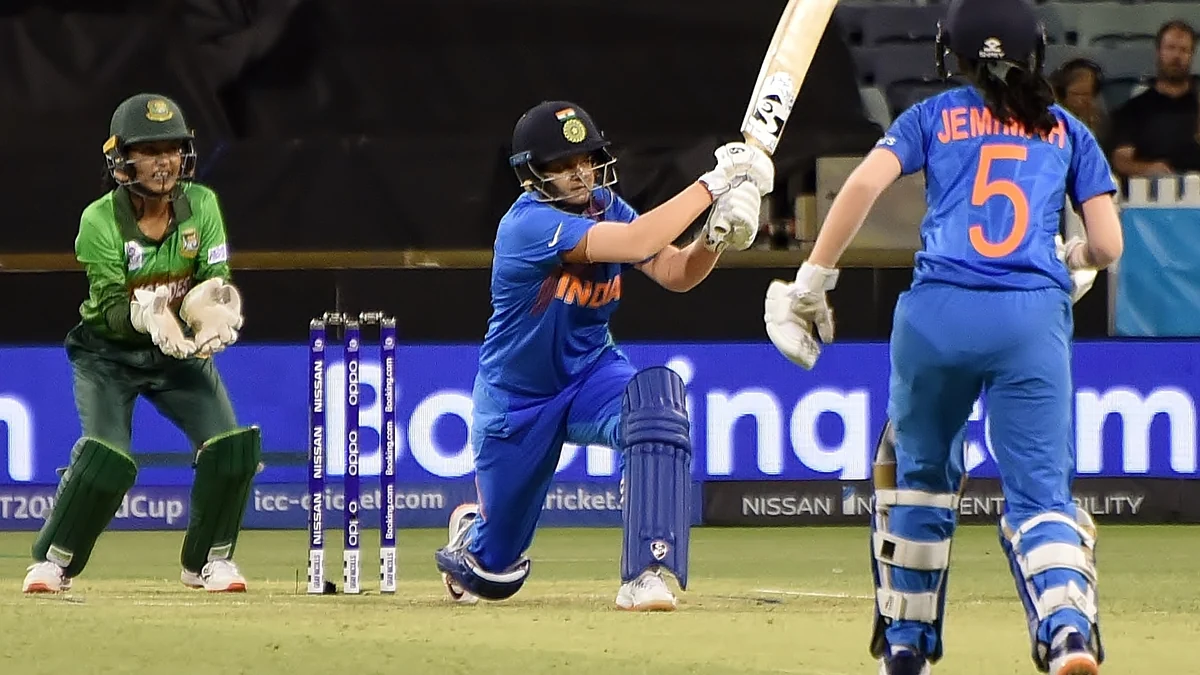
Sree Charani finished with 4/10 from four overs: she took four wickets and conceded ten runs. The order matters; it does not mean four runs from ten balls. After conceding nine in her first over, she allowed only one across the next three.
Twenty of Charani’s 24 deliveries were dot balls — valid balls producing no run. That is five-sixths of her deliveries. Such a sequence compresses the score and pushes batters toward greater risk. Its effect appears both in the bowler’s wickets and in the pressure created for her teammates.
The support was measurable too: Shafali Verma took 2/13, striking with consecutive balls; Deepti Sharma recorded 1/14; and the returning Shreyanka Patil took 1/8. The ICC playing conditions page provides the document applying to women’s T20Is in July 2026. Rules and conditions can change, so check the official version when following future matches.
Why 40 not out from 15 balls matters
Shafali Verma scored an unbeaten 40 from only 15 balls, with six fours and two sixes. Those boundary shots alone supplied 36 runs: 24 from fours and 12 from sixes. “Not out” tells us she was still batting when the target was reached.
Her individual strike rate was approximately 266.7 runs per hundred balls, calculated as 40 ÷ 15 × 100. The metric does not predict what would happen over one hundred deliveries; it standardises scoring speed for comparison. Verma made almost 69% of India’s 58 and finished the game with a six.
G Kamalini, by contrast, was dismissed for zero after two balls — a duck. Both facts can coexist: a dominant chase does not require every batter to succeed, only for the team to reach its target before losing ten wickets.
The Asian Games context
The women’s tournament in Nagoya is an eight-team knockout competition. Japan entered as host, while India were defending champions. According to the ICC guide to Asian Games cricket, India vs Japan opened the women’s bracket on 17 September at Nisshin Cricket Ground, inside Korogi Sports Park on the outskirts of Nagoya.
The win sent India into a semi-final against Bangladesh, while Sri Lanka, Pakistan and Bangladesh also reached the last four. For Japan, the 24-run opening stand and Kato-Stafford’s 25 were the competitive signs within a heavy defeat.
When following the next games, read a scorecard in three layers: runs and wickets, overs used, and individual tempo. In that way, 58/2 from five overs stops looking like a string of symbols and begins to show control, speed and resources preserved.
A bridge to Los Angeles 2028
Cricket is not part of the Olympic Games in 2026. It will return to the programme at Los Angeles 2028 after 128 years, in the T20 format. The ICC has confirmed India, Australia, Great Britain — through England — and South Africa among the first qualifiers for the six-team women’s event; another place will be decided at the inaugural ICC Olympics Qualifier in 2027.
Until then, understanding terms such as over, wicket, dot ball, strike rate and not out turns any scorecard into a readable narrative. The Japan match offers a compact lesson: pressure with the ball, a reduced target and decisive acceleration in reply.
Continue the conversation at Becoartes
After decoding the scorecard, explore more perspectives on sport and culture at Becoartes, Rua Gonçalo Afonso, 99, Vila Madalena. Check current information on the [official website](https://becoartes.com/).
Becoartes - Beco do Batman
99 Gonçalo Afonso Street, Vila Madalena, São Paulo
Sources and credits
- Tony Hisgett from Birmingham, UK — CC BY 2.0
- Bahnfrend — CC BY-SA 4.0
- Bahnfrend — CC BY-SA 4.0
- ICC — Sri Lanka and India advance to Asian Games semi-finals (18 September 2026)
- ICC — Asian Games Cricket: All You Need to Know (15 September 2026)
- ICC — Playing Conditions, incluindo as condições do T20I feminino de 2026
- MCC — Law 17: The Over
- ICC — First four teams confirmed for women’s cricket at LA28