If this is your first visit to Itaú Cultural, begin with the language that most interests you: historical images and documents in Espaço Olavo Setubal; coins, medals, banknotes and stamps in Herculano Pires; or modern and contemporary art in Milú Villela. The three collections offer distinct ways of reading Brazil and can be combined, provided you allow time to observe and compare instead of racing between floors.
The institution’s latest guidance, published on September 9, 2026, and updated two days later, also explains the difference between spontaneous and scheduled visits. This is useful both for individuals and for schools or organizations requiring mediation.
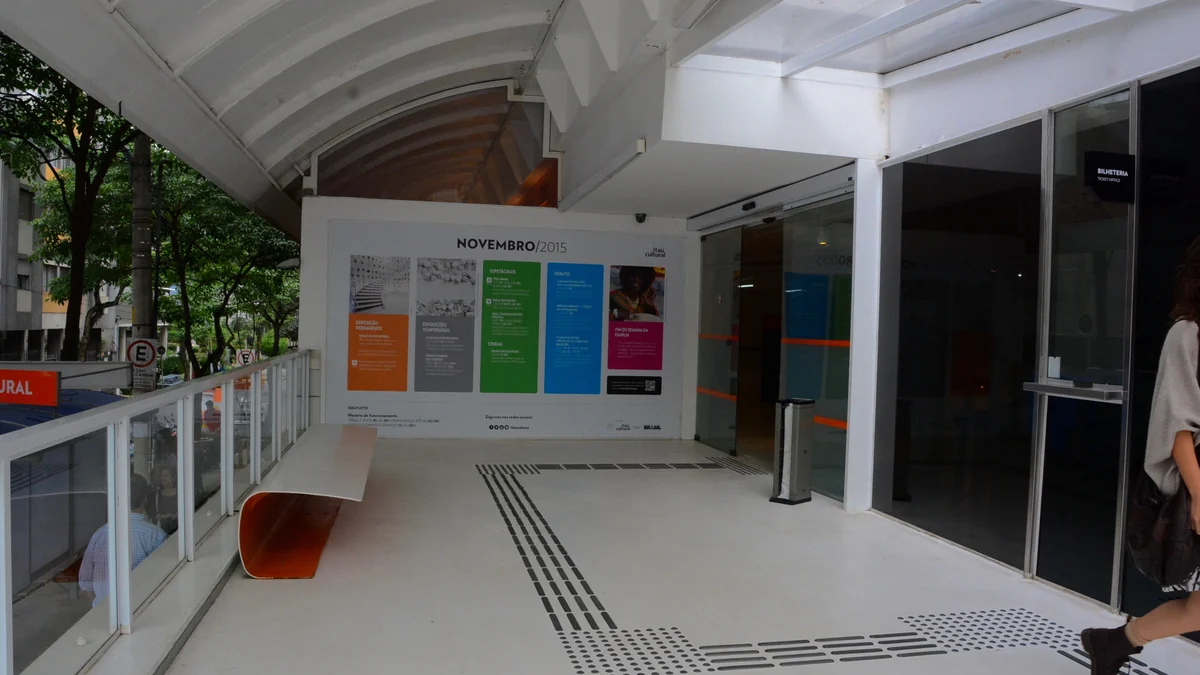
Olavo Setubal: beginning with images of history
Espaço Olavo Setubal is the clearest choice for visitors wishing to follow historical representations of the country. According to the institution’s overview of the collection spaces, it has displayed the historical holdings of Coleção Brasiliana since 2014.
Look for the choices behind each representation rather than expecting one definitive narrative. Notice who appears, which landscapes receive emphasis and how different periods constructed ideas about territory, population and identity. This approach is useful even without previous knowledge of Brazilian art history: the central question is not only “what does this image show?” but also “what version of Brazil does it help people imagine?”.
Herculano Pires: the country in circulating objects
On the sixth floor, Espaço Herculano Pires proposes a different scale of observation. Opened after renovations in 2023, it brings together coins, medals, banknotes and stamps, placing historical pieces in dialogue with contemporary artworks. Its stated purpose is to revisit Brazil’s plural, complex and diverse history.
Small details carry considerable meaning here. Portraits, coats of arms, inscriptions, denominations and symbols were designed to circulate and therefore reveal official or contested ways of representing the country. Rather than examining everything equally, select a few objects, compare periods and notice what endures or vanishes. This collection particularly suits visitors interested in material memory, graphic design, economics or public communication.
Milú Villela: an open-storage collection
Espaço Milú Villela occupies the seventh floor and operates as open storage, bringing together research, preservation, study and discovery. The official presentation says it opened to the public in October 2025 and displays selections from Coleção Itaú and other collections belonging to the group.
Choose it to examine how modern and contemporary art represents and reinvents Brazil. Genres such as portraiture and landscape may sit alongside abstraction and Nova Figuração. Since displays may change, check the official website for what will be showing on your date. The open-storage idea also encourages visitors to think beyond exhibition: each work belongs to processes of conservation, research and selection usually hidden from view.
Choosing — or combining — the three
If time is limited, choose the question you want to pursue: how was Brazil portrayed historically, how did it circulate through everyday objects, or how does art continue to reinvent it? Olavo Setubal, Herculano Pires and Milú Villela correspond to those three starting points.
For a longer visit, a productive sequence moves from historical imagery to circulating objects and concludes with modern and contemporary production. This is not a rigid chronology but a comparative exercise: a national symbol can acquire another meaning when it reappears on a banknote, stamp or artwork. The institution also periodically presents temporary exhibitions featuring selections such as artists’ books, video art and modern photography; consult the programme before deciding how much to include.
Self-guided or mediated visit
Spontaneous visits, including groups visiting without mediation, require no booking. Scheduled visits with educators are reserved for public or private institutions, including schools and organizations, and must be requested through Itaú Cultural’s designated online system. For permanent exhibitions, new slots open on the first Tuesday of each month for the following month; temporary exhibitions follow separate calendars.
Unscheduled groups seeking mediation may wait for remaining places at the times listed in the official guidance. Groups of people with disabilities may request a mediated visit at any time. As availability, rules and programmes may change, check the updated group-visits page before leaving.
Address and arrival reference
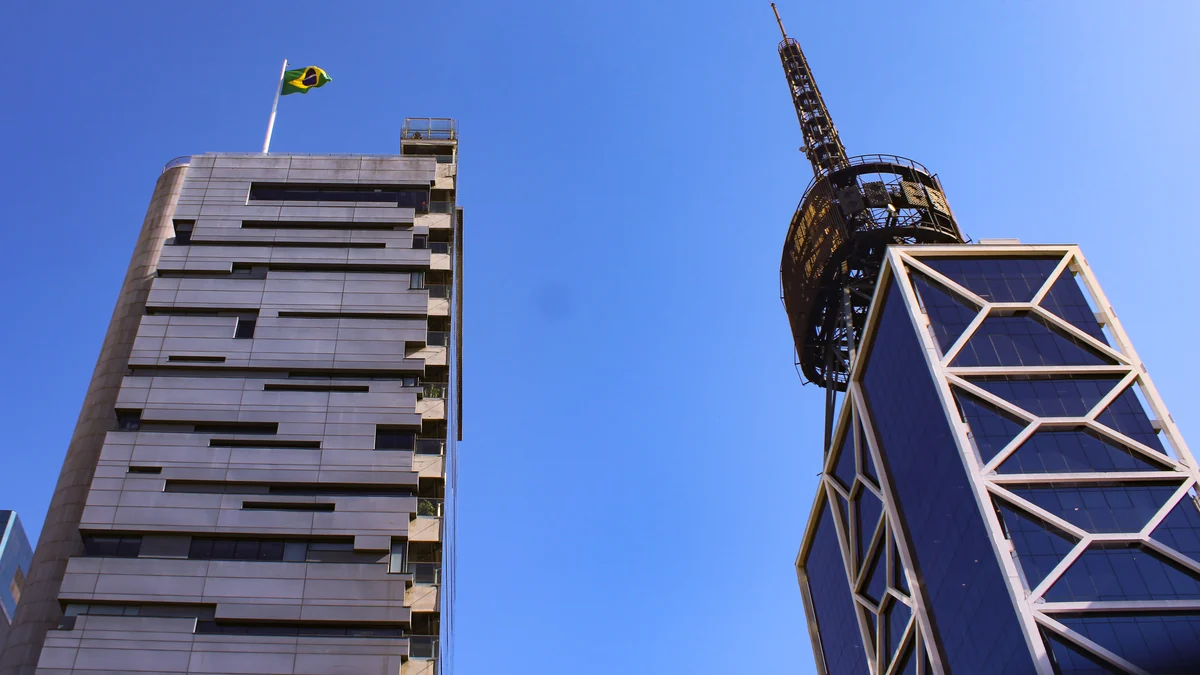
Itaú Cultural is at Avenida Paulista, 149, São Paulo, on the corner of Rua Leôncio de Carvalho. The building’s history notes that its location took into account the avenue’s bus routes, integration between two metro lines, and nearby cultural institutions and universities. This provides a geographical reference but does not replace checking current routes and transport conditions.
Before visiting, confirm opening hours, current programming and any access changes on the institution’s website. The three collections will then appear not as variations on one exhibition, but as complementary perspectives on those who produced, recorded and imagined Brazil.
Continue your cultural route through São Paulo
After exploring different readings of Brazil, discover Becoartes at Rua Gonçalo Afonso, 99, Vila Madalena. Check its official website before planning your visit.
Becoartes - Beco do Batman
99 Gonçalo Afonso Street, Vila Madalena, São Paulo