The clearest order for following Andrew Garfield’s Spider-Man is: The Amazing Spider-Man (2012), The Amazing Spider-Man 2 (2014) and, as a later addition, Spider-Man: No Way Home (2021). The first two make up the standalone series directed by Marc Webb. The third belongs to Tom Holland’s Peter Parker storyline, but connects separate franchises through the multiverse.
If you only want the story originally led by Garfield, the two *Amazing Spider-Man* movies are enough. To understand how that screen universe later figures in the multiversal crossover, add *No Way Home* after them.
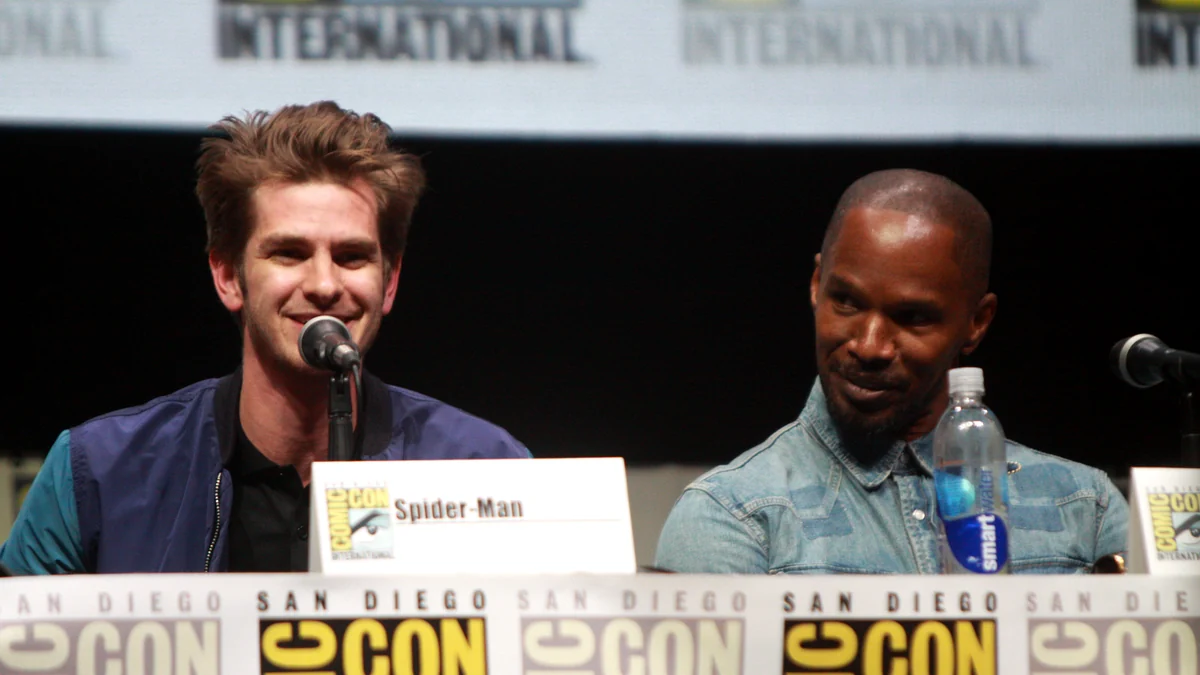
1. The Amazing Spider-Man begins a separate continuity
The Amazing Spider-Man, released in 2012, is the essential starting point. Sony identifies it as the first movie in Marc Webb’s series and as a new continuity separate from Sam Raimi’s Spider-Man trilogy.
Andrew Garfield plays a teenage Peter Parker, while Emma Stone plays Gwen Stacy. The story follows Peter as he seeks answers about his parents’ disappearance, gains extraordinary abilities after a genetically engineered spider bites him and begins his journey as Spider-Man. Dr. Curt Connors, played by Rhys Ifans, becomes the Lizard after testing an experimental serum on himself.
This chapter introduces the relationships and conflicts supporting the sequel. Starting with the second movie would therefore remove important context concerning Peter, Gwen, Oscorp and the investigation into the Parker family.
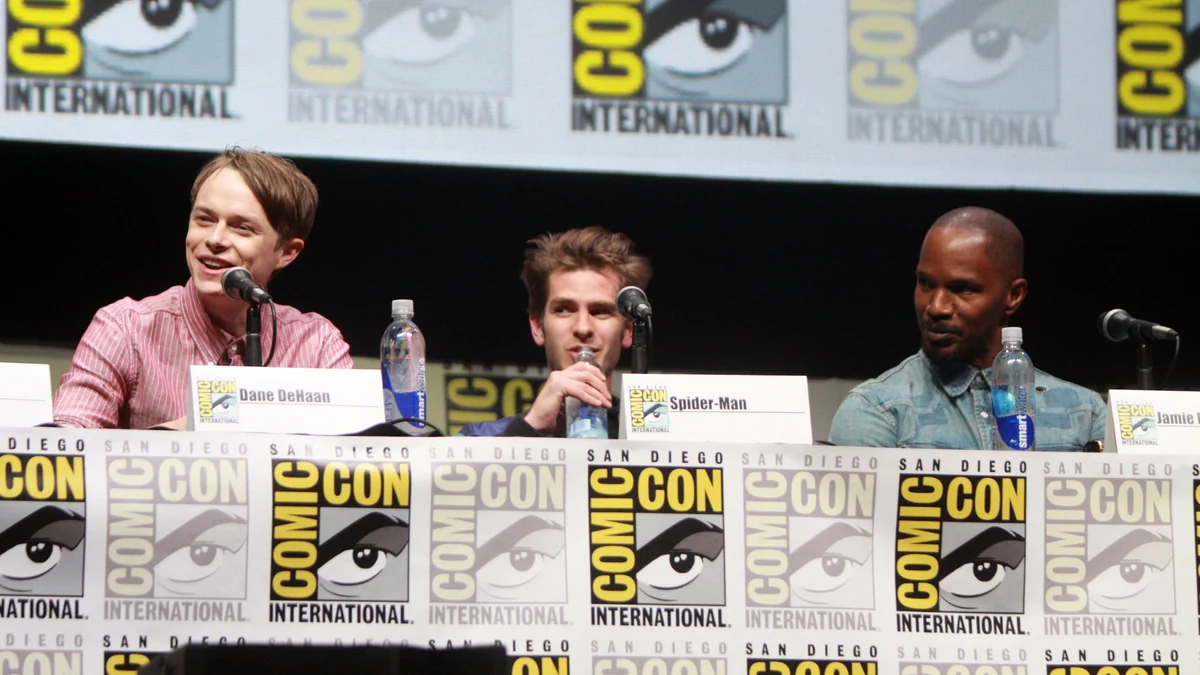
2. The Amazing Spider-Man 2 concludes the series
The next step is The Amazing Spider-Man 2, released in 2014. According to Sony’s official page, it is the second and final movie in Marc Webb’s series and takes place after the events of the 2012 film.
Peter has fully embraced his role as Spider-Man, but must balance protecting New York, his relationship with Gwen and his search for information about his family’s past. Jamie Foxx plays Max Dillon, who transforms into Electro; Dane DeHaan appears as Harry Osborn, Peter’s childhood friend who returns to New York. Oscorp once again connects the story’s principal conflicts.
The movie closes Garfield’s two-film series. There is consequently no third *Amazing Spider-Man* installment between this title and *No Way Home*. A marathon devoted only to the continuity Webb established can finish here.
3. No Way Home is an addition, not the series’ third movie
Spider-Man: No Way Home, released in 2021, should come last. Sony describes it as the third film starring Tom Holland as Spider-Man and says its story directly continues *Spider-Man: Homecoming* and *Spider-Man: Far From Home*.
Its starting point is the public revelation of Holland’s Peter Parker’s identity. When Peter seeks Doctor Strange’s help, he becomes involved in a spell that tears open the boundaries between universes. The story brings together characters and narrative threads from different Spider-Man film franchises. Sony’s list of multiversal arrivals includes Electro and the Lizard, antagonists introduced in Garfield’s two movies, as well as villains associated with earlier films.
*No Way Home* should therefore not be treated as a numbered sequel to *The Amazing Spider-Man 2*. It is a multiversal crossover anchored in Holland’s series. Watching Garfield’s two films first nevertheless provides useful context for recognizing the characters, relationships and references revisited in the crossover.
Two orders, depending on your goal
To follow only Garfield’s main arc, use the shorter order:
1. *The Amazing Spider-Man* (2012)
2. *The Amazing Spider-Man 2* (2014)
To include the later multiversal connection, use the expanded order:
1. *The Amazing Spider-Man* (2012)
2. *The Amazing Spider-Man 2* (2014)
3. *Spider-Man: No Way Home* (2021)
Release order is also the simplest narrative order. You do not need to insert Sam Raimi’s movies or Holland’s entire series to understand the two Garfield films. Anyone seeking the complete setup for *No Way Home*, however, should remember that the movie continues the story of *Homecoming* and *Far From Home*, as the official page states.
What each step adds
The first movie establishes Garfield’s version of Peter, his origin, Gwen Stacy, Oscorp and the Lizard. The second develops the consequences of those relationships, introduces Electro and Harry Osborn, and concludes the series. *No Way Home* shifts the focus to another Peter Parker and uses the multiverse to bring different cinematic histories together.
This distinction prevents two common misunderstandings: treating *No Way Home* as the third chapter of Webb’s series, or assuming it is necessary for *The Amazing Spider-Man 2* to make sense. The 2021 movie expands the experience, but belongs to another series.
Where to check availability
Sony’s pages present digital options and physical editions, but catalogs, retailers and formats can vary by country and change over time. Before buying or renting, check current availability through each film’s official link. This guide organizes the continuity; it does not assume that all three titles are available through the same service.
Discover Becoartes
Visit [Becoartes](https://becoartes.com/) at Rua Gonçalo Afonso, 99, Vila Madalena, São Paulo.
Becoartes - Beco do Batman
99 Gonçalo Afonso Street, Vila Madalena, São Paulo