The return of Avengers: Endgame to theaters is not just a nostalgia screening. In 2026, a 2019 film coming back to Brazilian cinemas with a new title, added material and a promised connection to Marvel's next chapter says less about longing and more about a deep shift in how franchise cinema competes for attention, memory and physical presence.
The rerelease Avengers: Endgame Encore is expected to arrive in Brazil on September 24, with screenings in formats such as IMAX and Infinity Vision, according to information published by specialist outlets and exhibitors. The new version is listed with a 185-minute runtime by chains such as Cinemark and is expected to include a new introduction, additional content and a post-credits scene. The confirmed point is simple: Marvel wants to put the ending of the Infinity Saga back on the big screen before Avengers: Doomsday, expected in December.
The interpretation begins there. When a studio decides to send a film already available on streaming back into theaters, it is defending a specific idea of cinema: that some stories only regain their force when they are seen in public, on a large screen, with loud sound and a fixed appointment.
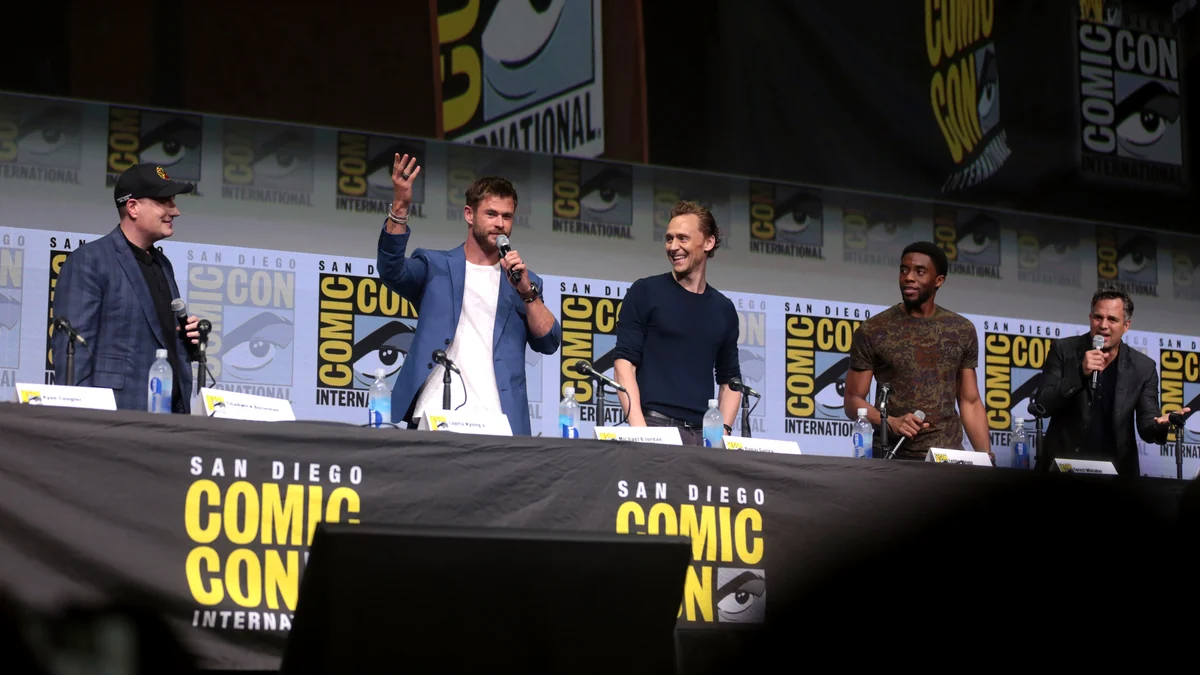
The Return of an Ending That Never Left the Conversation
Originally released in 2019, Avengers: Endgame worked as the destination point for a rare industrial construction: more than twenty interconnected films, characters followed for years and an audience trained to read every scene as part of a larger narrative. The film consolidated the shared universe as the dominant language of the contemporary blockbuster.
The 2026 rerelease does not change that historical place. What it does is reposition the film inside another moment. In 2019, Endgame was closure. Now, with the subtitle Encore, it becomes a bridge. The word suggests repetition, but also an extra performance, a return to the stage after applause, an insistence on collective effect.
Confirmed fact: the Brazilian version is listed by exhibitors for a September 24, 2026 opening and Walt Disney distribution. There is also information that the rerelease will include new material and premium formats. Editorial interpretation: Marvel seems less interested in simply replaying a hit than in reactivating an emotional vocabulary to prepare audiences for Doomsday.
That matters because superhero cinema is facing a more demanding phase. After years in which audiences treated every release as a required chapter, the relationship has become more selective. Endgame's return tries to remind viewers why they entered this story.
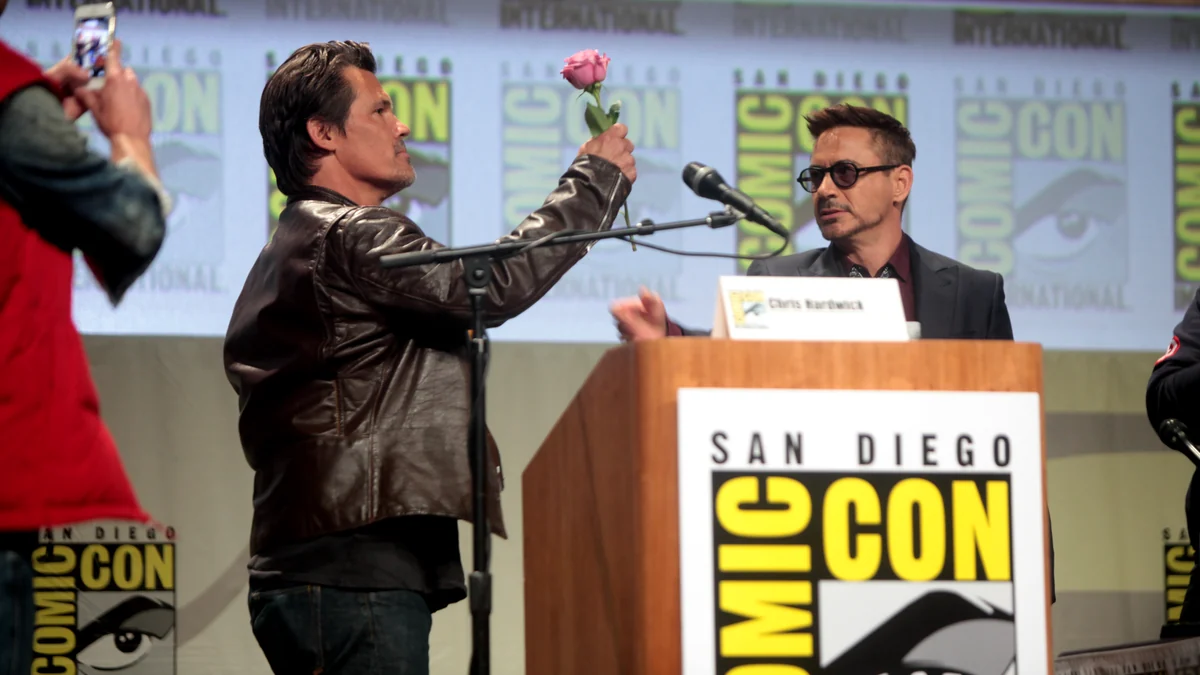
The Theater as Cultural Technology
The presence of IMAX and Infinity Vision in the package is not a technical detail. It is central to the proposal. Commercial cinema has learned that, in the face of streaming, access is not enough. It must offer difference. A larger screen, sharper projection, more immersive sound and a sense of event have become cultural arguments, not only engineering resources.
Cinemark lists Avengers: Endgame Encore with 185 minutes and a September 24 opening. Omelete reported that the version will be four minutes longer than the original, with a new introduction, additional content, a new post-credits scene and Infinity Vision certification. Tangerina/UOL reported that Marvel confirmed the Brazilian return with IMAX and Infinity Vision screenings.
The confirmed fact is the existence of this special rerelease. The editorial reading is that Hollywood is treating the theater as a prestige device. Instead of selling only the story, it is selling the way of watching.
This brings back an old question: what makes a film bigger than its digital file? In Endgame's case, the answer lies in ritual. Those who saw it in 2019 remember the collective reactions, the silence in certain scenes, the cheers in others. Marvel knows this kind of memory is not born on the couch. It is born in a full theater.

The Post-Credits Scene as a Contract With the Future
The most symbolic element of the rerelease is the promise of a new post-credits scene. In 2019, Endgame ended its story without using the traditional hook that had become the studio's signature. It was a way of saying that stage had an ending. In 2026, adding a new piece after the credits changes the gesture.
There is no room here to treat speculation as fact. What is known, based on published information, is that the new material should bring the film closer to Avengers: Doomsday. The exact content of the scene should not be presumed before the premiere. Even so, the industrial gesture is clear: the past will be reassembled to speak to the next release.
This practice exposes a feature of contemporary franchise cinema. Works stop being closed objects and start functioning as editable platforms. A film can return with extra minutes, a new narrative stitch and a different function within the calendar.
For some viewers, that reinforces the pleasure of following an expanding universe. For others, it may sound like excessive dependence on continuity. The tension is productive because it reveals Marvel's dilemma in 2026: how to preserve the emotional weight of what has already concluded without turning every ending into a prologue?

Brazil as Decisive Blockbuster Territory
Endgame's return also has to be read through the Brazilian market. This same week, outlets such as CNN Brasil and Folha reported that Spider-Man: Brand New Day surpassed the historic mark of Avengers: Endgame in the country, becoming the highest-grossing live-action film in Brazilian cinema, with more than R$344 million and over 15 million viewers, according to figures cited in the reports.
That data is not only about ranking. It shows that Brazilian audiences still respond strongly to superhero spectacle when there is urgency, a recognizable character and event scale. At the same time, the record change shows that Endgame's memory remains a benchmark. Even surpassed, the film remains a symbolic ruler.
Confirmed fact: Spider-Man surpassed Endgame at the Brazilian live-action box office, according to reports published on August 26, 2026. Interpretation: rereleasing Endgame soon after this new milestone creates an involuntary conversation between two phases of Marvel's imagination in Brazil. On one side, the young hero still growing; on the other, the choral epic that taught audiences to think in saga form.
For São Paulo, this movement has a concrete effect. The city concentrates premium theaters, presales, fan screenings and circuits where cinema becomes an urban gathering. It is easy to imagine Vila Madalena receiving bar conversations after the screening, debates about Robert Downey Jr. as Doctor Doom and comparisons between the catharsis of 2019 and Marvel's new phase.
Nostalgia Is Not Enough
The risk of any rerelease is confusing memory with guarantee. Not every beloved film needs to return. Not every return produces an event. In Endgame's case, the strength lies precisely in the ambiguity: the film returns because it was a landmark, but also because Marvel needs to prove it can still organize collective desire around a next stage.
Nostalgia is the starting point, not the destination. If the screening works only as remembrance, it will be a punctual celebration. If it works as emotional reentry, it may help rebuild public confidence in the direction of the MCU.
There is also a generational dimension. Many people who saw Endgame in 2019 were teenagers or young adults. In 2026, that audience arrives at the screening with another life, another relationship with time, money and pop culture. The rerelease tests whether Marvel still speaks to that audience without depending only on the shock of novelty.
In that sense, Encore is a precise title. It does not promise a restart. It promises return. And return, in cinema, depends less on the isolated work than on the audience's willingness to accept that pact again.
What Is Confirmed and What Is Interpretation
Confirmed: Avengers: Endgame Encore is listed for release in Brazil on September 24, 2026 by exhibitors such as Cinemark. The new version is associated with premium exhibition formats, including IMAX and Infinity Vision. Specialist outlets reported additional material, a new introduction and a new post-credits scene. It is also confirmed, through August 26 reports, that Spider-Man: Brand New Day surpassed Endgame at the Brazilian live-action box office.
Interpretation: Marvel is using a closing film as a warm-up piece for a new cycle. This operation combines affective memory, theater technology, continuity marketing and the fight for attention in a market where streaming made access ordinary but did not completely replace the desire for presence.
The cultural question is not whether Endgame is still big. Recent cinema history has already answered that. The question is whether it can still produce community when it returns to the screen.
Why This Matters Beyond Marvel Fans
Even for those who do not follow every detail of the MCU, the rerelease is an important signal. It shows how pop culture now works with living archives. Films, albums, series and characters return in extended, remastered, commented or reconnected versions. The past has become active raw material.
That can impoverish creation when it becomes automatic repetition. But it can also reveal something about how people build cultural memory. Seeing Endgame again in 2026 is not seeing exactly the same film. It is seeing it after a pandemic, after market changes, after streaming's advance, after a new box-office dispute in Brazil.
The experience changes because the viewer has changed. And perhaps that is where the rerelease finds its relevance: not in pretending 2019 has returned, but in showing how far away 2019 has become.
In São Paulo, where cinema shares space with concerts, exhibitions, graffiti, bars and street circulation, this kind of return finds an audience used to turning pop culture into urban conversation. Between a giant-screen screening and a walk through Vila Madalena, Becoartes observes exactly this movement: when a blockbuster stops being just a product and becomes a sign of how the city comments on, disputes and updates its own cultural memories.
Stay Tuned
Follow Becoartes for releases, returns and cultural disputes that help explain cinema beyond opening weekend.
Becoartes - Beco do Batman
99 Gonçalo Afonso Street, Vila Madalena, São Paulo
Sources and credits
- Gage Skidmore — CC BY-SA 2.0
- Gage Skidmore — CC BY-SA 2.0
- Gage Skidmore — CC BY-SA 3.0
- Republic of Korea — CC BY-SA 2.0
- CNN Brasil - Novo Homem-Aranha supera Vingadores: Ultimato no Brasil
- Tangerina/UOL - Vingadores: Ultimato volta aos cinemas para preparar Doutor Destino
- Omelete - Relançamento confirma duração estendida
- Cinemark Brasil - Vingadores: Ultimato Encore