Federal health officials have identified norovirus as the cause of a gastrointestinal outbreak aboard the Caribbean Princess. The US Centers for Disease Control and Prevention updated its public report on November 24, a day after the voyage ended. The tally for the entire trip was 233 passengers and 35 crew members who reported illness. That makes 268 people. It does not mean 268 individual positive tests, or that everyone in the count was sick as the ship came into port.
There is a simple way to tell which report you are reading. Look for voyage B638, which ran from November 11 to November 23, 2026. The ship reported the outbreak to the CDC's Vessel Sanitation Program on November 15. The agency first published its notice on November 17, then updated it the following week. A headline written during the voyage and a count released after it ended are snapshots taken at different times.
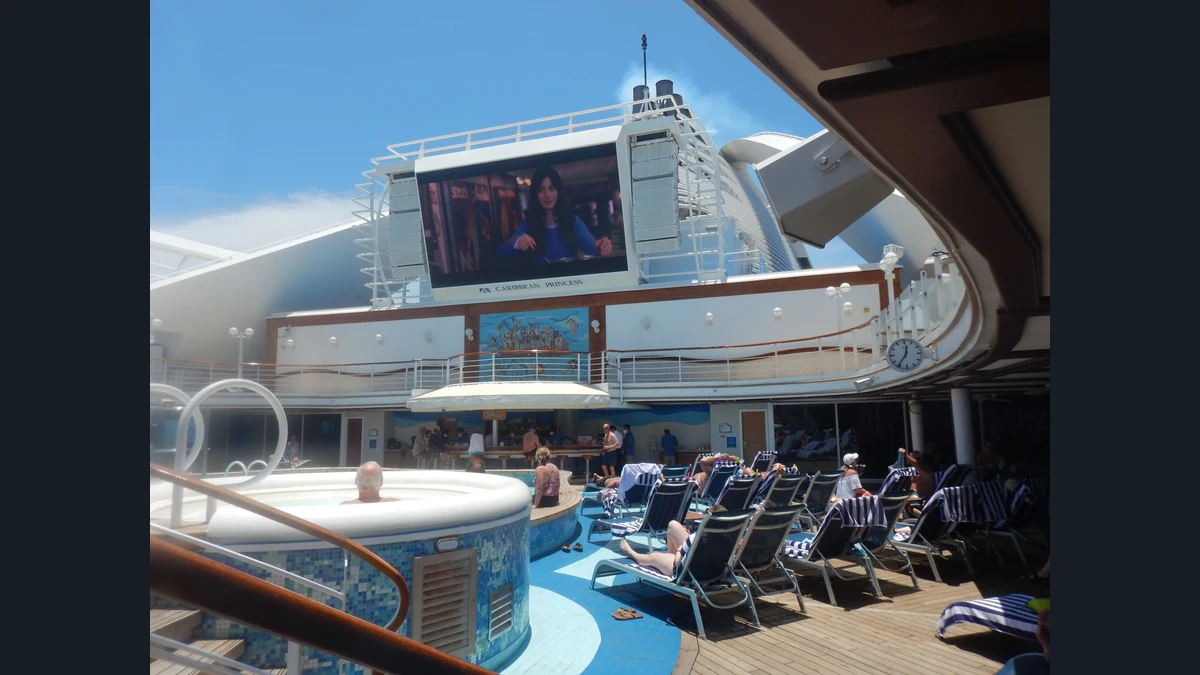
Why the CDC gives two percentages
Of the 2,936 passengers on board, 233 reported being ill during the voyage, a rate of 7.9 percent. Among the 1,132 crew, 35 reported illness, or 3.1 percent. The two groups add up to 4,068 people, but their percentages cannot simply be added: they describe groups of very different sizes. Separate rates also matter because federal monitoring looks for a rise in either group rather than waiting for the same proportion of the entire ship to fall ill.
Vomiting and diarrhea were the predominant symptoms. The public notice gives no daily breakdown. November 15 is the reporting date, not necessarily the date the first traveler felt unwell. Nor is there enough information to calculate the peak number of people in isolation or establish how many still had symptoms on the last day. A voyage total answers the question of how many reports accumulated, not how crowded the medical center was on a particular afternoon.
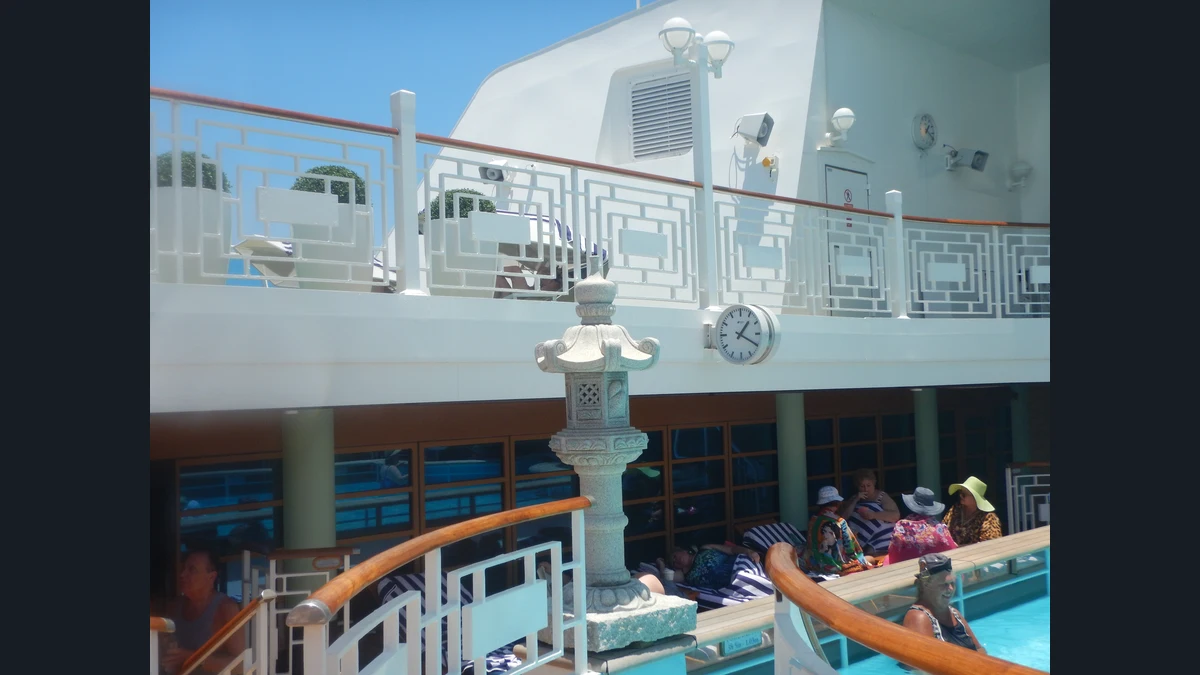
A case count and a laboratory result answer different questions
A passenger does not need to know what caused an illness before calling the ship's medical center. The medical team assesses reported symptoms against a standard definition. For instance, vomiting together with diarrhea or abdominal cramps can qualify. The definition also considers the frequency of loose stools and what is normal for the individual. Staff enter reportable cases in the ship's log; those records are the starting point for monitoring illness at sea.
Determining the cause of an outbreak is a separate task. Princess told the CDC that stool specimens had been collected for testing. The updated public record names norovirus, but does not give a tally of positive laboratory results for the individuals in the log. Knowing the agent also does not tell investigators where exposure first occurred. No particular food, dining room, shore stop or activity is identified as the source in the voyage notice.
What the ship and the federal team did
Princess reported isolating sick passengers and crew and stepping up cleaning and disinfection under its outbreak plan. Ship personnel consulted the federal program about sanitation and reporting. This was more than a remote exchange: the program carried out a field response that included an environmental assessment and an outbreak investigation. These are reported actions, not a finding that a particular part of the ship failed inspection.
During investigations, federal specialists can examine the timing of illness in the medical logs, ask about activities and review cleaning procedures. The purpose is to learn enough about a pattern of exposure to interrupt it. Laboratory work, a review of the physical environment and interviews address related but distinct questions. The Caribbean Princess notice confirms fieldwork; it does not publish a questionnaire, identify a first case or trace the illness to a particular meal.
What a traveler can actually do with this information
If symptoms start on a cruise, the CDC advises calling the onboard medical center promptly and following its instructions. That call can help the individual get advice while contributing to a more accurate picture for the ship. The federal program offers assistance when reports reach 2 percent of either passengers or crew. It generally considers 3 percent in either group an outbreak. Those are operating thresholds for the public health team, not a reason to wait before seeking help.
The agency recommends washing hands frequently, especially after using the bathroom and before eating. If someone vomits in a shared space, step away and alert a crew member if staff are not already aware. For travelers checking a future reservation, keep the scope of the record in mind: it describes one identified voyage on one ship. It is neither a cancellation notice nor a forecast of conditions on the next departure. The best starting point for checking a report is the ship name, the two voyage dates and the date on which the public health agency last updated its figures.
Image credits. Context photographs resized, framed with margins and converted to WebP without cropping. Blake Handley (CC BY 2.0); Blake Handley (CC BY 2.0).
Sources for this story
Original documents are linked in the article.
Becoartes - Beco do Batman
99 Gonçalo Afonso Street, Vila Madalena, São Paulo