Why it warms up before summer
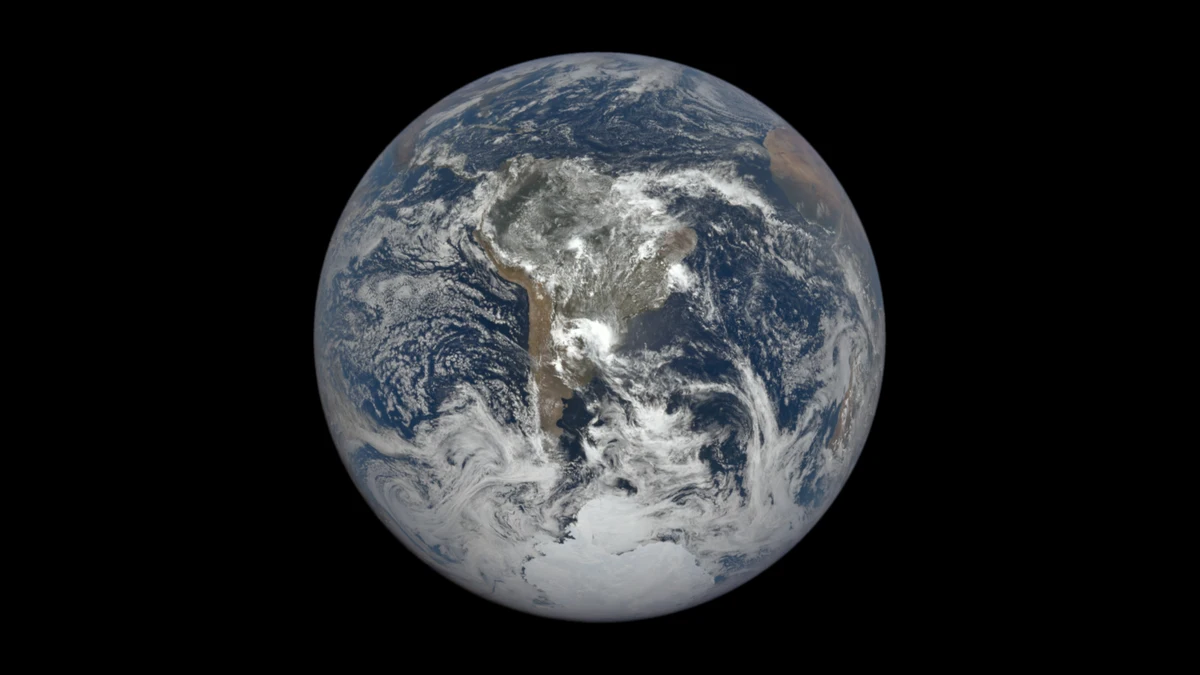
Across most of Brazil, days grow longer in spring as the December solstice approaches. Earth's tilted axis also brings more direct sunlight to the Southern Hemisphere at this time of year. That helps explain the seasonal warming, but it cannot by itself explain several unusually hot days in a city. Air circulation and cloud cover also matter.
The solstice date is not a forecast
Astronomical summer in the Southern Hemisphere starts on December 21 in 2026. November is still astronomical spring. One hot day alone does not make a heat wave.
A monthly outlook for above-average temperatures describes a tendency over the period. It does not tell you which days will be hotter in a particular neighborhood or how many hot days will follow one another. A short-range forecast has a different purpose: tracking local weather over the next few days.
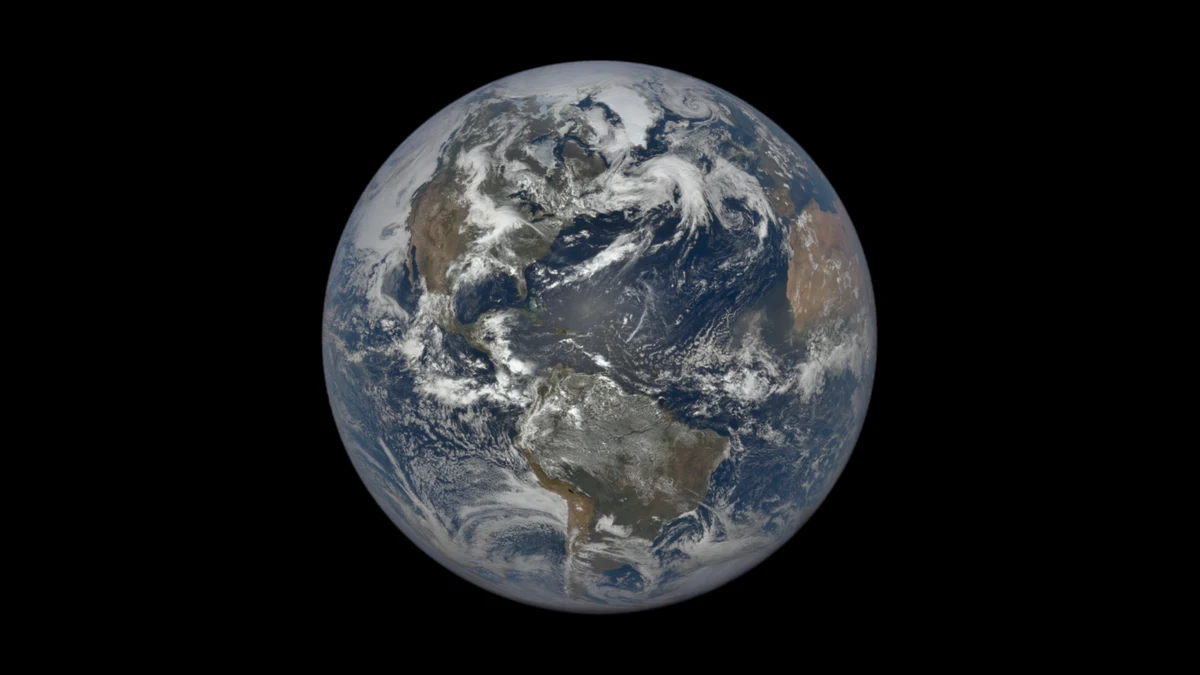
The two satellite images help illustrate how lighting changes between solstices. They do not measure surface or air temperatures. Check the dates in the captions and use the local forecast instead of treating these pictures as heat maps.
How to recognize a heat wave
Brazil's INMET glossary cites a benchmark of five or more consecutive days with daily highs at least 5 °C above the average monthly high. That is a reference definition, not a forecast or a substitute for the criteria of a live warning. Check INMET’s official alerts for your area.
Check official alerts
Use INMET for local warnings.
Becoartes - Beco do Batman
99 Gonçalo Afonso Street, Vila Madalena, São Paulo