The first field goal of overtime did not end Chiefs–Colts. Kansas City went ahead 30–27, Indianapolis answered with another kick to tie the score, and the Chiefs won 33–30 only on the third possession. The sequence recorded in the Chiefs’ official Game Center explains the finish without treating any single kick in isolation.
The three-possession sequence
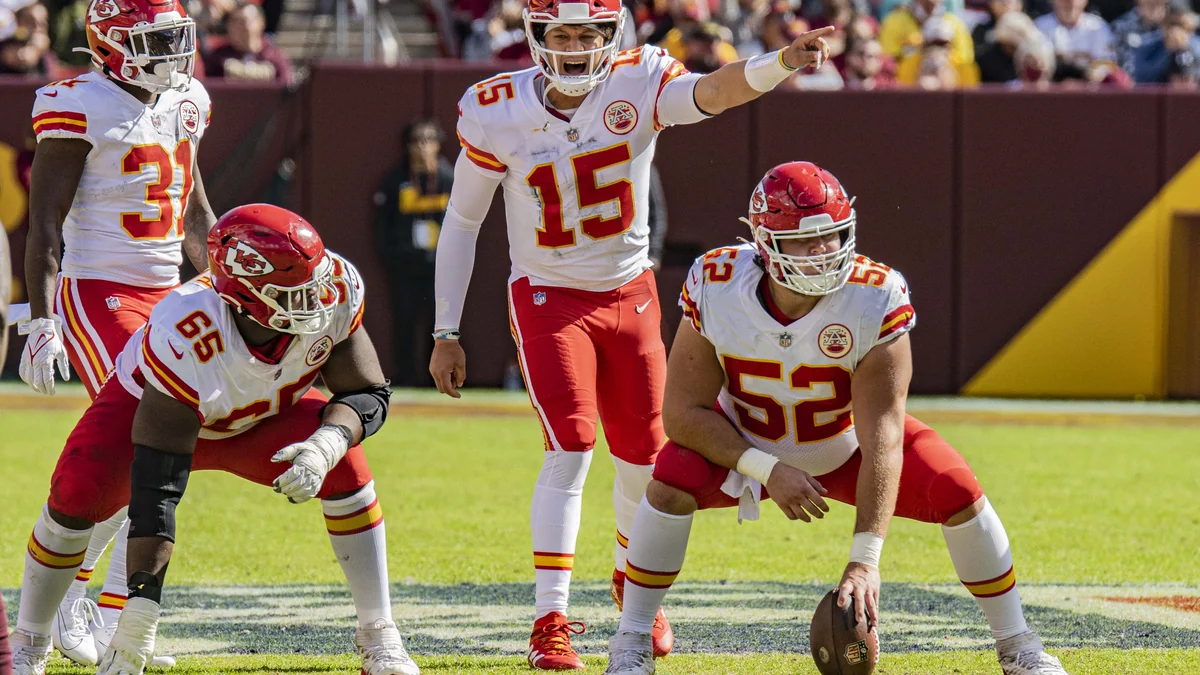
The game entered overtime tied 27–27. On the first drive, Patrick Mahomes completed a 30-yard pass to Tyquan Thornton, found Travis Kelce and also advanced on a run. The Colts’ defense stopped Kansas City at the 13-yard line, and Harrison Butker made a 31-yard field goal. Score: 30–27.
Indianapolis received the ball next. Daniel Jones connected with Laquon Treadwell for 48 yards on the first play. The initial ruling was a lost fumble, but review reversed the decision and kept possession with the Colts. The offense did not reach the end zone; Spencer Shrader made a 38-yard field goal to tie the game at 30–30.
On the third drive, a short Mahomes pass to Kenneth Walker III became a 22-yard gain on third-and-one. Butker then converted from 40 yards as the clock reached zero. The official Indianapolis recap confirms that the loss came on the third and final possession of overtime.
Why the opening kick was not enough
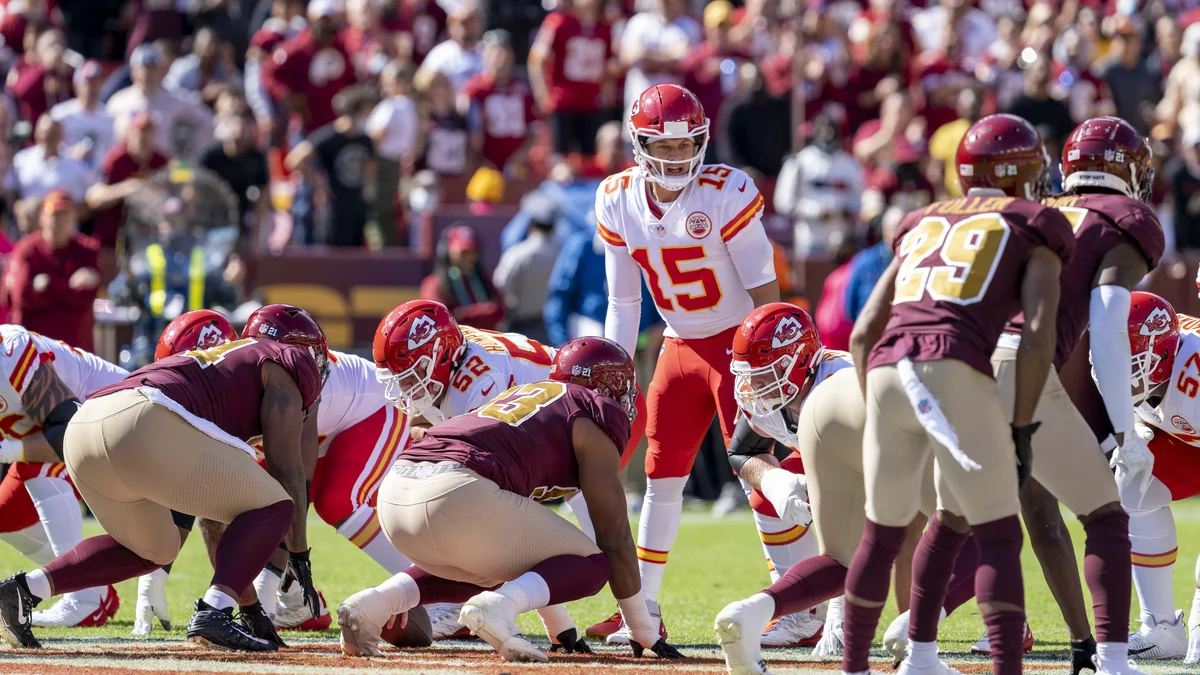
The reliable answer is visible in the official play sequence itself: the 31-yard field goal put Kansas City ahead, but did not end the game; Indianapolis received the ball and had an opportunity to respond. When Shrader tied the score, play continued because neither team was ahead at that point.
This case does not establish that every overtime will always include three possessions. The outcome depends on events during each drive and the available time. The official 2026 rulebook page identifies Rule 16 as “Overtime Procedures,” but the supplied page does not display all of the procedure’s conditions and exceptions in text. To apply the rule to another situation — a touchdown, safety, turnover or an expired clock — readers should consult the full wording in the current official PDF.
When the lead became decisive again
After the Colts’ field goal, the score was tied again. Kansas City regained possession with just over three minutes remaining, according to the analysis published by Indianapolis. The Chiefs then needed to score again within the time available.
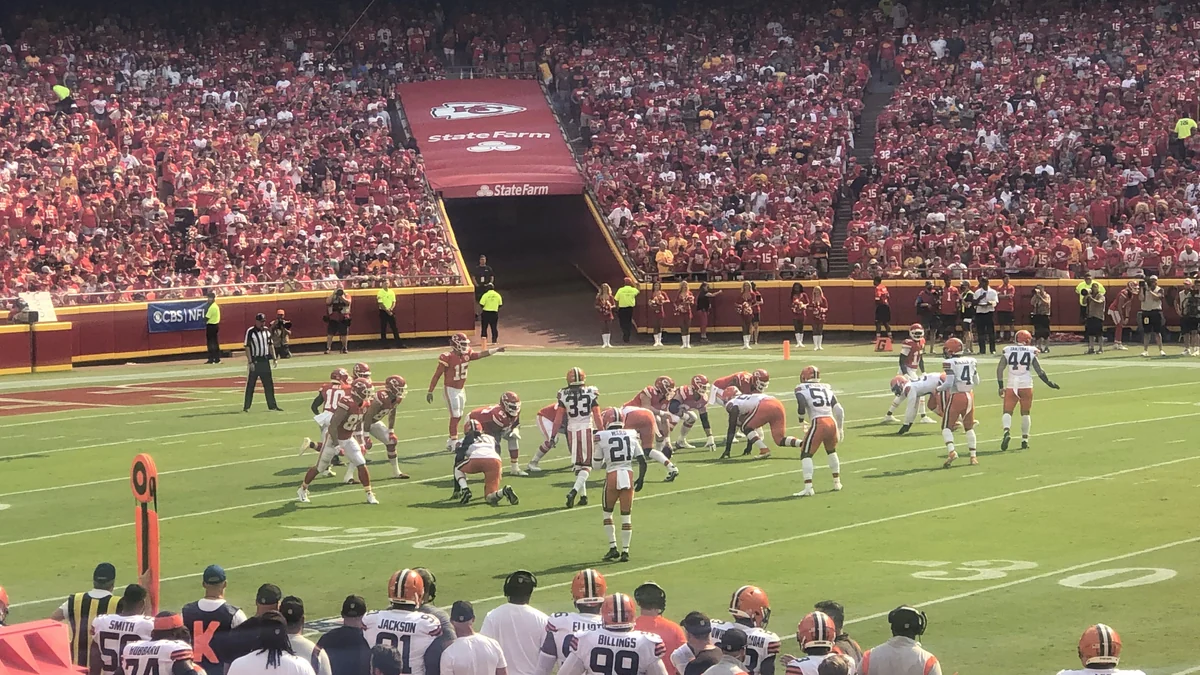
The final drive covered 46 yards in seven plays and used 3:11, according to the Game Center. Walker’s gain on third down moved the ball to the Colts’ 24-yard line. Butker’s kick decided the game because it put Kansas City back in front precisely as the period ended. The distinction between the first and third field goals was not their value — both were worth three points — but the score and the moment in which each occurred.
The Colts’ fourth-down choice
Indianapolis faced its central decision after the pass to Treadwell. Jonathan Taylor began the possession with 95 yards on 22 carries and two touchdowns. The Colts tried to put the ball in his hands, but he lost one yard on first down and two on second. Pressured on third-and-13, Jones scrambled for five yards.
On fourth-and-eight, the offense initially remained on the field. Shane Steichen explained that Jones could run the play if he liked the defensive look; otherwise, the instruction was to take the tying kick. The quarterback did not get the desired look, took a delay-of-game penalty and Shrader made the field goal. Steichen’s official explanation shows that the coach considered pursuing the win but preserved the game when the read did not favor a conversion attempt.
The clock changed the risk
The Colts won the coin toss and chose to begin on defense. Steichen said he wanted to avoid giving Mahomes an additional fourth down on a response drive. The choice also let Indianapolis know exactly what it needed after the opening kick: a field goal would keep the game alive at that score, while a touchdown would have put the Colts ahead.
Time, however, weighed on the next possession. By choosing the tying kick, Indianapolis returned the ball with just over three minutes left. Its defense needed to keep the Chiefs out of field-goal range, but the pass to Walker converted a critical third down. The case therefore offers two practical lessons: answering the opening kick was essential, and tying the game transferred the decision to the defense with little time remaining.
Regular season and playoffs
This sequence should not automatically be applied to every postseason game. The official material available here does not include the complete text needed to detail differences in duration, continuation and ending conditions between regular-season and playoff overtime. Rule 16 of the current rulebook is the proper reference; because conditions can change, check the NFL’s official document before using this game as a template for another matchup.
Chiefs–Colts provides a clear practical principle: track possession, score and clock together. To continue the conversation about sports and culture, Becoartes is at Rua Gonçalo Afonso, 99, Vila Madalena; confirm current information on its official website.
Continue the conversation at Becoartes
Becoartes is at Rua Gonçalo Afonso, 99, Vila Madalena. Confirm current information on the official website.
Becoartes - Beco do Batman
99 Gonçalo Afonso Street, Vila Madalena, São Paulo
Sources and credits
- All-Pro Reels — CC BY-SA 2.0
- All-Pro Reels — CC BY-SA 2.0
- Conman33 — CC BY-SA 4.0
- Indianapolis Colts — relato oficial da derrota na terceira posse da prorrogação
- Indianapolis Colts — explicação oficial da decisão de Shane Steichen no fourth down
- NFL Football Operations — livro oficial de regras de 2026, incluindo a Rule 16
- Kansas City Chiefs — game center oficial com placar por período, estatísticas e as três campanhas da prorrogação