A registration made after the Europa League deadline does not necessarily signal a new signing. In cases of long-term injury or illness, UEFA permits a temporary replacement on List A: the minimum absence is 30 days for a goalkeeper and 60 days for an outfield player. The two situations have different conditions, require medical evidence and end with the replacement’s removal when the original player returns.
The rule was applied immediately at the start of 2026/27. Between 16 and 17 September, Bournemouth, Crystal Palace, Olympiacos and Union SG registered changes of this kind. Here is how to read each case without assuming a diagnosis, an exact return date or transfer activity.
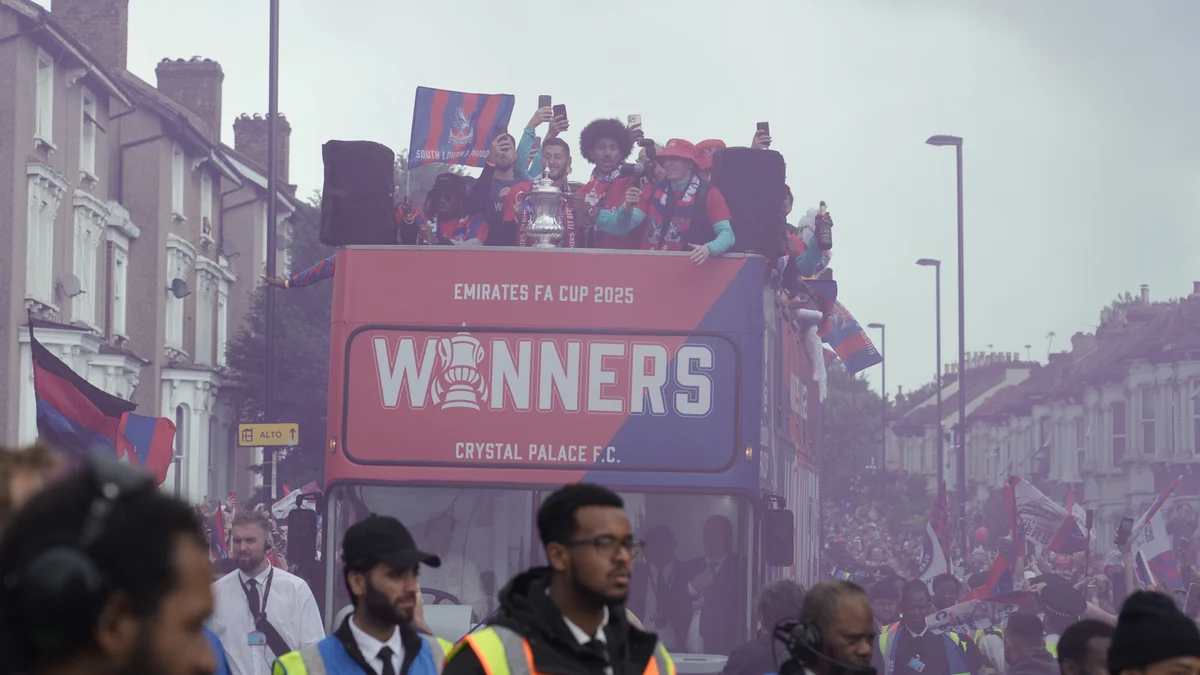
The difference between a goalkeeper and an outfield player
A goalkeeper registered on List A may be temporarily replaced at any point in the season when an injury or illness is deemed long-term — at least 30 days from its onset. The new goalkeeper does not have to be locally trained, even if the player whose place he takes held that status.
For an outfield player, the threshold is at least 60 days. The option is available during the league phase up to and including Matchday 6, and each club may use this exception for no more than one outfield player. The replacement must also have been registered with the club before the original List A deadline.
The conditions appear in UEFA’s squad-change tracker and Article 31.14. UEFA requires medical evidence in one of its official languages and may request a further examination by an expert it appoints, at the club’s expense.
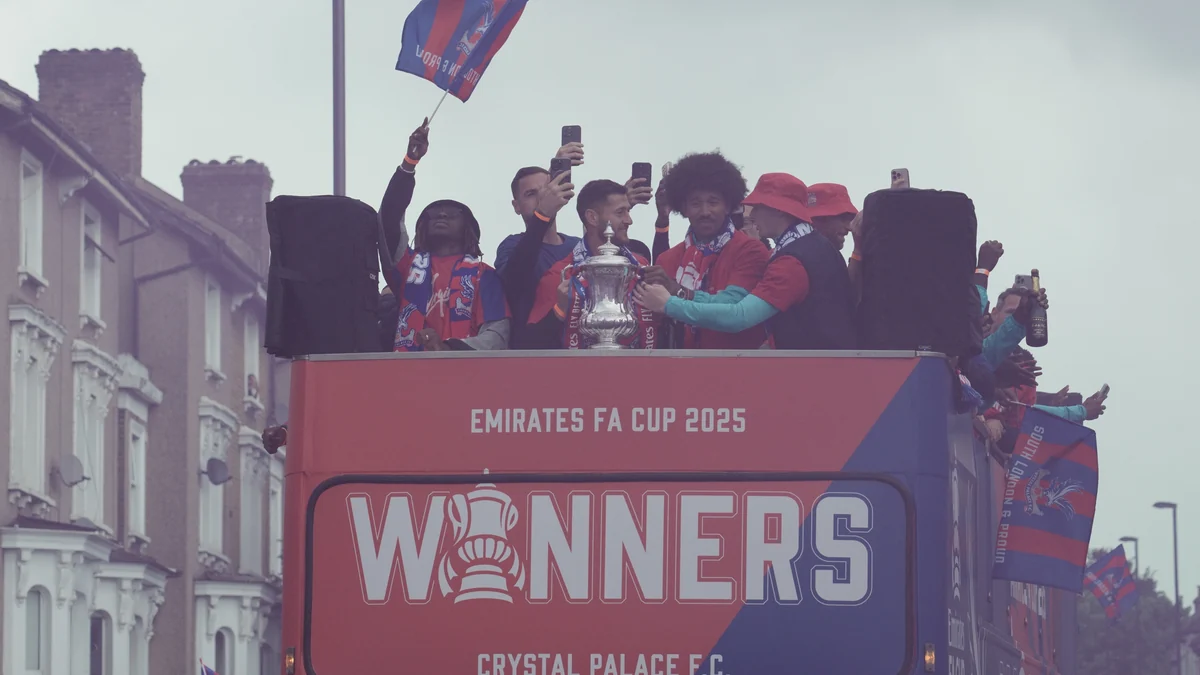
Local-training quotas still matter outfield
The exception does not automatically erase squad quotas. If the removed outfield player occupied a club-trained or association-trained place, the replacement must preserve the corresponding quota. For goalkeepers replaced because of long-term injury, the newly registered player is exempt from the local-training requirement.
This distinction explains why a club cannot simply select any available player to cover an outfield absence. Prior registration, position, minimum period of absence and, where applicable, training status all have to align.
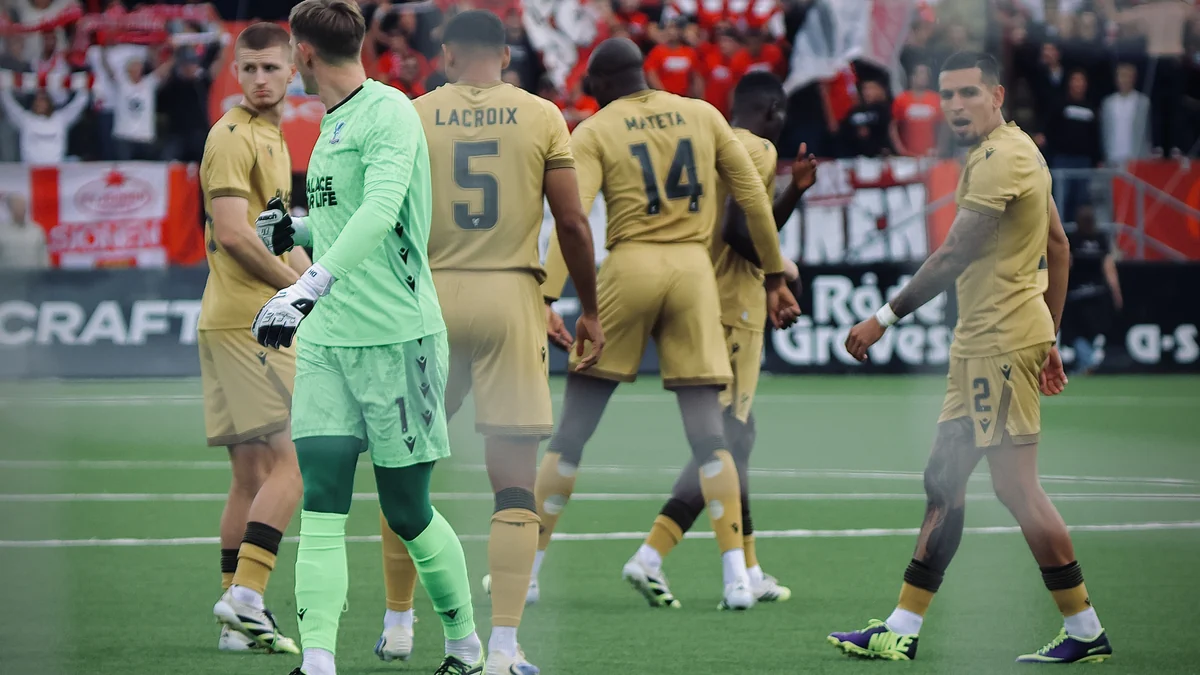
The four opening-week cases
The official list records three outfield changes on 16 September. Bournemouth’s Ben Gannon-Doak replaced Eli Junior Kroupi. At Olympiacos, Roman Yaremchuk came in for Ayoub El Kaabi. Union SG registered Nohim Chibani in place of Kevin Mac Allister. UEFA classified all three under Article 31.14c, covering the long-term injury of an outfield player.
On 17 September, Crystal Palace registered Remi Matthews in place of Dean Henderson under Article 31.14a, which applies to goalkeepers. The document confirms the regulatory category of each change, but gives no diagnosis and sets no return date for the four absent players. The 30- and 60-day minimums should therefore not be treated as individual medical forecasts.
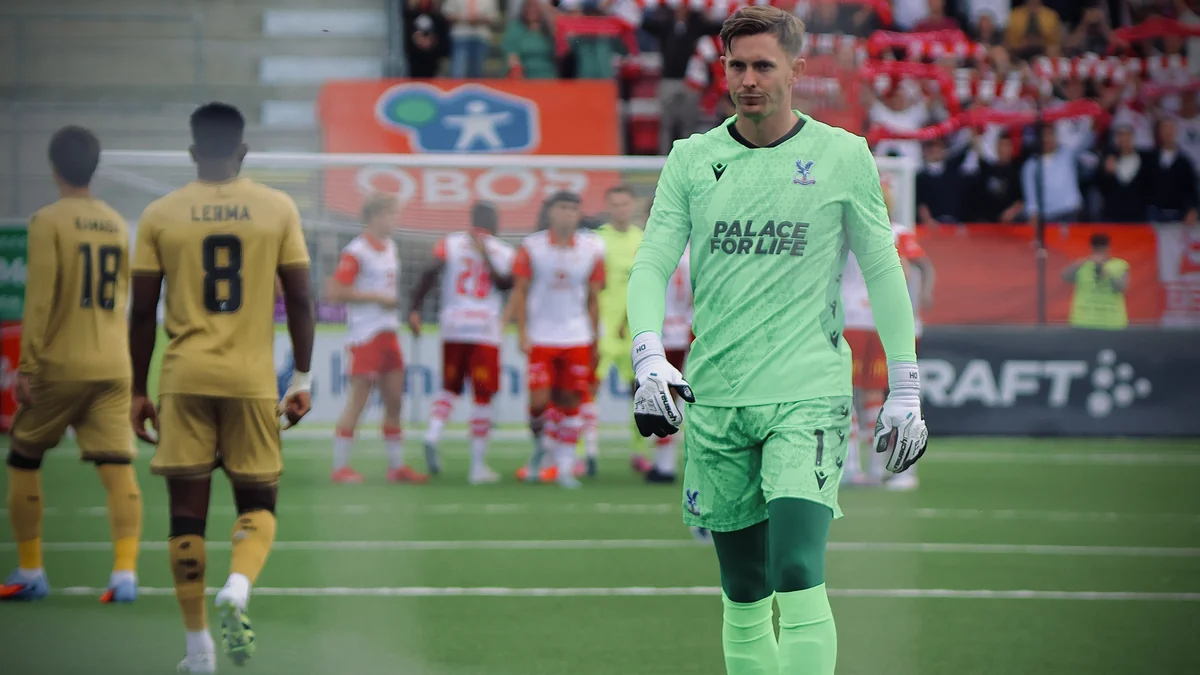
What happens if the original player improves early
Recovering before the minimum period does not restore immediate eligibility. A goalkeeper remains ineligible for UEFA club competitions until the 30 days have elapsed; an outfield player remains ineligible until the 60 days are complete. Once fit again, the original player may reclaim his place on the list, and the replacement must be removed.
The club must notify the UEFA administration of the return by 23:59 CET on the day before the next match in which it intends to field the original player. This is therefore a replacement tied to a medical absence, not a permanent expansion of the European squad.
A timeline that separates the windows
The league-phase List A deadline was 2 September 2026. The four changes appeared on 16 and 17 September under the medical exceptions. The competition began on 16 September and its eight matchdays run through 28 January 2027, according to the official fixture list.
The Matchday 6 limit applies to the temporary replacement of one long-term injured outfield player. It is separate from another rule: after the league phase, each club may register up to three new eligible players for the knockout stage by 4 February 2027 at 23:59 CET. Article 32.02 describes additional, specific allowances for domestic championships that begin and end within the same calendar year.
There is also a separate case for permanently transferred goalkeepers. After Matchday 6 and before the league phase ends, such a goalkeeper may be replaced. If the club advances, the addition counts among its three registrations for the knockout stage, when the local-training quota must again be respected.
Why the list matters to the competition
The changes occurred in a phase where 36 teams share one table. After eight games, the top eight qualify directly for the round of 16; teams placed ninth to 24th enter the knockout-phase play-offs; those from 25th to 36th are eliminated. UEFA’s standings explainer also details the tiebreaking criteria.
All four affected clubs began with wins: Olympiacos beat Jagiellonia 2-1; Crystal Palace defeated Lech Poznań 4-0; Union SG won 3-0 at Viktoria Plzeň; and Bournemouth overcame Real Sociedad 2-1. The Matchday 1 round-up provides context for those results.
Because UEFA states that its tracker is an informational aid without binding effect, changes and conditions should be checked through the official link before each matchday.
Football is also about reading the context
After following the rules and results, visit Becoartes at Rua Gonçalo Afonso, 99, Vila Madalena. Confirm the details directly on the [Becoartes website](https://becoartes.com/).
Becoartes - Beco do Batman
99 Gonçalo Afonso Street, Vila Madalena, São Paulo
Sources and credits
- Peter Trimming — CC BY-SA 2.0
- Peter Trimming — CC BY-SA 2.0
- MichaelEmilio — CC BY 4.0
- MichaelEmilio — CC BY 4.0
- UEFA — alterações nas listas da Liga Europa 2026/27 e texto das regras de substituição
- UEFA — resultados e calendário oficial da fase de liga 2026/27
- UEFA — resumo oficial da primeira rodada
- UEFA — critérios e consequências da classificação na fase de liga