The Dakar 2026 Youth Olympic flame was lit in Athens on 10 September and travelled to Senegal, with its arrival in Dakar announced for 12 September. That is the key fact for anyone looking for the timeline now: this marks the beginning of a ceremonial journey, not the start of competition. The official sources provided do not contain a detailed itinerary for the relay in Senegal.
The distinction matters because the ceremony precedes the first Olympic sporting event to be held in Africa, but it does not turn every appearance of the flame into a Games event. It opens a narrative connecting Greek Olympic tradition with the host country and the preparations under way in Dakar, Diamniadio and Saly.
What happened in Athens
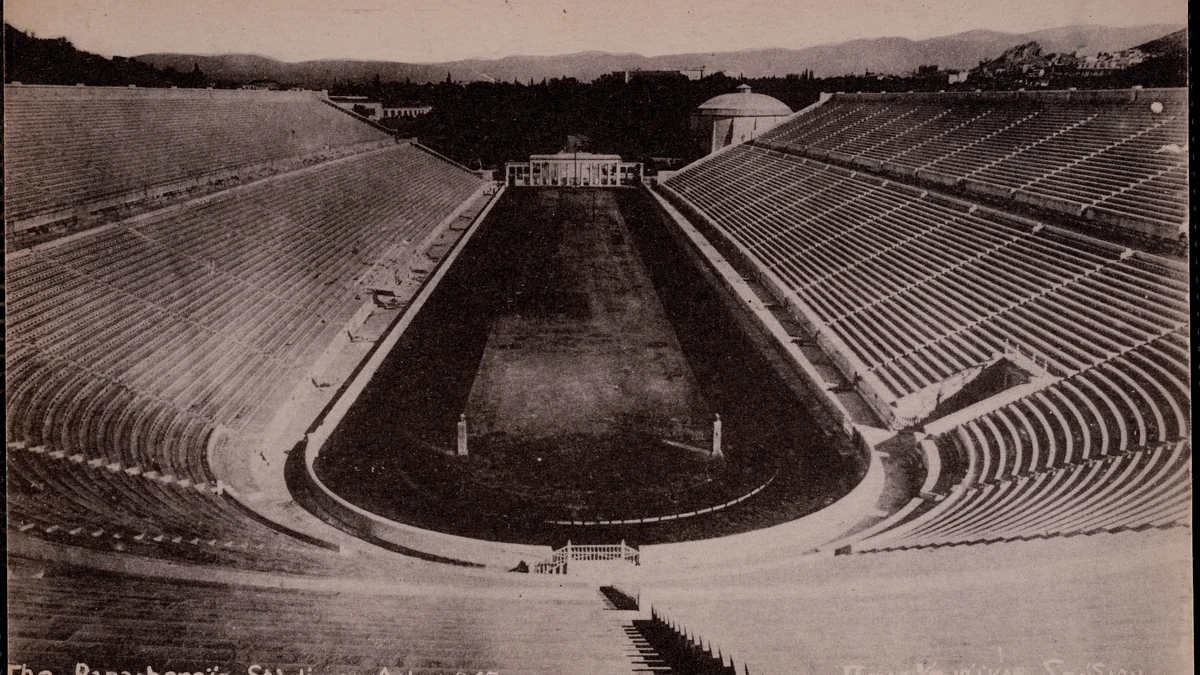
According to the International Olympic Committee’s record of the ceremony, the flame was lit at the historic Panathenaic Stadium in Athens on 10 September 2026. The IOC said the torch would then travel to Senegal and arrive in the city of Dakar on the 12th.
The setting helps explain the symbolic scale of the occasion: the journey begins in a stadium associated with Olympic history, while its destination is the continent preparing to stage its first Olympic sporting event. The Athens-to-Dakar leg therefore serves as an institutional and cultural passage. It should not be mistaken for a competitive stage or for the automatic release of every relay stop.
IOC President Kirsty Coventry attended the occasion and described it as a new chapter for the Olympic Movement. The available information, however, is limited to the ceremony, the journey to Senegal and the announced arrival. The record does not provide a sequence of neighbourhoods, municipalities, times or torchbearers.
Why the flame is travelling to Dakar
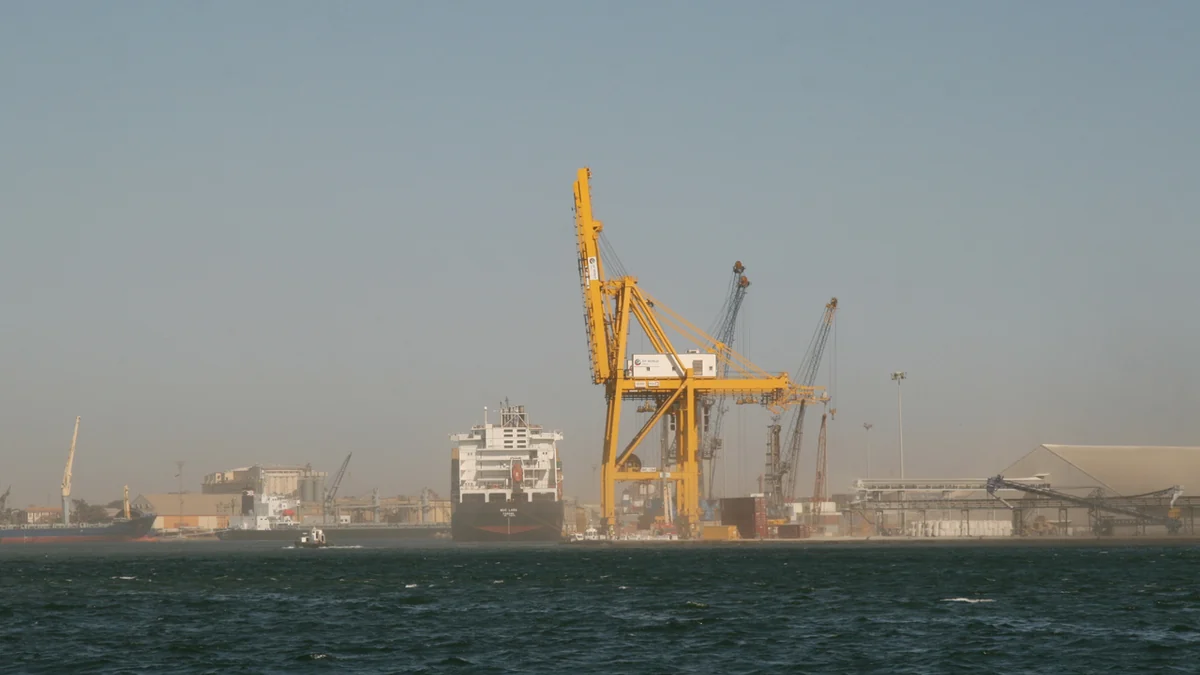
Dakar 2026 is an edition of the Youth Olympic Games. The historic element emphasised by the IOC is geographic: it will be the first Olympic sporting event staged on the African continent. The flame gives visible form to the transition between the ceremony in Athens and the country hosting the event.
That explains the attention given to the international journey. It is more than the transport of a torch: it is a way of locating Senegal within the institutional history of the Olympic Movement. Even so, the meaning attached to the journey must be separated from what has actually been confirmed. Until the available sources publish further information, a complete Senegalese route cannot be described.
Dakar, Diamniadio and Saly are host locations
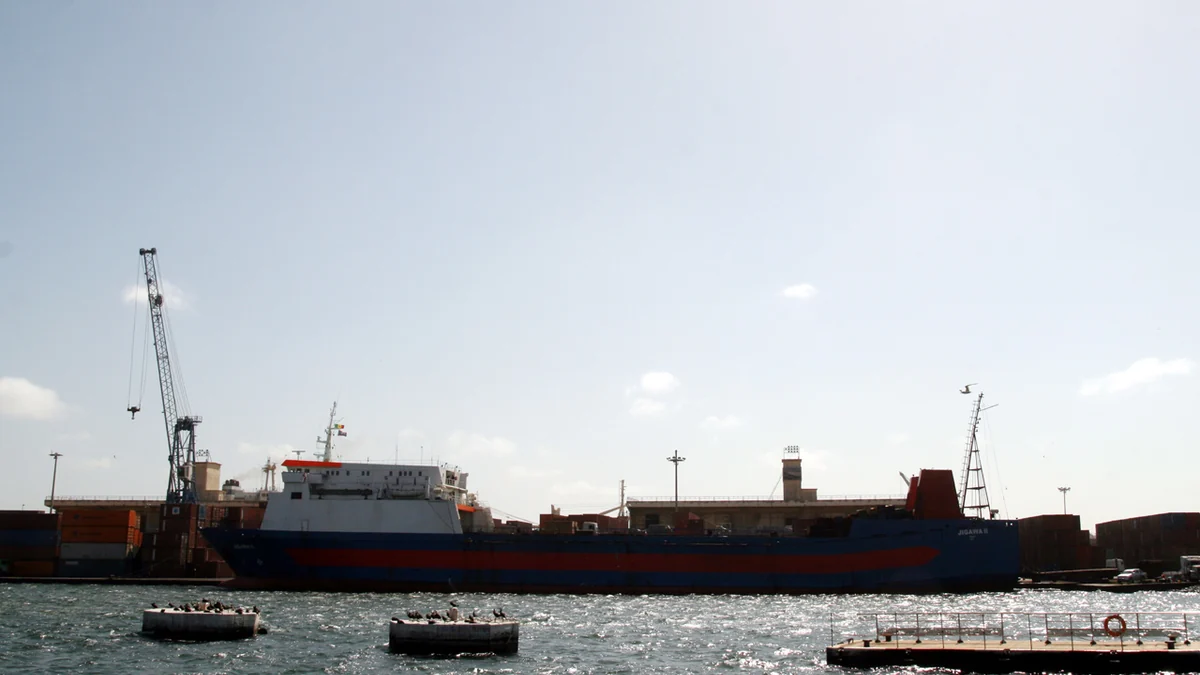
Preparations are not confined to one place. In March 2026, the IOC identified Dakar, Diamniadio and Saly as host locations. Its release described the move from planning into the final delivery phase, following a Coordination Commission meeting involving the IOC, the organising committee and local authorities, as well as venue visits.
It is more accurate to call Dakar, Diamniadio and Saly host locations, as the source does, without imposing an unreported hierarchy. Nor should readers conclude that the flame will visit all three: the distribution of Games activities and the relay itinerary are different sets of information. One confirms where preparations are taking place; the other would require a specific torch schedule.
Ceremony, relay and competition are different stages
The lighting ceremony begins the symbolic journey. The relay, once its stages are detailed, is the public movement of the flame. The competition period is when young athletes contest Games events. Blending these three phases could create the false impression that competition started on 10 September.
To follow developments accurately, readers should look for three kinds of official update: announcements about the flame, operational Games releases and information specifically concerning the sports calendar. As dates, stops and conditions may change, any plans should be checked through official IOC and organising sources before travel or attendance.
How the Youth Olympic Games differ
Dakar 2026 is not an edition of the traditional Olympic Games; it is the Youth Olympic Games. The official name and the IOC releases place young athletes at the centre of the event. In the available sources, preparations are also connected with sport, culture, education in Olympic values and community participation.
That combination was being developed before the flame was lit. The Dakar en Jeux festival, launched in 2022, brought thousands of people together at the host locations during a week of activities in 2025. According to the IOC, the initiative gives young people opportunities to discover sports, celebrate local culture and learn about Olympic values.
The festival should not be presented as part of the September 2026 relay. Its relevance here is contextual: it shows that the relationship among youth, sport and culture was already being built in host communities, rather than beginning only when the flame arrived.
How to read the next flame updates
An update that merely shows the torch in Senegal does not, by itself, confirm the entire route. To qualify as an itinerary, the information needs to identify places and dates officially. It is also worth checking whether an announcement concerns the flame, a cultural activity, a sports venue or a competition.
For now, the reliable timeline is brief: lighting at the Panathenaic Stadium on 10 September; travel to Senegal; announced arrival in Dakar on 12 September; and preparations across Dakar, Diamniadio and Saly. Everything else should await official publication. This reading preserves the historic force of the occasion without anticipating a route or competitions that the supplied sources do not yet document.
Continue the conversation at Becoartes
After exploring the connections among sport, culture and place, visit Becoartes at Rua Gonçalo Afonso, 99, Vila Madalena. Check current information on the [official website](https://becoartes.com/) before you go.
Becoartes - Beco do Batman
99 Gonçalo Afonso Street, Vila Madalena, São Paulo
Sources and credits
- Catsimpoolas, Nicholas — Public domain
- Remi Jouan — CC BY 3.0
- Remi Jouan — CC BY 3.0
- COI — acendimento da chama no Estádio Panatenaico, 10 de setembro de 2026
- COI — Dakar 2026 entra na fase de execução; sedes em Dakar, Diamniadio e Saly
- COI — esporte e cultura nas comunidades anfitriãs por meio do Dakar en Jeux