Sunderland returned to European competition after 53 years and beat AZ Alkmaar 1-0 in their opening match of the 2026/27 Europa League league phase. The result is historic, but the job is far from complete: it was only the first of eight matches against different opponents in a single 36-club table.
Understanding the scale of the return requires separating three issues: the long continental absence, the route that took the club into this edition and the workings of a competition very different from those played in 1973.
What happened on the night of the return
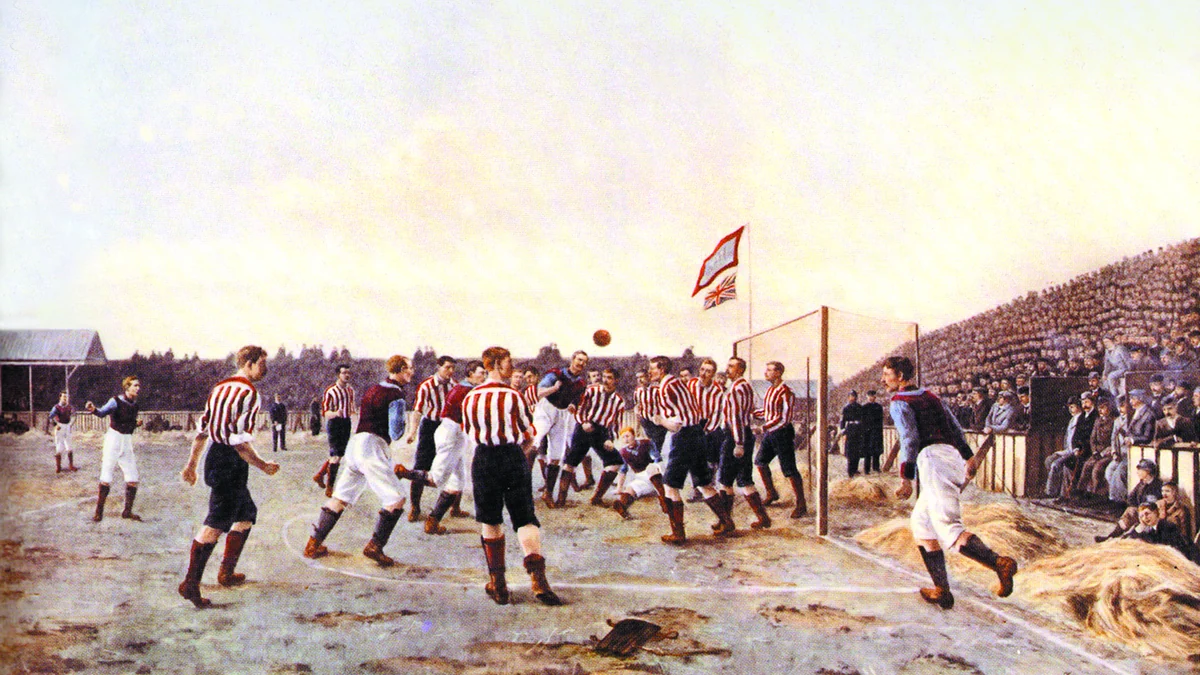
According to UEFA’s official Matchday 1 round-up, Sunderland hosted AZ Alkmaar on 16 September. Enzo Le Fée hit the post in the first half and scored from the penalty spot after the interval. Both teams missed chances from close range, and the English side protected its 1-0 lead.
The importance extends beyond the score. UEFA itself described the match as Sunderland’s first European appearance since 1973. The victory therefore ended a 53-year wait on the opening night, without needing to turn one match into a verdict on the entire campaign.
How Sunderland reached the Europa League
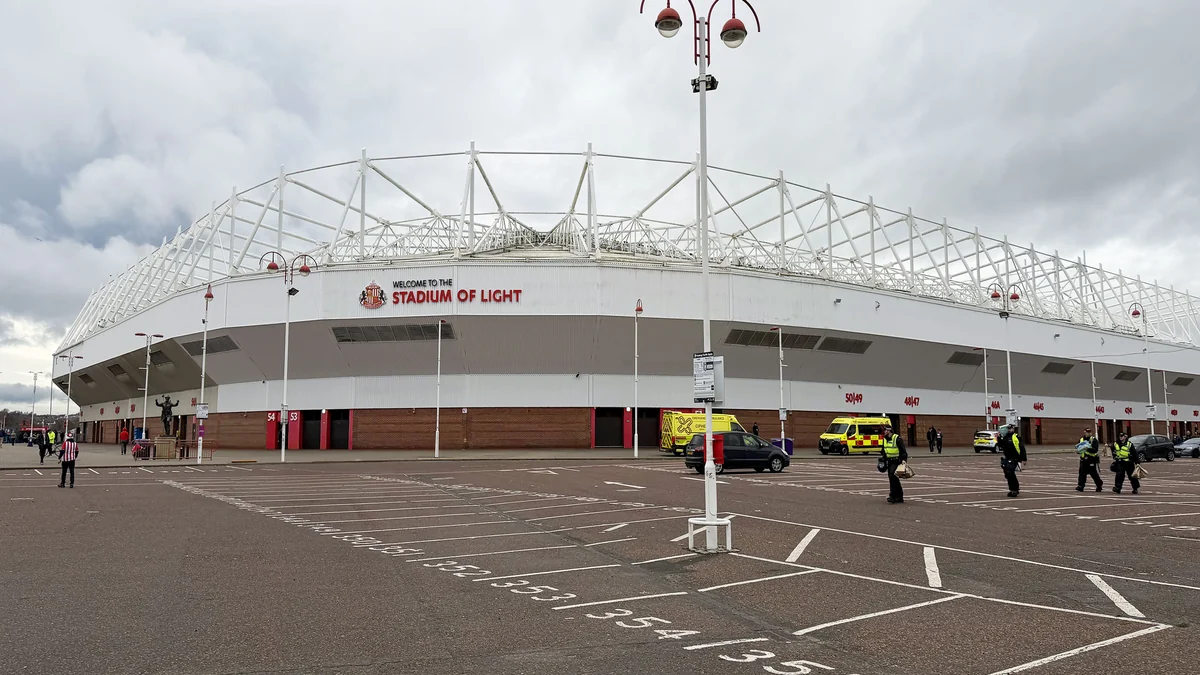
The club did not have to negotiate continental qualifying rounds. In its official profile of the 36 participants, UEFA records that Sunderland finished seventh in England and entered the league phase directly. Sixth-placed Bournemouth were the other English club admitted through that route, while Crystal Palace arrived as 2025/26 Conference League winners.
The overall line-up places that berth in context. Thirteen clubs received direct entry — a group including the Conference League holders — while 12 advanced through Europa League qualifying and 11 transferred from Champions League qualifying. Sunderland consequently began its journey among the 36 clubs in the main stage.
Why 1973 and 2026 are not equivalent campaigns
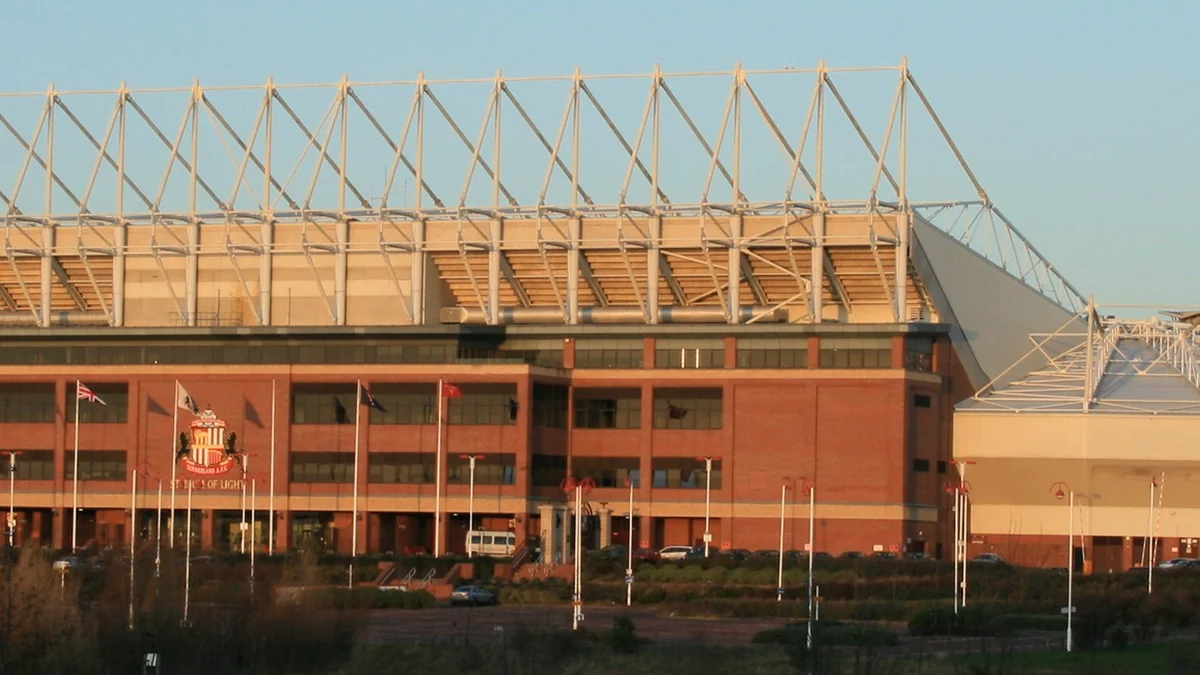
“Back after 53 years” accurately describes the interval between European appearances, but it does not mean a return to the same tournament or rules. The 2026/27 edition is the 56th season of the competition now called the Europa League and only the 18th since its name changed from the UEFA Cup, according to the season guide.
There is also an important documentary caveat. UEFA’s 1973/74 UEFA Cup archive lists the clubs in that edition, won by Feyenoord, and Sunderland is not among them. On the supplied evidence, it is therefore accurate to say Sunderland returned to European football for the first time since 1973, but not to present its earlier appearance as a UEFA Cup campaign. The safe parallel is historical and chronological, not an equivalence between competitions.
How today’s league phase works
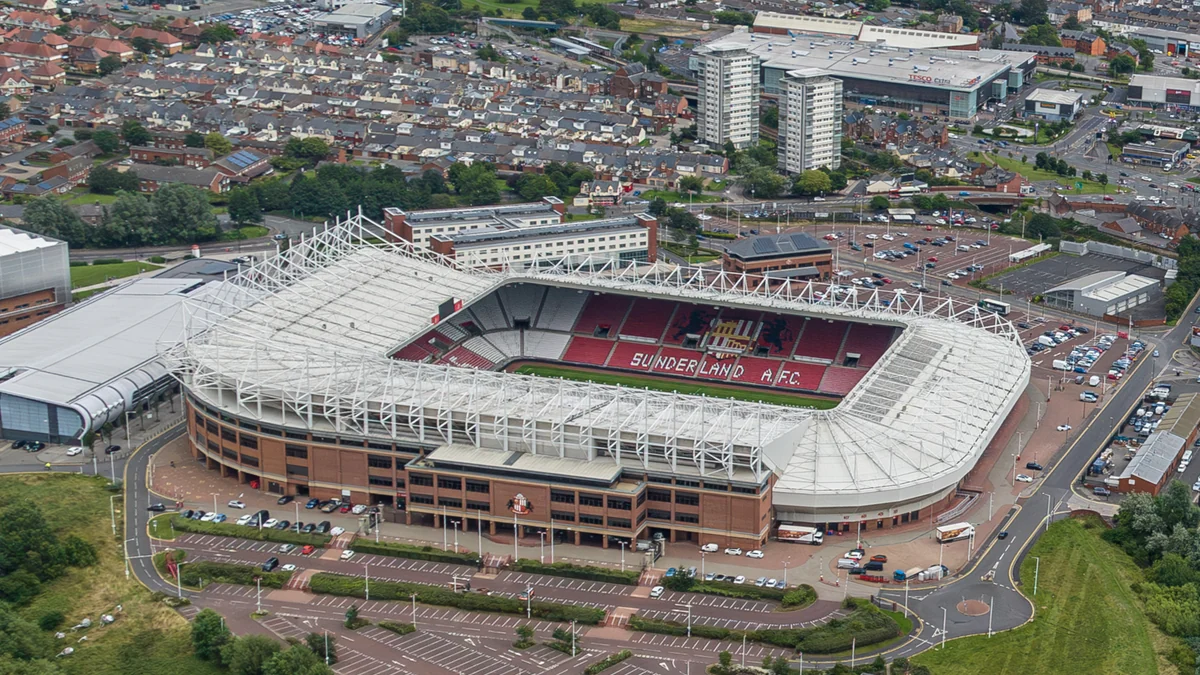
Each of the 36 clubs faces eight different opponents instead of playing a conventional home-and-away group against the same teams. Sunderland’s allocation comprises four home fixtures and four away fixtures between September 2026 and January 2027.
The opening victory supplies three useful points in the common standings, but it was too early to turn them into a definitive position: on 17 September, Matchday 1 had not even finished. What can safely be said is that Sunderland started with a win; its position and requirements for progressing should be followed through the official table as the remaining matches are completed.
The league phase ends on 28 January with 18 simultaneous games. Knockout play-offs follow in February and the round of 16 in March. The final is scheduled for 26 May 2027 in Frankfurt. UEFA notes that dates may change, so supporters should check the official schedule before each round.
The seven opponents still to come
The fixture list published by UEFA sets out a varied sequence after AZ:
- 15 October: Torreense vs Sunderland;
- 22 October: Lech Poznań vs Sunderland;
- 5 November: Sunderland vs GNK Dinamo;
- 26 November: Sunderland vs Jagiellonia;
- 10 December: Milan vs Sunderland;
- 21 January: Anderlecht vs Sunderland;
- 28 January: Sunderland vs Levski Sofia.
The schedule brings two successive away trips in October, two home matches in November, a visit to Milan before the break and a final fixture at the Stadium of Light. Because dates and kick-off times can change, the official page should be checked before making plans.
What the 1-0 means from here
The opening match provides a concrete foundation: a win, a clean sheet and three points before a run containing four away games and three at home. Its competitive meaning, however, will depend on the points Sunderland collect in the seven remaining rounds and how that total compares with those of the other 35 clubs.
For now, the most useful reading combines memory with proportion. Sunderland have already turned their return into a result; the next task is to turn a landmark night into a campaign. To continue the conversation about football and culture in São Paulo, Becoartes is at Rua Gonçalo Afonso, 99, Vila Madalena.
Football, memory and culture
Continue the conversation at Becoartes, Rua Gonçalo Afonso, 99, Vila Madalena.
Becoartes - Beco do Batman
99 Gonçalo Afonso Street, Vila Madalena, São Paulo
Sources and credits
- Thomas M. M. Hemy (complete name: Thomas Marie Madawaska Hemy) (1852-1931) — Public domain
- Quintin Soloviev — CC BY 4.0
- User:John_the_mackem — CC BY-SA 2.5
- Original: Arne Müseler; Derivative work: Blackcat — CC BY-SA 4.0
- UEFA — resumo oficial de Sunderland 1 x 0 AZ Alkmaar e da primeira noite da rodada
- UEFA — calendário do Sunderland e dos demais clubes na fase de liga
- UEFA — participantes, datas, formato, classificação e prêmio esportivo da edição 2026/27
- UEFA — perfil dos 36 clubes e vias de classificação para a fase de liga
- UEFA — arquivo oficial dos clubes participantes da Copa da UEFA de 1973/74