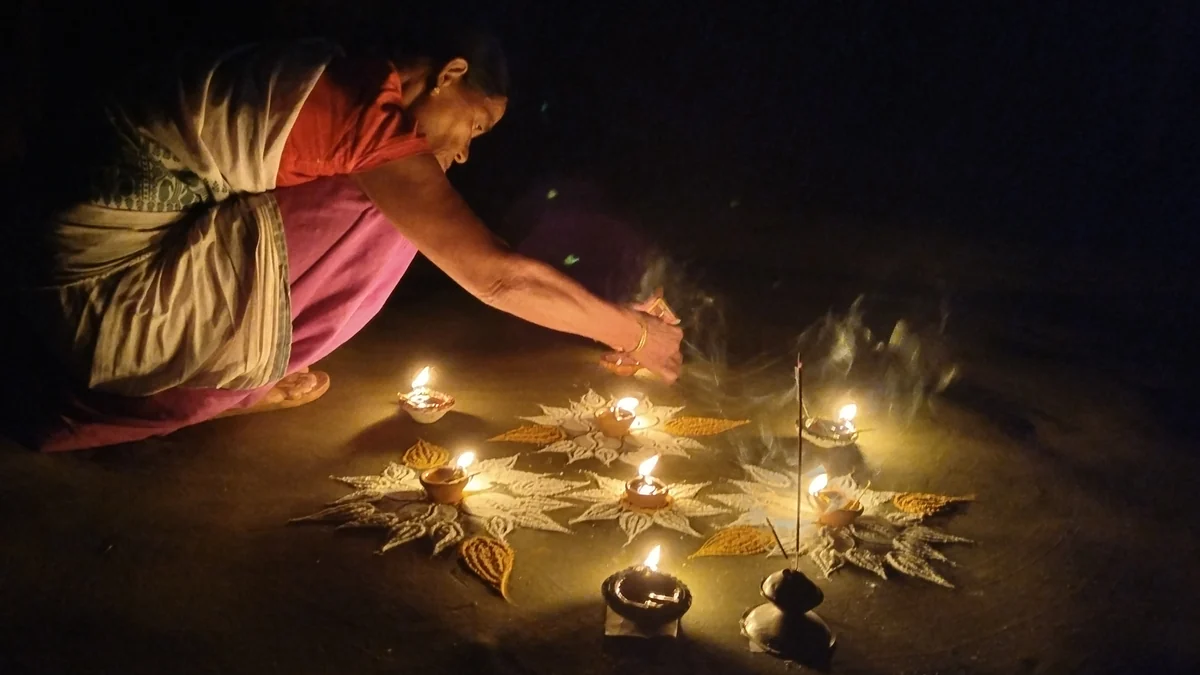
To plan for Diwali 2026 in the United States, use Sunday, November 8, as the date identified by the United Nations Headquarters holiday calendar. The UN itself moves its administrative observance to Monday, November 9. This reference does not determine the schedules of temples, families, universities or community centers: each organizer may choose a nearby date and should be consulted directly.
Which date to use in the United States
The UN Dag Hammarskjöld Library says that “Diwali day” falls on November 8, 2026, while United Nations Headquarters observes it on November 9. The source supports those two dates within the organization’s administrative calendar; it is not an official religious calendar for every US community.
Diwali changes dates on the Gregorian calendar because it follows the Hindu lunar calendar. The Hindu American Foundation (HAF) says the festival usually falls between October and November, while Princeton’s page associates it with the new-moon night of the lunar month of Kartika.
In practical terms, treat November 8 as the Diwali date identified by the UN, but check the chosen community’s official channel for its celebration date. Do not infer times, admission arrangements or programming from that date.
Five days or six named observances?
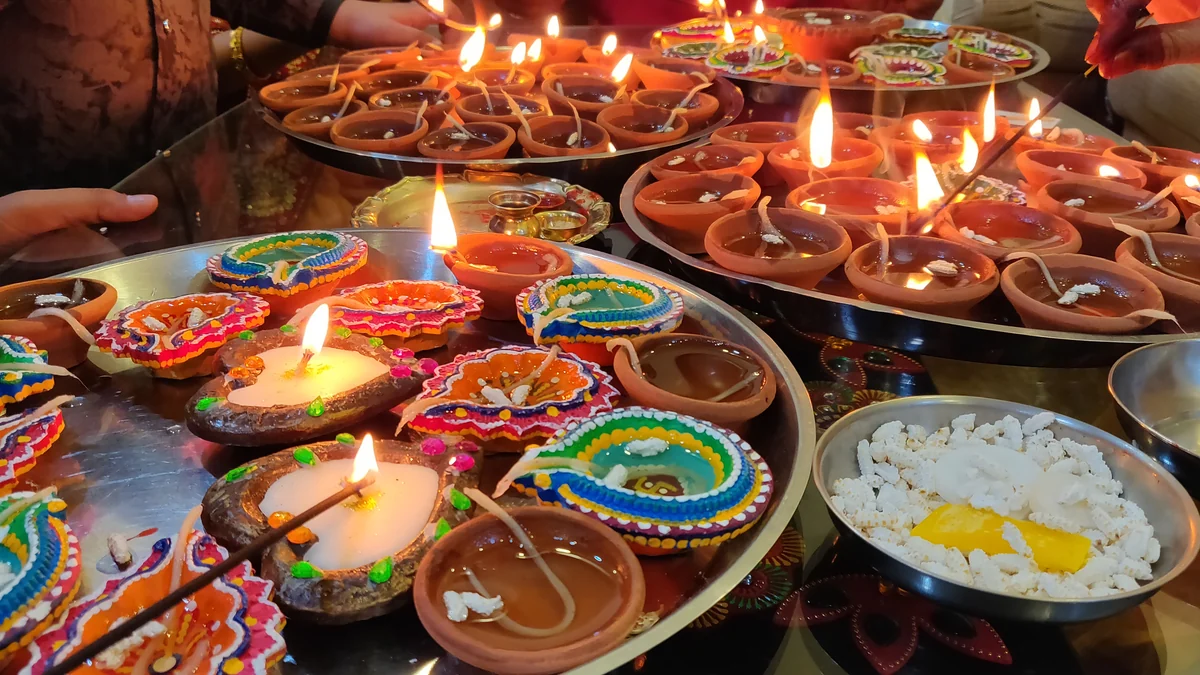
The count requires care. HAF says Diwali is generally celebrated over five days, but the same page presents an expanded sequence of six named observances:
1. Govatsa Dvadashi and Vasu Baras;
2. Dhanteras and Dhanvantari Trayodashi;
3. Naraka Chaturdashi and Choti Diwali;
4. the main day of Diwali;
5. Govardhan Puja and Annakuta;
6. Bhai Beej and Yama Dvitiya.
This does not justify selecting five items arbitrarily. The difference reflects how regional and cultural traditions may define the festive period in different ways. “Diwali” may also refer either to a particular date or to the broader group of celebrations.
The reviewed sources do not assign 2026 Gregorian dates to each of these observances. It would therefore be unreliable to calculate them simply by moving backward or forward from November 8. To follow particular rituals, consult the calendar of the responsible mandir or community.
The meaning of the Festival of Lights
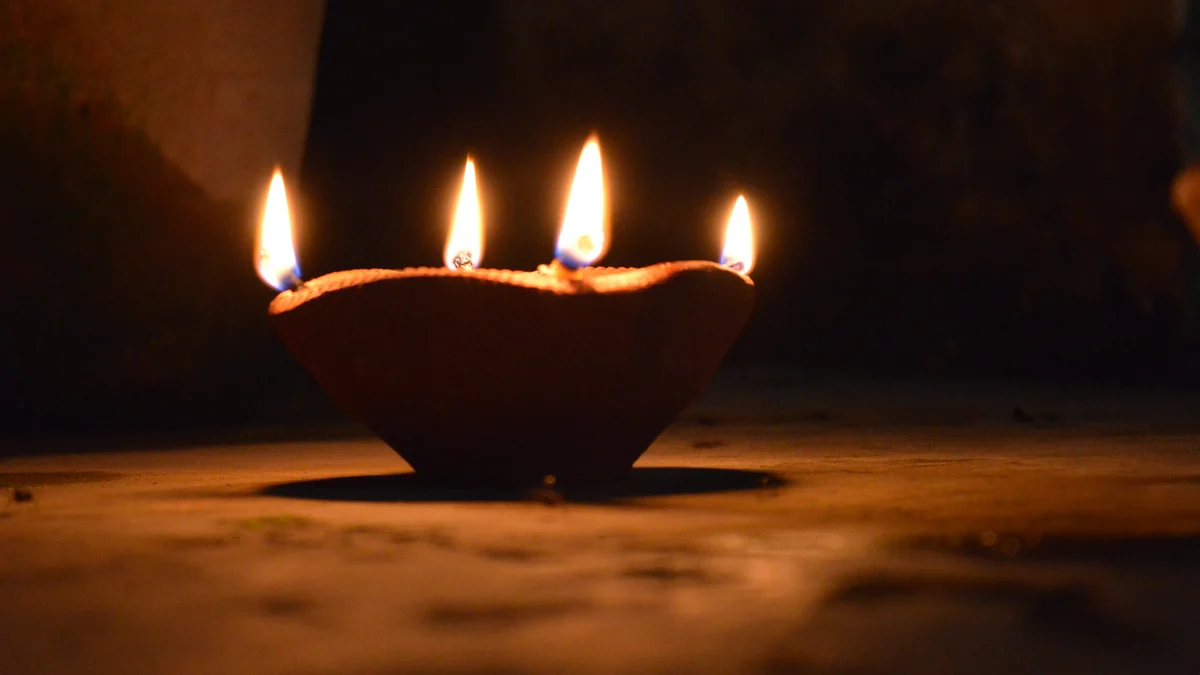
Diwali, also called Deepavali, means “row of lights” in Sanskrit, according to HAF. Diyas—small clay lamps—candles and other lights represent the victory of good over evil, inner light over spiritual darkness and knowledge over ignorance.
Its narratives and practices are not uniform. Many Hindus commemorate the return of Prince Rama, Sita and Lakshman after 14 years of exile; others associate the festival with Krishna’s victory over Narakasura. In some regions, it coincides with the Hindu New Year. Lighting lamps, gathering with loved ones and sharing sweets and food are among the practices described by the foundation.
Hindus, Jains, Sikhs, Buddhists and people of Indian and non-Indian heritage celebrate Diwali through their own histories. That diversity makes it inappropriate to present one narrative as a universal explanation.
How to participate respectfully
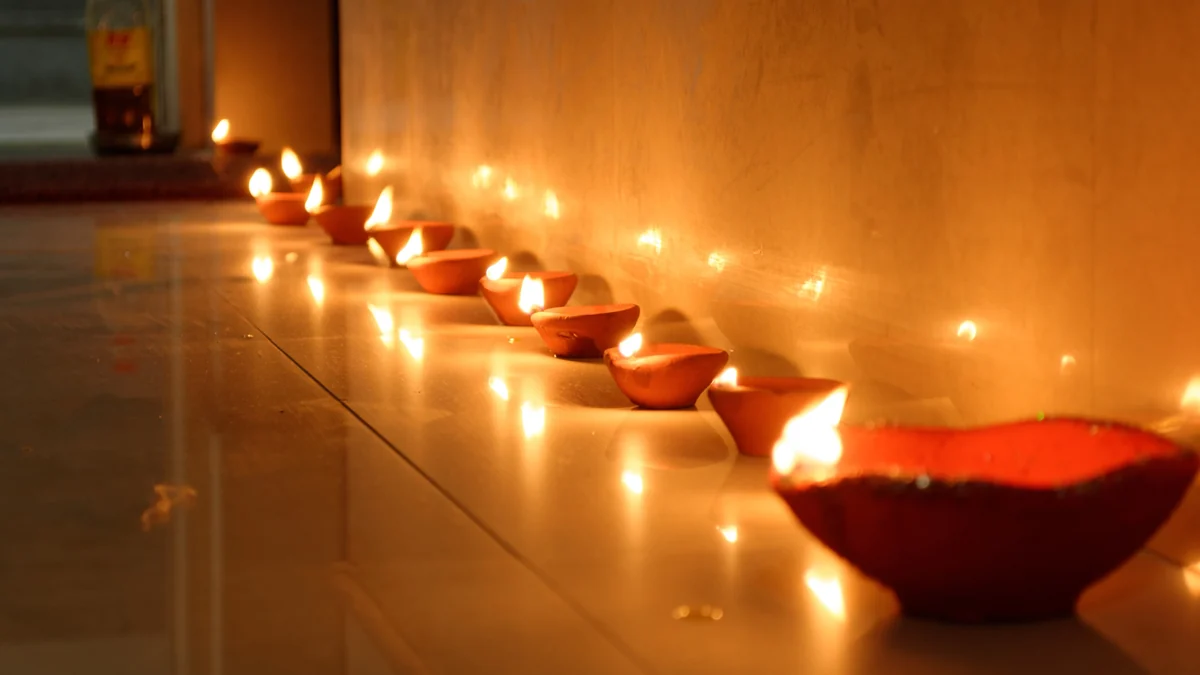
Begin with the host’s guidance. Celebrations may take place in homes, mandirs, community centers and other venues, each with its own rules. During a ceremony, observe before copying gestures and ask before taking photographs, touching objects or entering restricted areas.
The general Diwali at Princeton guide provides useful examples: modest clothing is appropriate, Indian attire is not required and flash photography may be distracting. At the celebration described by the university, visitors are also asked to remain quiet during spiritual moments and silence their phones. These are instructions for that venue, not universal rules; always check the event you plan to attend.
Music, dance, chanting and prayer may be devotional rather than merely recreational. Avoid treating the festival only as a setting for photographs, decorations or food. A simple “Happy Diwali” is a sufficient greeting.
Fireworks and safety
Some celebrations use fireworks, but their presence should not be assumed. In the United States, the Consumer Product Safety Commission advises checking whether fireworks are legal locally and buying only products labeled for consumer use.
The commission says young children should never ignite fireworks, including sparklers; water or a garden hose should be kept nearby; one device should be lit at a time before moving back; and a failed device should never be relit or picked up. Fireworks should not be handled while impaired by alcohol or drugs. Because rules differ by locality, verify current requirements with the relevant authority and follow the organizer’s instructions.
Before attending
Confirm the selected date, whether the gathering is religious or cultural, and its clothing, photography, admission and safety rules. Princeton explains that its public celebration may take place on a different day from family observance, illustrating why “Diwali 2026” in an event name does not guarantee a November 8 gathering.
The soundest preparation combines two attitudes: recognize the date identified by the UN without turning it into a universal calendar, and respect the specific tradition of the host community.
Discover Becoartes
Visit [Becoartes](https://becoartes.com/) at Rua Gonçalo Afonso, 99, Vila Madalena, São Paulo.
Becoartes - Beco do Batman
99 Gonçalo Afonso Street, Vila Madalena, São Paulo
Sources and credits
- Nayan j Nath — CC BY-SA 4.0
- Arnav — CC BY-SA 4.0
- Moneysha26 — CC BY-SA 4.0
- Slyronit — CC BY-SA 4.0
- Hindu American Foundation — página institucional sobre Diwali, sugerida para conferir datas, práticas e terminologia
- U.S. Consumer Product Safety Commission — centro oficial de segurança com fogos de artifício
- https://ask.un.org/faq/112514
- https://diwali.princeton.edu/about/faq/