The player ranked eighth in the Race is not necessarily in the WTA Finals. In 2026, the rules preserve a possible berth for a Grand Slam champion positioned between No. 8 and No. 20. Reading the contest correctly therefore requires separating three things: the world ranking, the season-long Race standings and the effective list of qualifiers.
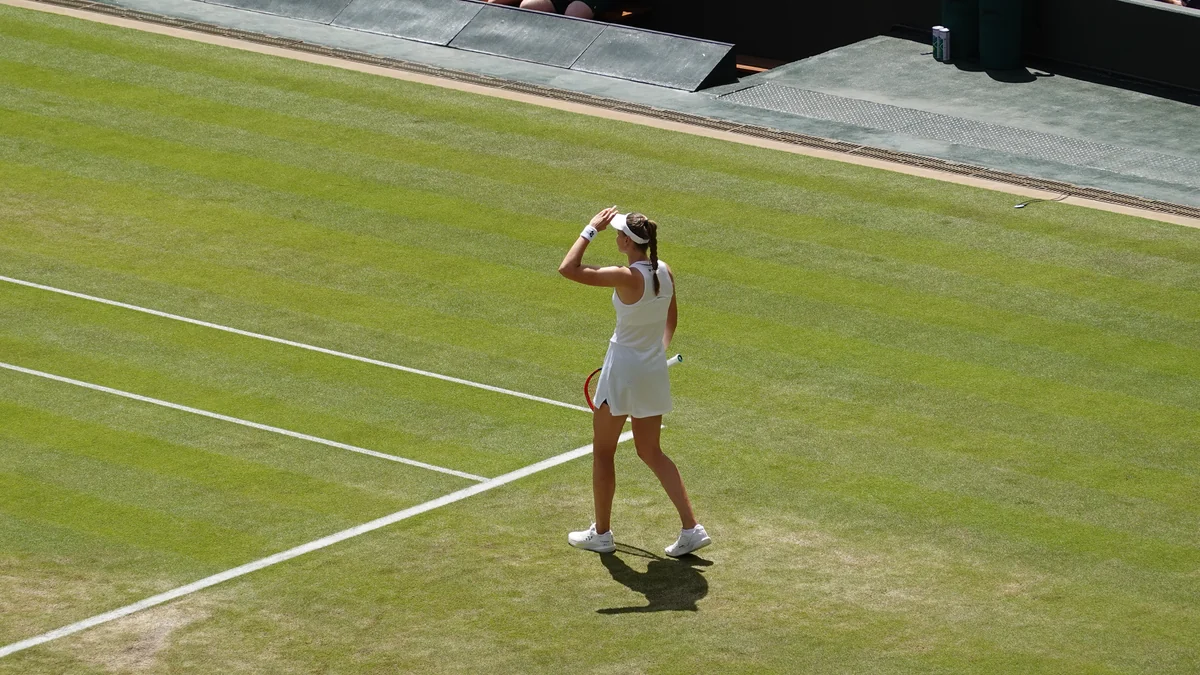
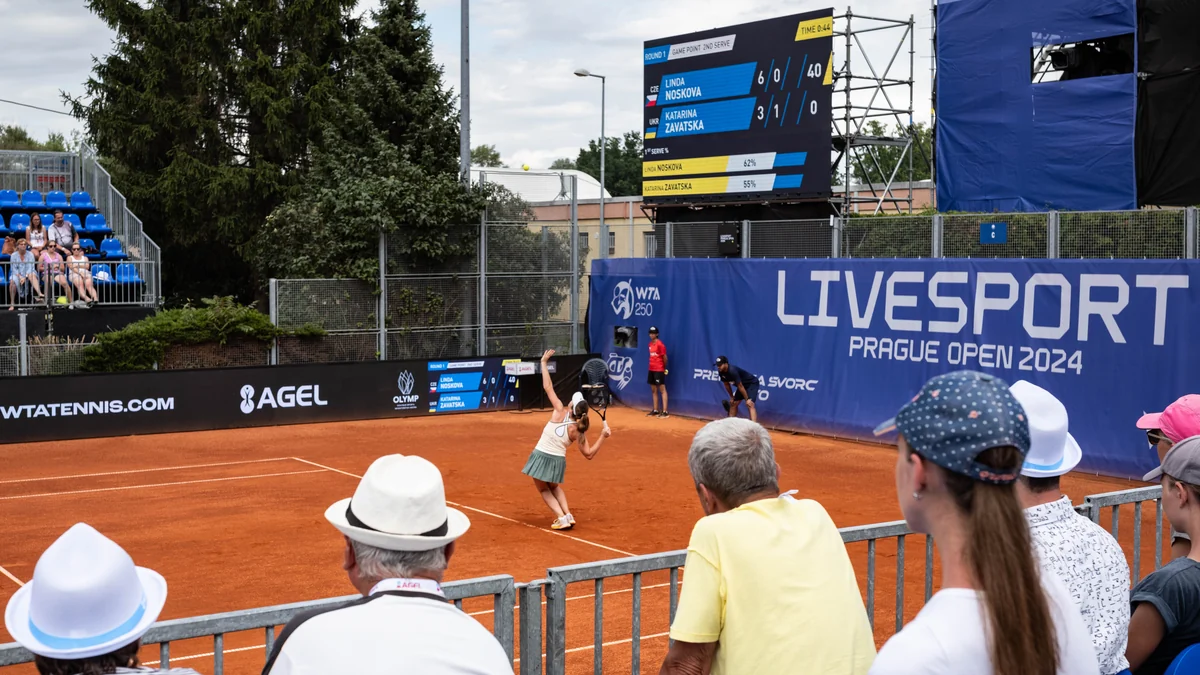
In the WTA update published on September 15, Elena Rybakina was the only officially qualified singles player. Linda Nosková stood eighth, but her status as Wimbledon champion made the picture more complex—and especially useful for understanding the rule.
The world ranking and the Race are not the same table
The world ranking and the Race can show different positions because they serve different purposes. To follow the Finals, the relevant reference is the Race to the WTA Finals, which organizes eligible results from the season and determines who can reach the year-end tournament.
A position displayed beside a player’s name in a world-ranking story should therefore not be transferred automatically to the Race. The safest method is to open the dedicated Race standings and also check whether the WTA has marked a player as officially qualified.
The official picture on September 15 had Rybakina leading with 7,492 points, followed by Aryna Sabalenka, Jessica Pegula, Coco Gauff, Mirra Andreeva, Elina Svitolina, Karolina Muchova and Nosková.
Why eighth place may not secure the berth
In singles, the top seven players in the Race qualify automatically. The eighth berth goes to the highest-placed Grand Slam champion who stands between No. 8 and No. 20 and has not already qualified. If no eligible champion is in that range—or if all four major champions are already in the top seven—the No. 8 player receives the place.
This detail prevents a purely numerical reading. On September 15, Nosková was No. 8 and the Wimbledon champion. According to the WTA’s analysis, she would remain in a favorable position if she finished from eighth through 20th, provided French Open champion Andreeva ended the Race inside the top seven. Rybakina, identified in the same update as the Australian Open and US Open champion, had already qualified.
The provision should be checked again through the WTA’s official rules page, particularly before treating any projection as a final result.
How to read the bubble without manufacturing certainty
In the September 15 snapshot, Marta Kostyuk was ninth with 3,850 points and Iga Swiatek tenth with 3,584. The WTA identifies positions 9 and 10 as alternate places, but the order could still change: two WTA 1000 tournaments remained, alongside WTA 500 and 250 events.
A useful update should record the table’s date, compare the points gaps and check the status of the Grand Slam champions. It is not enough to say that somebody is “in” after moving to eighth. The next questions are whether an eligible major champion sits between No. 8 and No. 20 and whether the seven automatic berths are settled.
It is equally important to distinguish “would qualify if the tournament started today” from “officially qualified.” The former is a simulation; the latter depends on WTA confirmation.
Doubles follows the same logic
The exception also applies in doubles: the top seven teams qualify automatically, while the last berth may go to the highest-placed Grand Slam-winning partnership between No. 8 and No. 20 that has not otherwise qualified.
As of September 15, Taylor Townsend and Katerina Siniakova, Gabriela Dabrowski and Luisa Stefani, and Aleksandra Krunic and Anna Danilina were confirmed. Nicole Melichar-Martinez and Cristina Bucsa occupied eighth, with Shuko Aoyama and Liang En-Shuo ninth and Olivia Nicholls and Tereza Mihalikova tenth. As in singles, a provisional position does not automatically equal a final berth.
What happens after qualification
The 2026 WTA Finals is scheduled for November 8–15 on the hard courts of the Indian Wells Tennis Garden in California. The event brings together eight singles players and eight doubles teams.
In each draw, the participants are divided into two groups of four. The leading two players or teams from each group advance to the knockout stage. The singles winner receives the Billie Jean King Trophy; the winning team earns the Martina Navratilova Trophy. Dates and other conditions may change, so consult the official page before making plans.
Indian Wells in 2026, Charlotte from 2027
The announcement made on September 16 does not change the current edition: Indian Wells remains the 2026 host. The WTA said the Finals will move to Spectrum Center in Charlotte, North Carolina, from 2027 through 2029, and that its global headquarters will also relocate to the city. The release mentions additional programming at the Charlotte Convention Center in 2027 but leaves further details to later announcements.
The move to Charlotte provides institutional context, not an independent measurement of worldwide popularity. To follow 2026 without mixing up the signals, focus on dated Race standings, the champions’ exception and official confirmations.
To continue the conversation around sport and culture in São Paulo, Becoartes is at Rua Gonçalo Afonso, 99, Vila Madalena. Before visiting, check the latest information on the official Becoartes website.
Continue with Becoartes
Find Becoartes at Rua Gonçalo Afonso, 99, Vila Madalena, and consult its official website before visiting.
Becoartes - Beco do Batman
99 Gonçalo Afonso Street, Vila Madalena, São Paulo