Anyone watching English football in 2026/27 may encounter three different counts. A substituted player has ten seconds to leave; a goalkeeper has eight seconds to release a ball controlled with the hands; and, under a trial adopted in England, a goalkeeper-injury stoppage can leave that team one outfield player short for one minute after play restarts.
The measures do not have the same reach. The first forms part of the 2026/27 Laws of the Game. The second is an international rule already applied in England during the previous season. The third is an experimental protocol authorised in part of English football—not evidence of a worldwide trend.
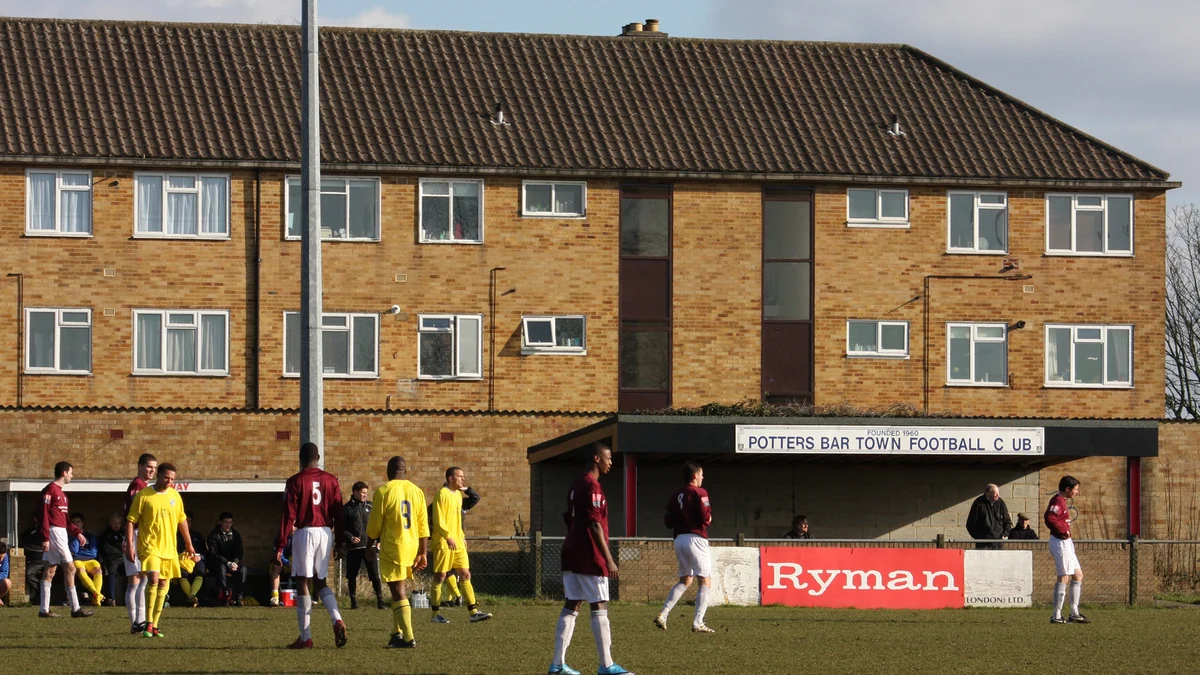
The three counts at a glance
| Situation | Count | Consequence | Exception or condition | Scope |
|---|---:|---|---|---|
| Leaving during a substitution | 10 seconds | The substitute waits for the first stoppage after one minute has elapsed | Safety or injury may prevent an on-time exit | 2026/27 Law of the Game |
| Goalkeeper controls the ball with the hands | 8 seconds | Corner kick to the opponents | Control must exceed the limit | International rule |
| Play stops for a goalkeeper injury | 1 minute after the restart | An outfield player from the team remains off | Medical, collision and foul exceptions apply | Trial in covered English competitions |
None of these measures requires an electronic timer to be displayed to spectators.
Ten seconds to leave during a substitution
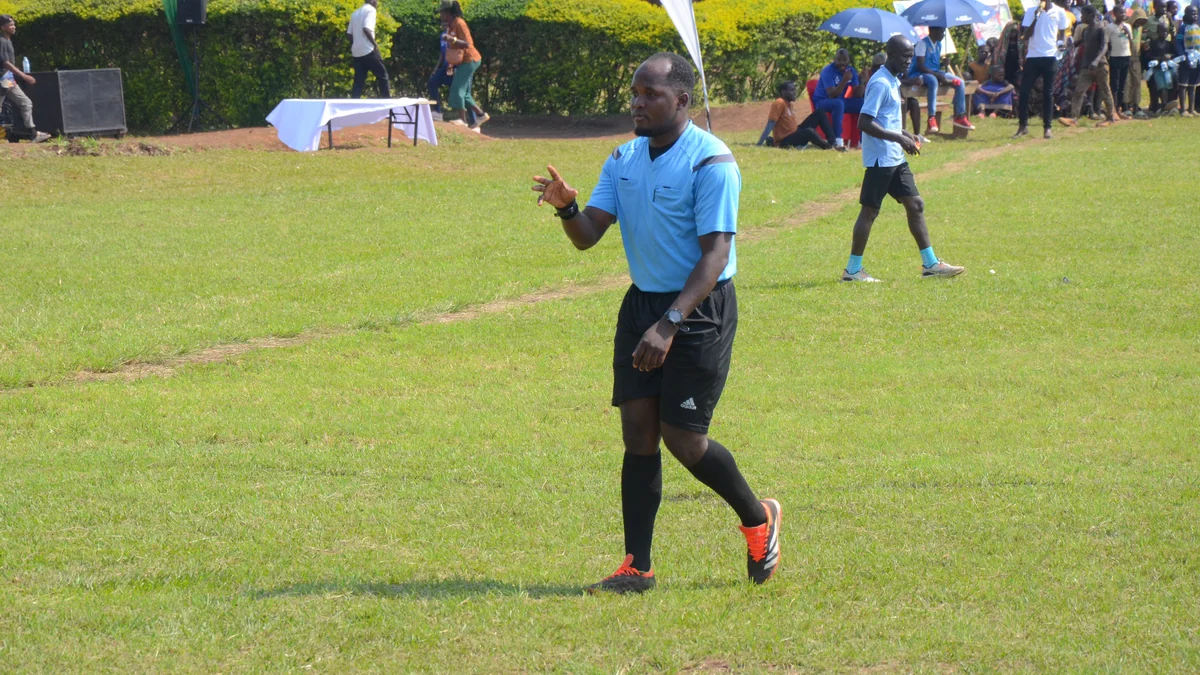
Under the IFAB’s official 2026/27 changes, the player being replaced must leave within ten seconds of the substitution board being shown—or the referee’s signal where there is no board. With multiple substitutions at the same stoppage, all departing players must leave within ten seconds of the final indication.
Without a safety or injury justification, a player who exceeds the limit must still leave, but the substitute cannot enter immediately. Play restarts, and the change cannot be cancelled or reassigned to another substitute. Entry is permitted, with the referee’s approval, only at the first stoppage after one running minute has elapsed since the restart.
A yellow card is not automatic. A caution applies if the player excessively delays the restart beyond the ten seconds. For viewers, the substitute’s wait is the most visible consequence.
Eight seconds end in a corner
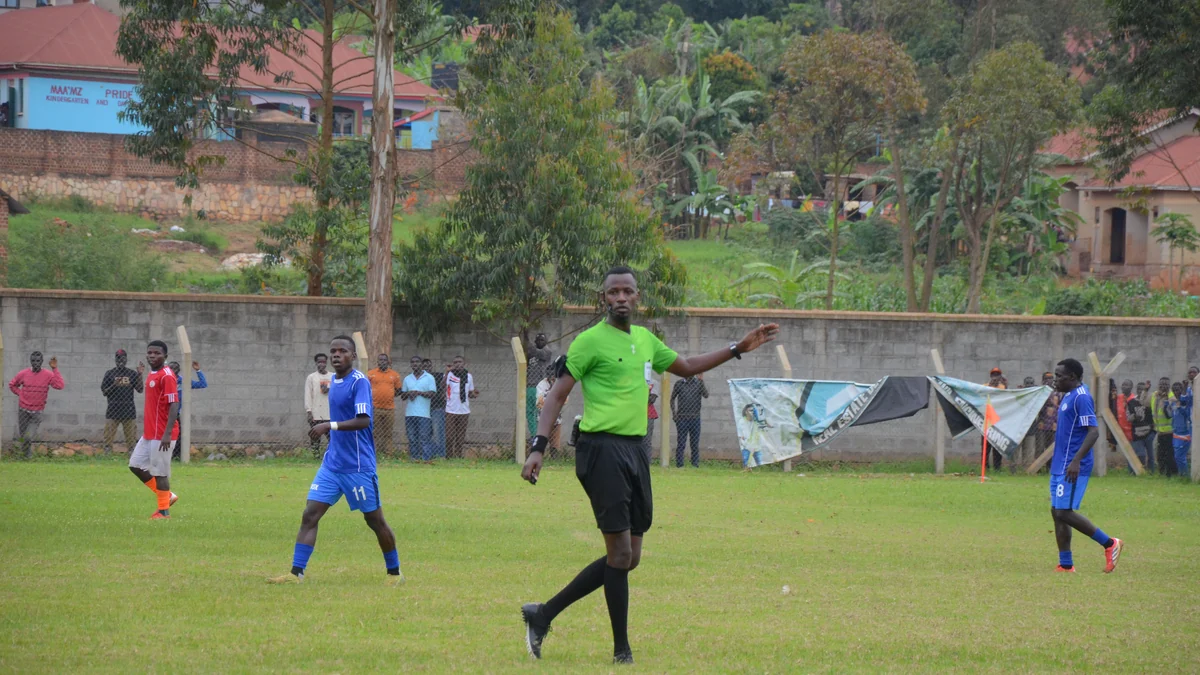
The second rule applies while a goalkeeper controls the ball with the hands inside their own penalty area. If it is not released within eight seconds, the opponents receive a corner kick, according to the IFAB guidance on excessive holding.
The Football Association says the rule had already been implemented in the season before the 2026/27 campaign. It also announced a five-second count as a management tool when throw-ins or goal kicks are unfairly delayed. That guidance should not be confused with the specific eight-second offence.
The key when watching a broadcast is whether the goalkeeper retains manual control for too long. In that case, the consequence is a corner—not an indirect free kick or a teammate’s temporary removal.
Why an outfield player leaves
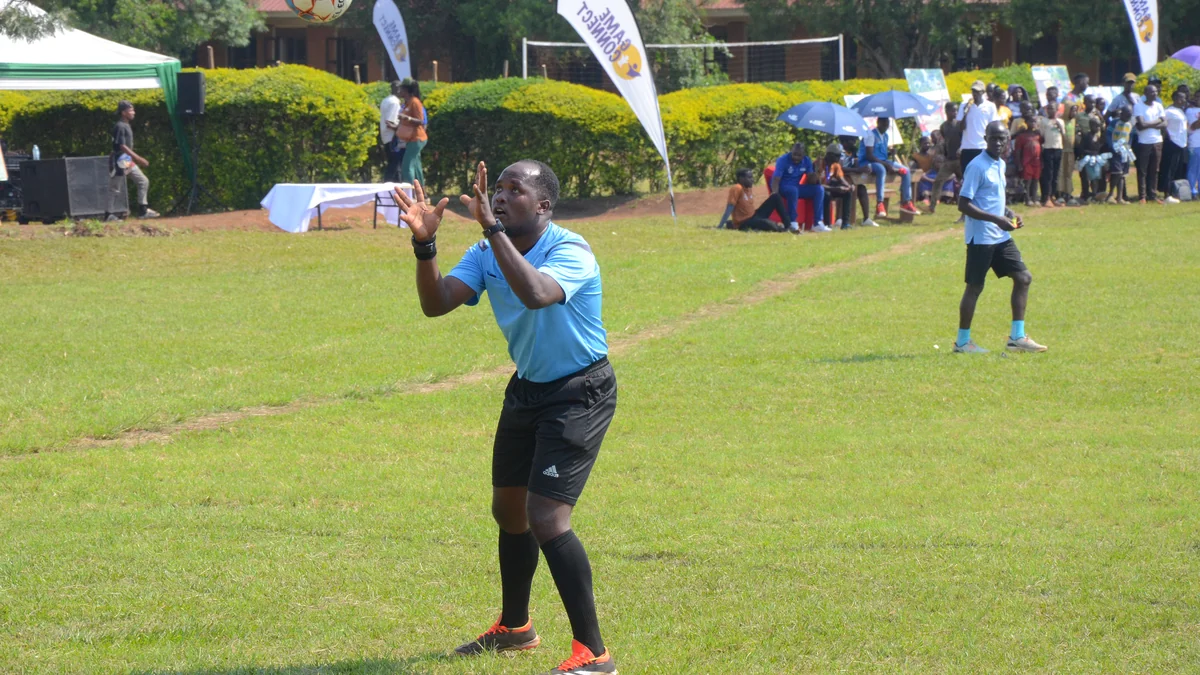
The third mechanism is intended to discourage stoppages used to disrupt the tempo or relay instructions. Under the IFAB experimental protocol, an outfield player from the same team must leave if play stops for an actual or suspected goalkeeper injury, or if the referee allows medical staff to enter.
England adopted the version in which the coach nominates the player. There are ten seconds to choose; without a nomination, the captain automatically leaves. The player remains off until play has restarted and one running minute has passed. Returning requires the referee’s permission: from the touchline while the ball is in play, or from any boundary line when it is out of play.
If the goalkeeper needs further treatment before the minute ends, the count restarts at the next resumption. The protocol does not presume simulation: it preserves treatment while seeking to remove any tactical benefit from the pause.
Exceptions and the English scope
No player is required to leave in situations including a severe injury, especially a head injury, cardiac problem or life-threatening event; bleeding; a collision in which the goalkeeper and an outfield player both need attention; or a physical offence against the goalkeeper that results in a free kick and requires immediate care.
The FA describes the English implementation in the men’s and women’s professional game, with no application below Step 2 of the men’s National League. Pro Ref, the FA, Premier League, EFL, WSL Football and the National League collectively supported the trial.
That approval does not make the protocol a worldwide rule. Other competitions must apply to IFAB through their association or confederation, follow the procedure in full and provide data for evaluation.
How to tell the scenes apart
A substitution board followed by a slow exit points to ten seconds. A goalkeeper holding the ball points to eight. Treatment of the goalkeeper followed by a teammate leaving indicates the English trial.
In both one-minute situations, the count begins after the restart. The difference is that, after a delayed substitution, the substitute waits for the next stoppage; in the medical trial, the player may return while the ball is in play with permission.
Protocols and competition choices may change. Check the official IFAB and FA pages before applying this explanation to another tournament.
Continue the conversation at Becoartes
After the match, Becoartes is at Rua Gonçalo Afonso, 99, Vila Madalena. Check current information on the [official website](https://becoartes.com/).
Becoartes - Beco do Batman
99 Gonçalo Afonso Street, Vila Madalena, São Paulo