Brentford v Chelsea is the two clubs’ final fixture before an unusual interruption early in the English season. This is not an isolated postponement: 2026 introduces FIFA’s expanded men’s international window, lasting 16 days and providing space for up to four national-team matches. For the Premier League, the reserved period runs from 21 September to 6 October; Chelsea play again on 10 October.
The interruption can look closer to three weeks because the international window, travel, player release and the scheduling of club rounds do not all finish at the same moment. The precise return date therefore varies by league and team.
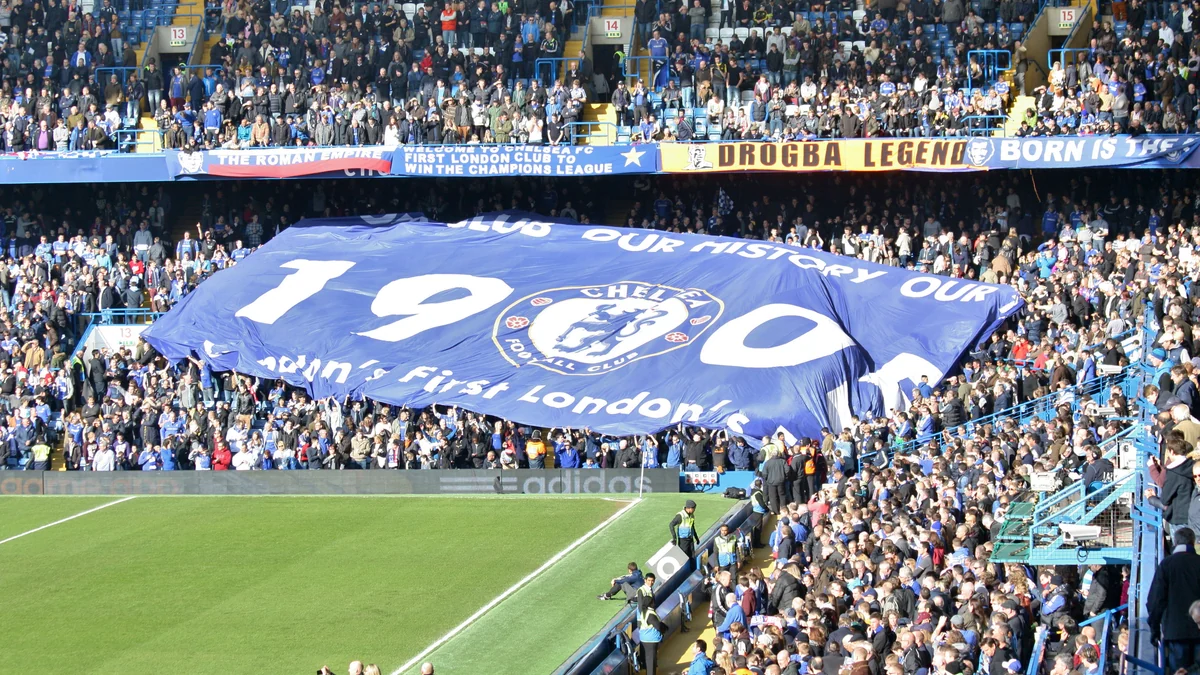
What changes in the 2026 calendar
The men’s calendar approved by the FIFA Council replaces the two separate September and October windows with a single period in late September and early October from 2026. Previously, each window lasted nine days and allowed two matches. The combined block lasts 16 days and accommodates four.
The official FIFA decision also retains nine-day, two-match windows in March, June and November. The long second-half break is therefore not an improvised solution for this season: it belongs to the 2025–2030 men’s international calendar and takes effect in this format in 2026.
“Up to four matches” is a calendar limit, not a promise that every national team will play four times. The actual number depends on the competition, confederation and each team’s schedule.
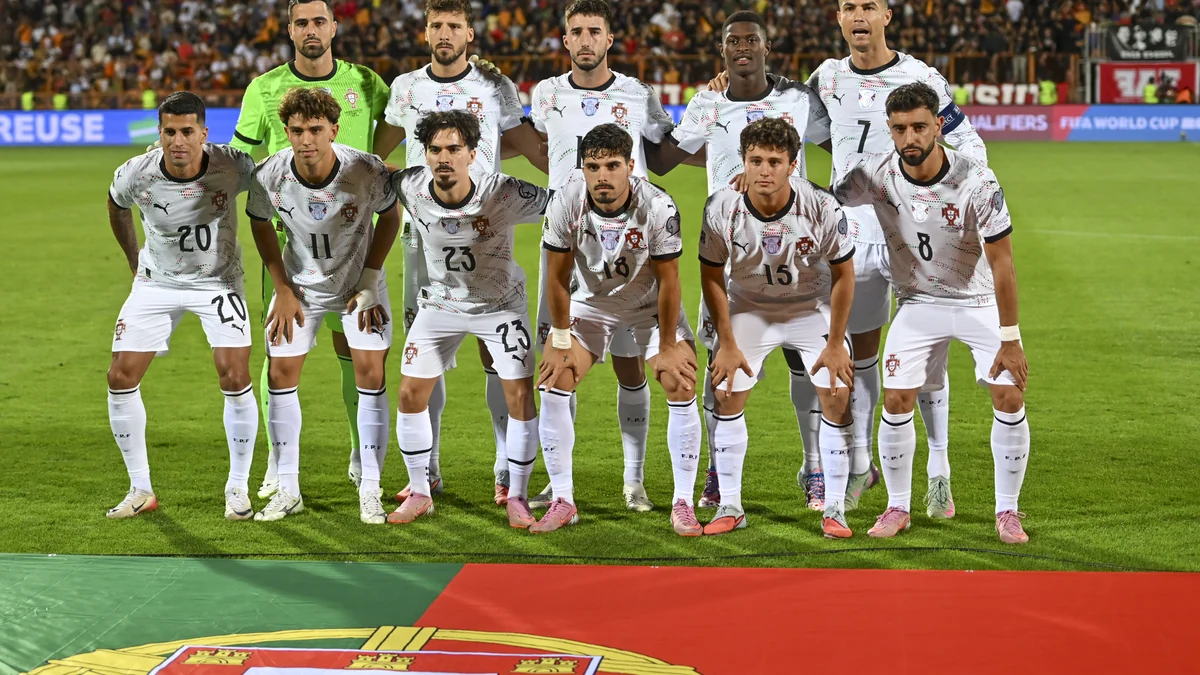
The dates, without confusing the periods
| Stage | Confirmed dates | What it means |
|---|---|---|
| Men’s international window | 21 September to 6 October | Premier League’s stated period, with up to four matchdays |
| FIFA ASEAN Cup | 24 September to 5 October | National-team tournament held within the window |
| Chelsea’s return | 10 October | Home match against Bournemouth, according to the club |
The table separates three details that are often treated as interchangeable. The window is the regulated interval in the international calendar. A competition may occupy only part of it. A club’s return depends on the domestic fixture list built around those dates.
Why Brentford v Chelsea is the farewell fixture
The preview published by Chelsea presents the trip to the Gtech Community Stadium as the fixture preceding a three-week, four-match international break. The club says its football resumes on 10 October, when it hosts Bournemouth.
That explains why supporters following the Blues will not find another team fixture immediately after the west London derby. This reference is specific to Chelsea’s calendar, however. It should not automatically be treated as the return date for every competition or club.
The English schedule itself has several layers. According to the Premier League, FIFA and UEFA international and club dates are added first. FA Cup rounds follow, and only after those protected dates are set does the league map out its own fixtures.
Sixteen days do not mean 16 days of matches
The phrase “16-day window” describes the reserved period, not a daily run of international football. It has room for up to four matchdays, as well as the national teams’ operational needs. This distinction prevents another common misunderstanding: counting from a club’s final match to its return can produce a gap longer than the official window itself.
For 2026/27, the Premier League lists three international blocks: 21 September to 6 October, with up to four matchdays; 9 to 17 November, with two; and 22 to 30 March, also with two. The expanded block therefore concentrates what used to be split between September and October, while November and March remain shorter.
The ASEAN Cup shows how the space can be used
The inaugural FIFA ASEAN Cup provides a concrete, but regional, example of the new structure. FIFA scheduled the tournament from 24 September to 5 October, entirely within the expanded window. Fourteen national teams will participate: all 11 ASEAN members and three guests, arranged across two divisions.
According to FIFA’s announcement, Division 1 will be hosted by Indonesia, with matches in Bandung and Jakarta, while Division 2 will be hosted by Hong Kong, China. The groups use a single round-robin format, and each section winner advances to its division’s final.
The tournament demonstrates that the 16-day block can accommodate an organised competition. It does not show that every national team worldwide will follow the same format. Each region can use the period according to its tournaments and commitments.
What to check before making plans
Before buying a ticket, arranging travel or building a broadcast schedule, consult three levels: FIFA’s international calendar, the league’s official fixture list and the club’s page. The window shows when players may be with their national teams; only the competition and club confirm when a particular side returns.
Sporting dates can still change. Before making a decision, check the official links from FIFA, the relevant league and clubs. In São Paulo, the conversation around football and culture can continue at Becoartes, Rua Gonçalo Afonso, 99, Vila Madalena; confirm current contact information on the official website.
Football and culture at Becoartes
Visit Becoartes at Rua Gonçalo Afonso, 99, Vila Madalena, and confirm current information on the official website.
Becoartes - Beco do Batman
99 Gonçalo Afonso Street, Vila Madalena, São Paulo
Sources and credits
- Gareth Williams from Redhill, England — CC BY 2.0
- YantsImages — CC BY-SA 4.0
- FIFA — decisão que instituiu a janela masculina de 16 dias e quatro partidas a partir de 2026
- Premier League — calendário 2026/27 e pausa de 21 de setembro a 6 de outubro
- Chelsea FC — Brentford x Chelsea e a retomada do clube em 10 de outubro
- FIFA — ASEAN Cup marcada dentro da nova janela, entre 24 de setembro e 5 de outubro