Flying to a K-pop concert with your light stick? Begin by identifying exactly what powers it. Removable AA or AAA cells, a rechargeable lithium battery and a power bank should not be treated as the same item. Then check the airline, airport security authority and arena separately. Permission to take something onto an aircraft does not guarantee admission to the event.

Start with the model, not its appearance
Two similar-looking light sticks may use different power sources. Open the compartment or consult the manual and record the device model, battery type and quantity and, for a rechargeable battery, its watt-hour (Wh) rating. Do not infer the chemistry from the shape alone.
IATA says that flying with lithium batteries depends on their configuration and, as applicable, the Wh rating or lithium content. This distinction matters because a light stick powered by ordinary removable cells is not automatically equivalent to an accessory with an integrated lithium battery.
If the label has faded or the manual does not identify the battery chemistry, find the manufacturer’s official documentation before travelling. Keeping a screenshot on your phone may help explain the object during screening, but it does not replace the decision of the airline or local authority.

Installed cells and spare batteries
IATA’s international guidance states that spare lithium batteries are not allowed in checked baggage. It also says that battery-powered equipment may travel when the applicable requirements are met and the batteries are sufficiently protected against short circuits. Limits and possible approvals depend on the battery and operation, so consult IATA’s passenger guidance and the operating airline’s policy for every flight.
In practical terms, keep removable cells away from coins, keys and other metal. Use their original packaging, individual cases or another cover that prevents terminal contact. Switch the light stick off and prevent its button from being pressed inside the bag. These steps make screening more orderly and reduce accidental activation; they do not create permission where a local rule prohibits the item.
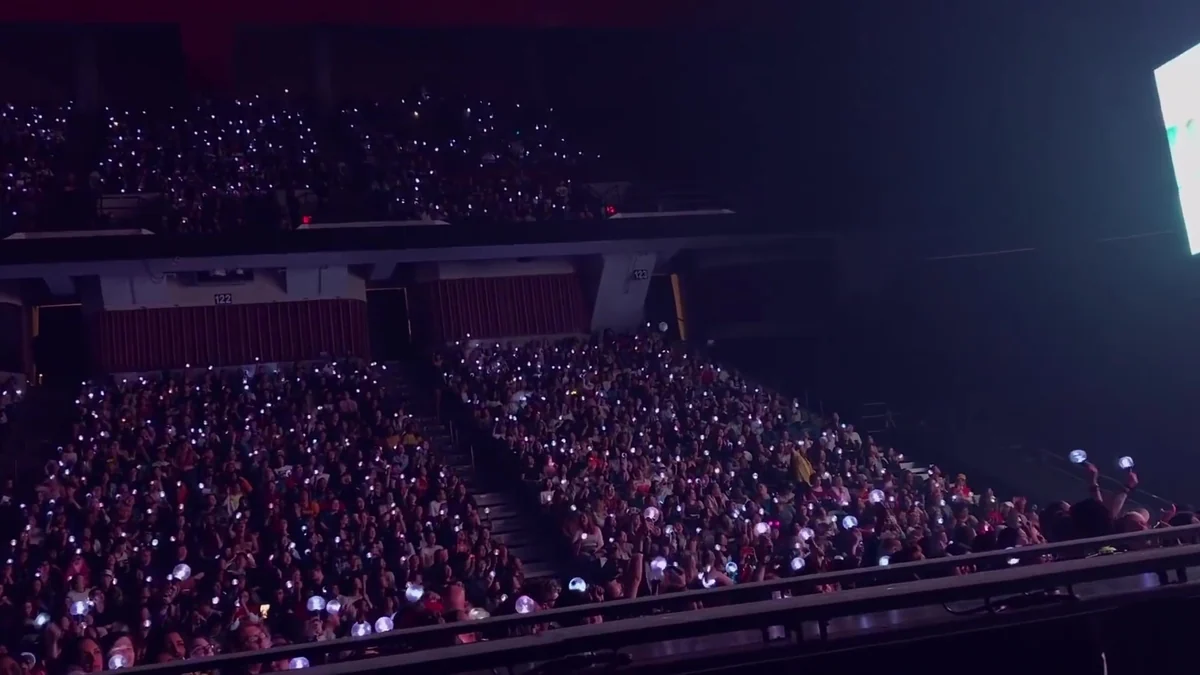
A power bank is more than just a charger
If you intend to recharge your phone while waiting in line, treat the power bank separately from the light stick. In the United States, the TSA requires power banks containing lithium-ion batteries to travel in carry-on bags, not checked bags. The page, last updated on May 14, 2025, also notes that the TSA officer makes the final checkpoint decision.
This is a US rule and should not automatically be generalized to every country. On an international itinerary, check every applicable airline and authority, including those involved in connecting flights. If a carry-on is taken at the gate for checking, tell the staff that it contains batteries or a power bank and follow their instructions.
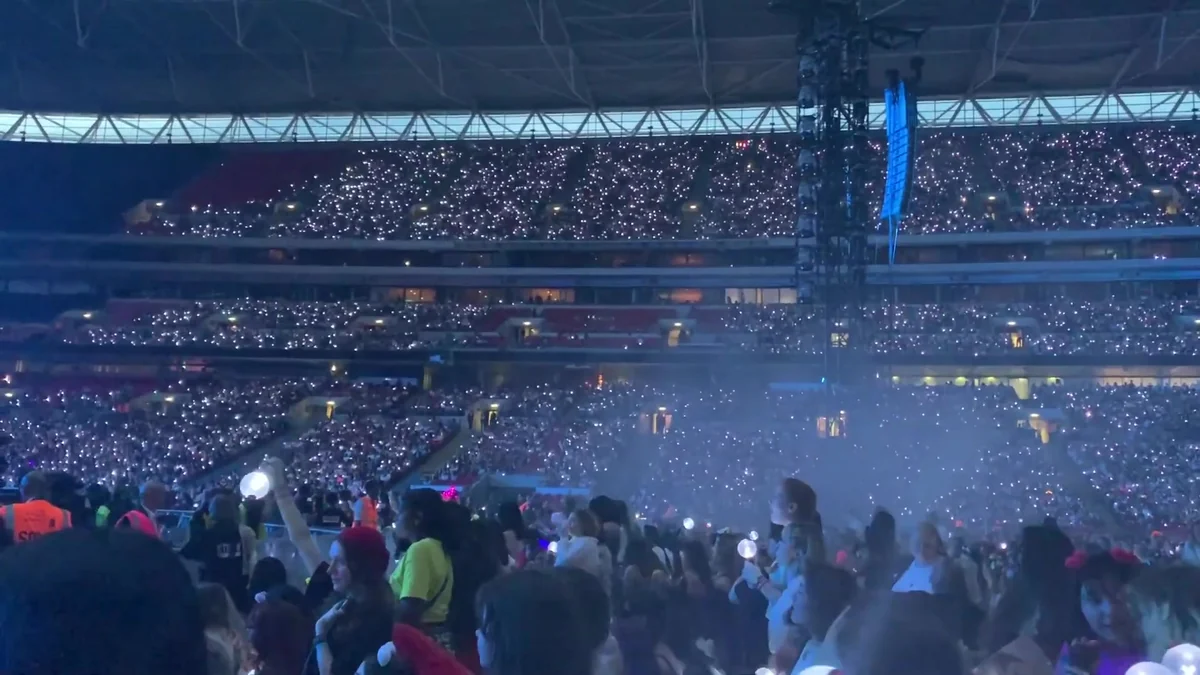
Prepare the light stick for screening
Keep the object accessible instead of burying it under clothes. A transparent or easily opened case lets you present the light stick body, cells and cable separately. Do not offer a technical explanation that you cannot support: show the device, its label and its manual if asked.
According to IATA, unusual quantities of electronic equipment may lead to extended security checks. Clearly identified components and protected terminals make the bag’s contents easier to understand. If the airline requires approval for a particular battery, contact it in advance and keep its response available during the journey.
The arena makes a different decision
Aviation security considers carriage on the aircraft; the concert organizer and arena control entry to the event. They may set their own policies for dimensions, accessories, stick-shaped objects, loose batteries and bags. A light stick accepted at an airport checkpoint may therefore still be refused at the concert entrance.
Check the event’s official page close to the date and once more before leaving. Look for prohibited-item and bag policies, as well as notices from the promoter, official ticket seller and arena. Determine whether official models or versions from other groups are treated differently, but rely on that distinction only when it is expressly published. An old post from another concert does not confirm the current policy.
A checklist for every leg
Record the light stick model, battery type, Wh rating when shown, airline rule, airport or national guidance and arena policy in one note. Save the official links because conditions may change. Repeat the checks for the return journey: a different airline, airport or itinerary change may bring different institutions into the trip.
The safest principle is straightforward: identify, protect and confirm. IATA supplies an international reference, but the airline applies flight conditions; the security authority decides at the checkpoint; and the event controls its doors. Treating these three checks independently prevents an answer valid in one context from becoming a promise about another.
A cultural stop in São Paulo
Before or after your trip, visit Becoartes at Rua Gonçalo Afonso, 99, Vila Madalena. Check the Becoartes official website for current information.
Becoartes - Beco do Batman
99 Gonçalo Afonso Street, Vila Madalena, São Paulo
Sources and credits
- LG전자 This file comes from LG Electronics's official Flickr. This tag does not indicate the copyright status of the attached work. A normal copyright tag is still required. See Commons:Licensing. — CC BY 2.0
- Kissing Light — CC BY 4.0
- NamiiCho — CC BY 3.0
- NenehTrainer — CC BY 3.0
- IATA — orientação oficial sobre bagagem de passageiros e baterias (URL candidata; leitura não realizada)
- IATA — página oficial sobre baterias de lítio (URL candidata; leitura não realizada)
- TSA — baterias externas e carregadores portáteis (URL candidata; leitura não realizada)