The fines announced on November 25 against three fragrance suppliers were not just about bottles of perfume behind a shop counter. The European Commission imposed €471.9 million in penalties on Firmenich, Givaudan and International Flavors & Fragrances, known as IFF. The UK competition authority separately fined the same groups £85.156 million. The case drew attention in France as the “perfume cartel”. The products at issue include fragrance compounds used in shampoo, laundry detergent and household cleaners as well as in fine perfumery.
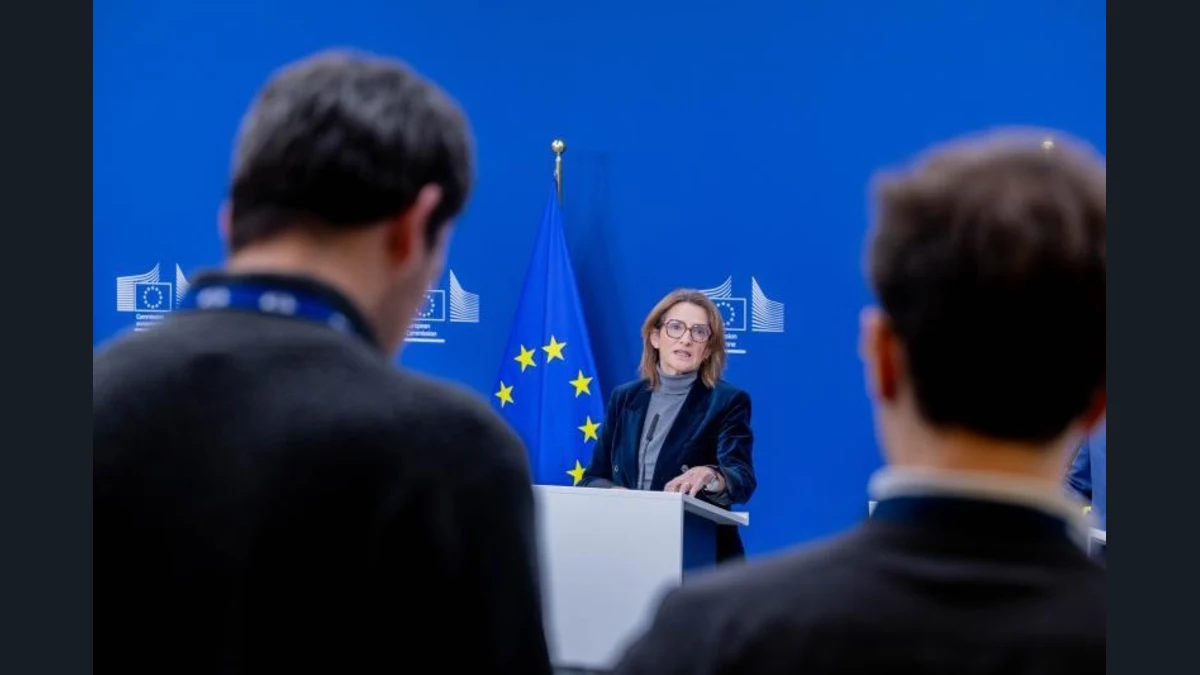
The negotiation happens before the product reaches the shop
A soap brand does not have to make its own scent. It can commission a fragrance from a specialist, negotiate the price and quantity, and put the resulting compound into its product. In a competitive market each supplier decides on its own whether to accept a discount request, adjust a specification or pass along changes in energy costs. That negotiation, which is largely invisible to the person buying the soap, is where the authorities looked for evidence.
The European Commission said the three groups shared sensitive information about their commercial relationship with Unilever. The exchanges touched on pricing, negotiating tactics and how to respond to requests for greater transparency about fragrance composition and ingredient costs. The suppliers also agreed not to actively recruit one another’s employees who worked on that account. The decision does not describe a ban covering everyone employed by the three groups. Unilever was the customer in the account at issue, not one of the suppliers fined.

What Brussels and London each found
The European decision covers the European Economic Area and dates the infringement from March 2019 to March 2023. Brussels also identified broader exchanges between Givaudan and IFF about their consumer fragrance businesses and, at times, fine fragrances. The three groups did not take part in all of the same conversations. That is one reason to distinguish the scope of each finding rather than treating “perfume cartel” as an explanation of everything in the case.
The CMA’s press release describes coordination to refuse commercial requests from Unilever, including requests for lower prices. Separately, the authority found exchanges between Givaudan and IFF over the timing and size of general price increases. The Commission carried out unannounced inspections in March 2023, then formally opened proceedings in November 2025. Investigators in different jurisdictions cooperated, but the regulators announced separate decisions and set their own penalties.
Which numbers can and cannot be added together
The European Commission considered factors that included the length and gravity of the conduct and the value of affected sales. The companies acknowledged their participation in the cartel as part of the settlement and received reductions for settlement and cooperation. The British authority said its fines included a 20% settlement reduction as well as separate reductions under its leniency programme. The sums in the announcements are the final fines after reductions, so subtracting those discounts a second time misreads the result.
Givaudan’s own announcement said it accepted the regulators’ findings. The Swiss company’s approximately CHF375 million covers several categories: CHF278 million in payment obligations from regulatory settlements, CHF47 million from a US civil settlement and CHF50 million in provisions. It is a company-level accounting figure, not a third regulatory penalty to add in full to the British and European totals. Those two announcements also use different currencies, so their headline figures are not directly additive without a conversion and a stated exchange rate.
Does the decision show how much shoppers paid?
Coordination can make it harder for buyers to bargain and may increase the cost of an ingredient. Some of that cost may make its way into the price shoppers pay, but no product-level measurement follows from the size of a fine. Packaging, transport, other ingredients and retail margins all matter too. The announcements do not provide a list of shampoo brands, detergents or perfumes with a measured overcharge on the shelf.
Nor do they create an automatic refund for someone who bought a scented product. The Commission explains that its fines go into the EU’s general budget and discusses potential claims for damages separately. Whether there was an infringement, who suffered a loss and how large any loss was are different questions. The decision addresses the first for the conduct and markets it describes. The public material does not establish a household’s individual loss or a standard amount to claim.
Image credits. Images resized, framed with margins and converted to WebP without cropping. © European Union, 2026 / European Commission Audiovisual Service (CC BY 4.0); © European Union, 2026 / European Commission Audiovisual Service (CC BY 4.0).
Sources for this story
Original documents are linked in the article.
Becoartes - Beco do Batman
99 Gonçalo Afonso Street, Vila Madalena, São Paulo