Ghana will chair the council that oversees UN Tourism’s work and budget in 2027. In Abu Dhabi on Wednesday, November 25, member states cast 19 votes for Ghana and 14 for Argentina. Brazil hands over the chair but keeps a place at the head of the table: it will share the two vice-chair positions with Bulgaria. The election did not replace the agency’s Secretary-General, Shaikha Al Nuwais. She was at the meeting to present a reform programme of her own.
The year on the chair’s calendar matters. The United Nations has designated 2027 its International Year of Sustainable and Resilient Tourism. Think of a guide taking visitors around a coastal castle in Ghana or a guest asking a Brazilian restaurant what they can eat. Neither will notice a change at the till because of a vote in the Gulf. But both deal daily with the questions the council can put to governments: what to protect, what information to provide and how to pay for promises made in the name of tourism.
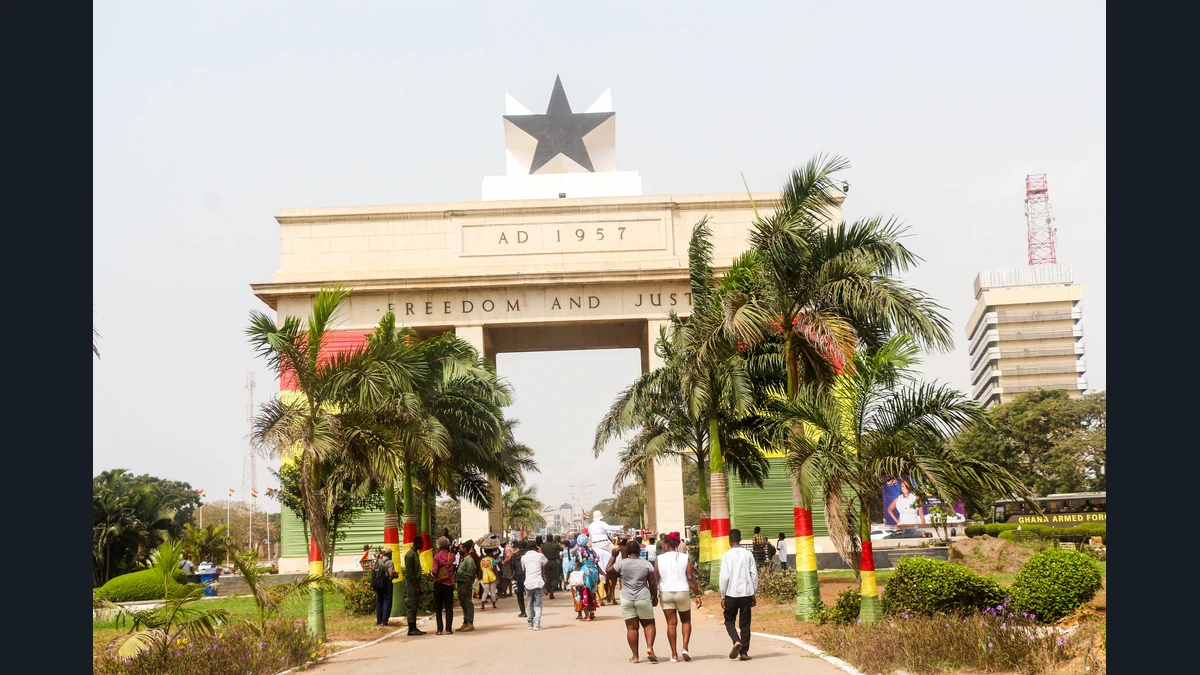
What the ballot actually settled
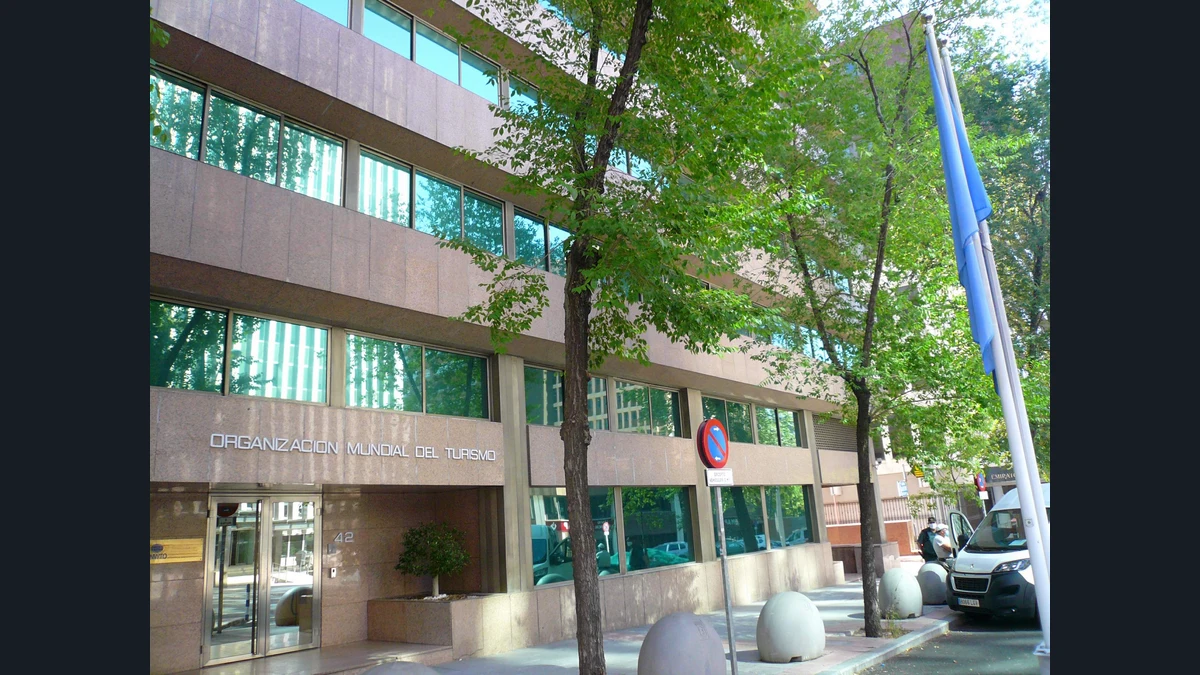
Brazil’s Tourism Ministry identified Ghana’s Minister of Tourism, Culture and Creative Arts, Abla Dzifa Gomashie, as the leader of its bid. The 33 votes decided which country would chair next year’s Executive Council. They were not votes cast by the full United Nations membership. Nor was the location of a headquarters at stake: the United Arab Emirates hosted the session, while the tourism organisation lists its address in Madrid.
The calendar explains how Brazil can leave the chair without leaving the council. According to the council’s own description, membership terms normally last four years and half the seats come up for election every two years, taking regional representation into account. The chair and two vice-chairs, on the other hand, are elected annually. Brazil chaired in 2026 alongside Slovenia and China as vice-chairs. A programme started under one set of officers can continue long after their names have changed on the seating plan.
The coastline behind Ghana’s bid
In Cape Coast and Elmina, the buildings people travel to see need more than signs and ticket offices. Both castles belong to the chain of coastal strongholds inscribed on UNESCO’s World Heritage List. The trading posts were central first to the exchange of gold and later to the transatlantic trade in enslaved people. Explaining that history is essential to a visit. For the people responsible for preserving the buildings, the coastline itself presents another challenge.
Ghana’s plan for tourism, culture and the creative arts names Cape Coast and Elmina castles among the places that need protection against erosion and climate impacts. Those priorities predate the vote. They illustrate a practical distinction: marketing can persuade people to cross an ocean to see a site, but it cannot hold up the ground beneath it. The chair gives Ghana a forum for issues of that kind. It does not mean the council has awarded the castles money to carry out repairs.
What Brazil takes into the new year
One Brazilian responsibility that runs across the handover is the working group on tourism and climate action, which Brazil chairs for 2026–27. A separate initiative discussed in Abu Dhabi gets right down to decisions made by hotels and restaurants: how to welcome Muslim travellers. The approved proposal draws on a Brazilian guide. It addresses food, privacy, places for prayer and the services that guests might need during Ramadan.
For a restaurant, accurately describing the ingredients in a dish is not the same as holding formal halal certification. The ministry’s account of the initiative makes clear that countries can adapt the recommendations and that taking them up is voluntary. The council’s approval has not certified any particular establishment. Its practical value is in helping operators state what they can offer and helping guests ask for what they need without having to guess.
One meeting, several kinds of decision
The Secretary-General’s presentation in Abu Dhabi also dealt with the organisation’s internal workings. She announced a channel for staff to report misconduct with protection against retaliation. This is not a helpline for holidaymakers. The Emirates, meanwhile, proposed a fund to accelerate tourism projects. A proposal at a meeting is not the same as an open application for a local hotel, guide or business.
To follow Ghana’s term, look for the documents that come out of the council’s twice-yearly meetings. A recommendation adopted, money committed and work completed are three separate stories. For visitors and residents on the Ghanaian coast, the eventual test will be easier to recognise than a diplomatic scoreline: whether the sites remain accessible, whether local people have a say in their care and whether a new generation can still encounter the history that makes the trip worth taking.
Image credits. Images resized, framed with margins and converted to WebP without cropping. Esthee2010 / Wikimedia Commons (CC BY-SA 4.0); Zarateman / Wikimedia Commons (CC0 1.0).
Sources for this story
Original documents are linked in the article.
Becoartes - Beco do Batman
99 Gonçalo Afonso Street, Vila Madalena, São Paulo