France enter the Fiji match at the top of the Northern group. A win would help protect that advantage in the race for the Grand Final; a defeat would give their pursuers an opening. The game alone, however, will not determine France’s opponent in London: that depends on the complete standings after six rounds.
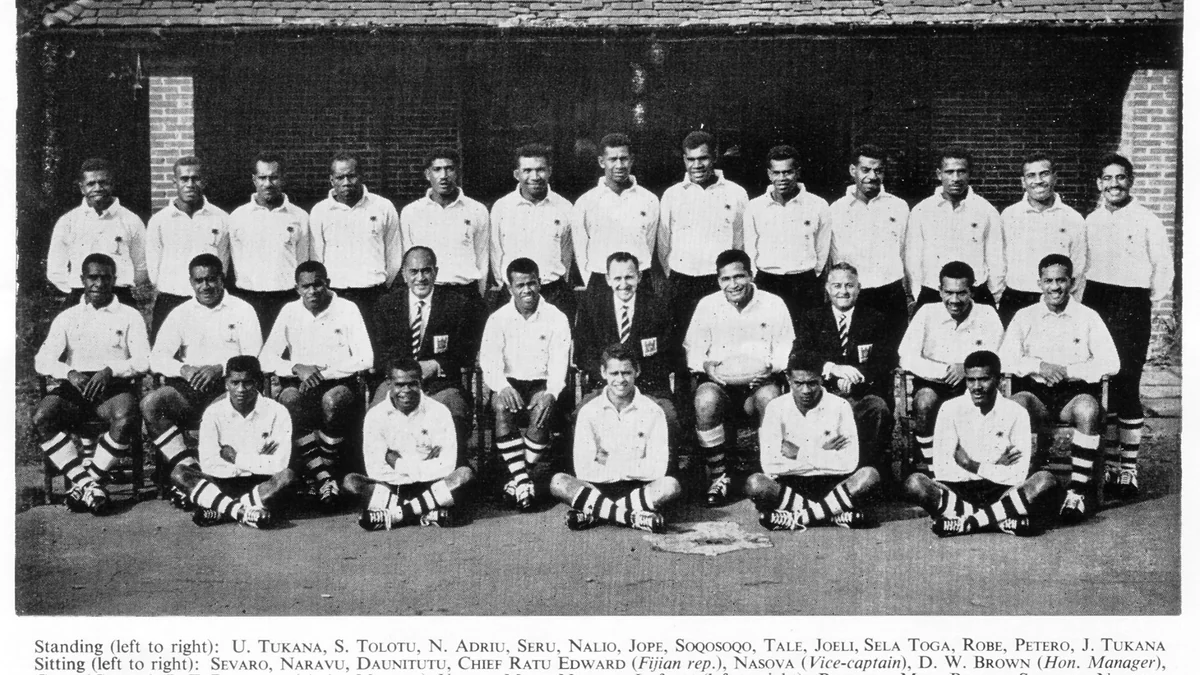
The position before kickoff
After the three July matches, France have 12 points, one more than Scotland and two ahead of England and Ireland. Wales have five and Italy zero. Those figures describe the competition before the November round rather than predict what follows, according to the table published by RugbyOrbit.
France’s margin is narrow. Beating Fiji would therefore protect the lead, but would not mathematically secure first place at the end of the league phase. Results involving the other contenders and each team’s remaining two matches will also matter.
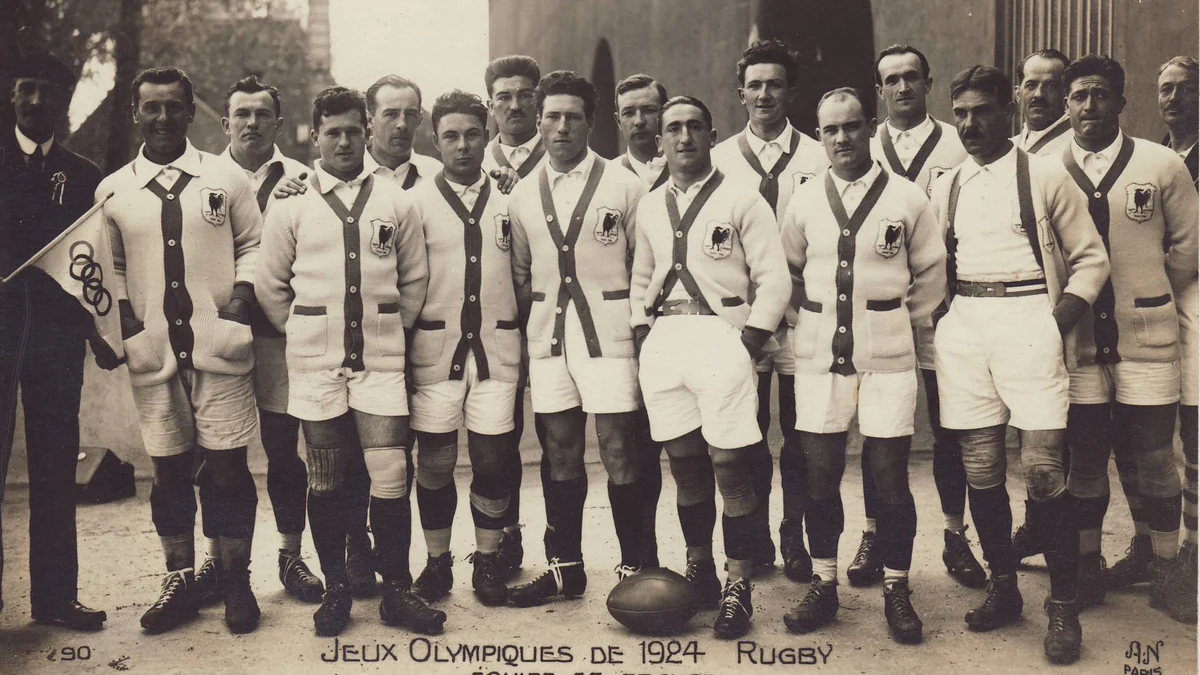
What the result changes
A victory would add to France’s total and make an immediate Northern rival’s overtake harder. A defeat would leave the lead more exposed during this round. France’s new position cannot be established from the France–Fiji score alone, since Scotland, England and Ireland can also collect points.
This is the first of Les Bleus’ three home fixtures in November. The FFR lists France–Fiji for 7 November at 9:10 p.m. French time at Groupama Stadium in Lyon. South Africa follow on 13 November and Argentina on 21 November, both in Saint-Denis. Dates and arrangements may change, so check the official programme.
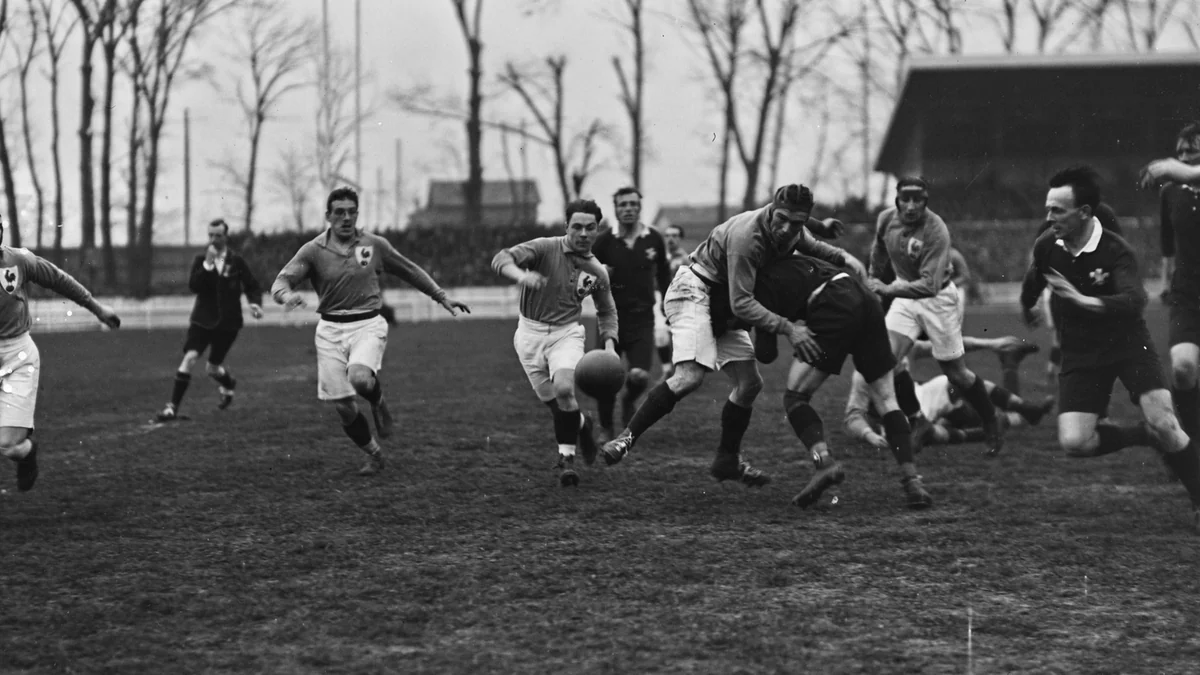
The place that leads to the Grand Final
The format makes every position consequential. After six rounds, the six teams in each hemisphere will be ranked from first to sixth. During Finals Weekend, from 27 to 29 November in London, teams in corresponding positions meet: sixth plays sixth, fifth plays fifth, and so on.
Only the Northern leader faces the Southern leader in the Grand Final. If France finish second, they play the second-placed Southern side; if third, they enter the third-versus-third fixture, with the same rule applying down the table. The official Finals Weekend page sets out that system and six matches at Allianz Stadium.
Tournament standings are not the world rankings
France’s 12 points belong to the Nations Championship table. This table determines the London pairing. The world rankings are a separate system and do not select France’s opponent for Finals Weekend.
That distinction prevents a misleading reading of the weekend: a country can move in the world rankings without holding the equivalent position in its tournament group. To follow France’s route, the relevant measure is the updated Northern table after each round.
When and where the match takes place
France–Fiji is scheduled for Saturday, 7 November 2026, at 9:10 p.m. French time in Lyon. The TF1 Pro listing covers the French broadcast and confirms that Les Bleus begin November atop the Northern group.
The available sources do not confirm a broadcaster for the United States, United Kingdom or Canada. The competitive equation is straightforward: France–Fiji can strengthen or weaken the French lead, but a Grand Final place will only be settled after all six rounds and the other Northern results.
Discover Becoartes
Visit [Becoartes](https://becoartes.com/) at Rua Gonçalo Afonso, 99, Vila Madalena, São Paulo.
Becoartes - Beco do Batman
99 Gonçalo Afonso Street, Vila Madalena, São Paulo
Sources and credits
- Unknown authorUnknown author — Public domain
- Unknown authorUnknown author [A.N.] — Public domain
- Agence Rol — Public domain
- FFR Newsroom — programa das seleções francesas em 2026–2027
- TF1 Pro — ficha oficial da transmissão France–Fidji
- https://nationschampionshiprugby.com/en/finals-weekend
- https://www.leprogres.fr/sport/2026/11/06/calendrier-du-xv-de-france-classements-enjeux-tout-ce-qu-il-faut-savoir-sur-la-fin-du-championnat-des-nations
- https://www.rugbyorbit.com/fr/championnats/internationaux/nations-championship-2026/