The Black Ferns beat France 31–12 on Saturday, October 24, 2026, at Semenoff Stadium in Whangārei. The result alone, however, does not convey France’s resistance: after losing 81–12 in Hamilton, the visitors reached halftime only two points behind. New Zealand extended its lead in the second half and secured victory in its 150th Test.
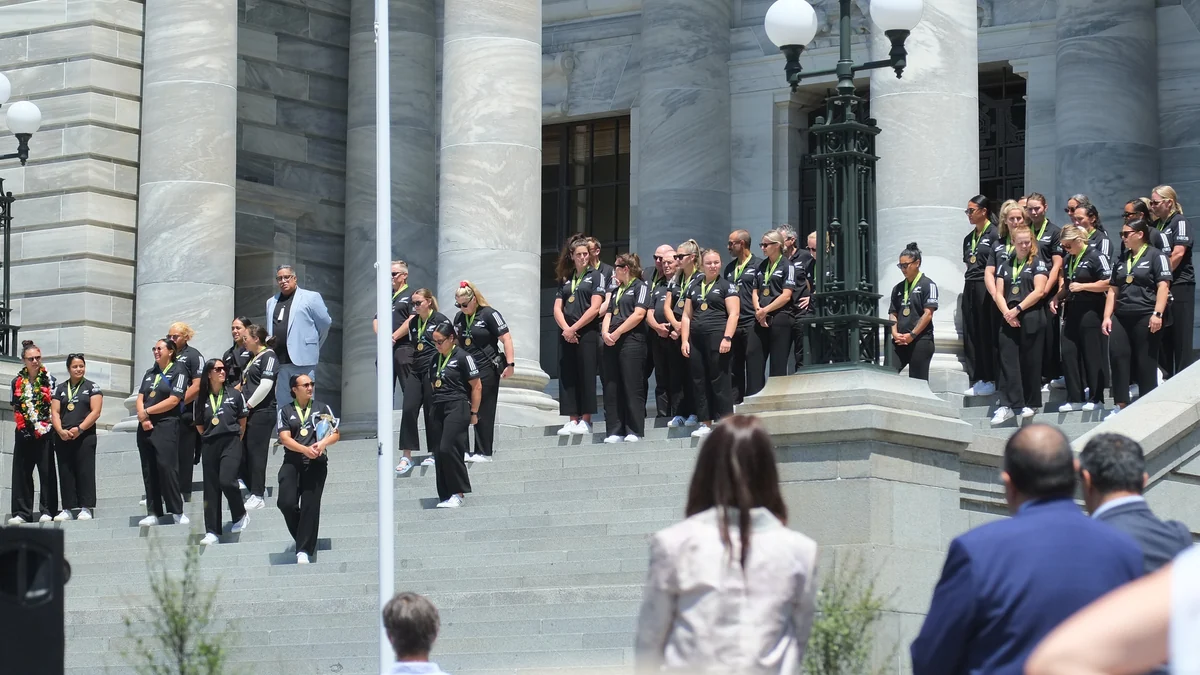
A first half decided by two points
France applied pressure from the start and opened the scoring inside ten minutes. Mathilde Lazarko finished a driving maul, although Carla Arbez missed the conversion. New Zealand replied through Mererangi Paul, with Braxton Sorensen-McGee adding the conversion.
France regained the lead when Anaïs Grando scored after the ball was moved toward the outside channel; Arbez converted. Before halftime, Shyrah Tuliau-Tua’a scored the Black Ferns’ second try, again converted by Sorensen-McGee. The hosts therefore went into the break with a narrow 14–12 advantage, according to NZ Rugby’s match report.
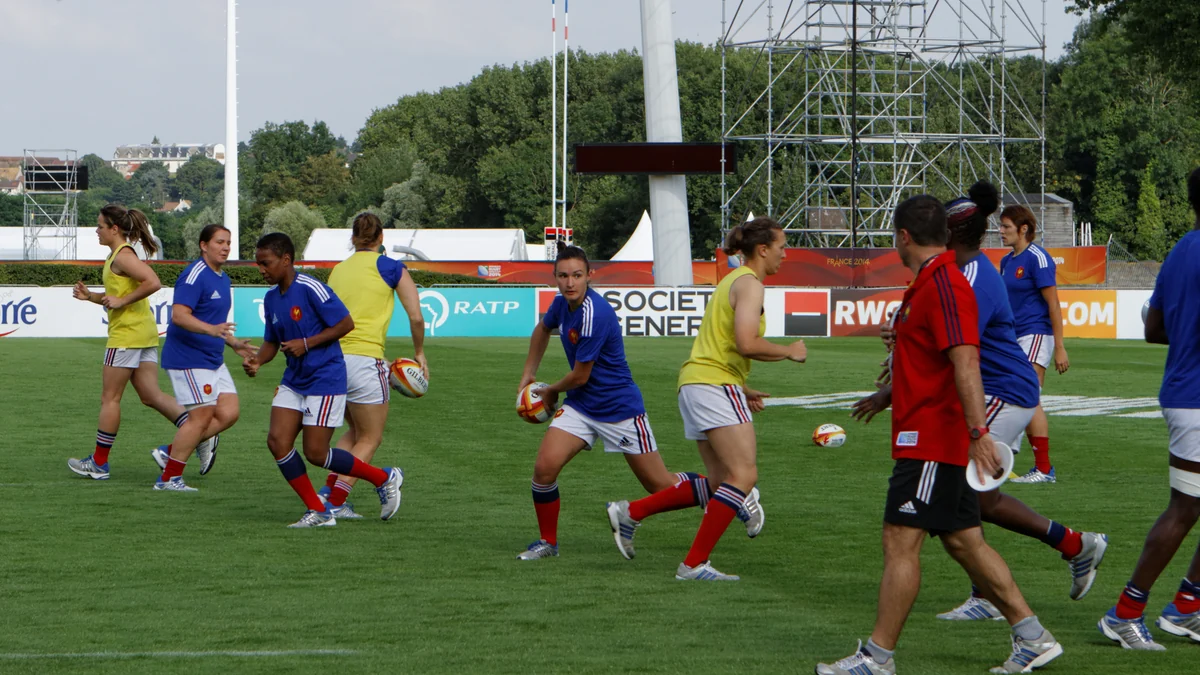
Why 31–12 does not tell the whole story
The final score suggests a comfortable margin, but France also threatened early in the second half. A French turnover shifted the momentum, and a kick ahead almost created another scoring chance. A scrum five metres from the line then ended with Ambre Mwayembe appearing to cross; the television match official review ruled out the try because Ruahei Demant managed to hold the ball up.
That sequence became the turning point. Instead of France retaking the lead, New Zealand regained territory. Maia Joseph found Amarante Sititi with a wide pass, and the try moved the score to 19–12.
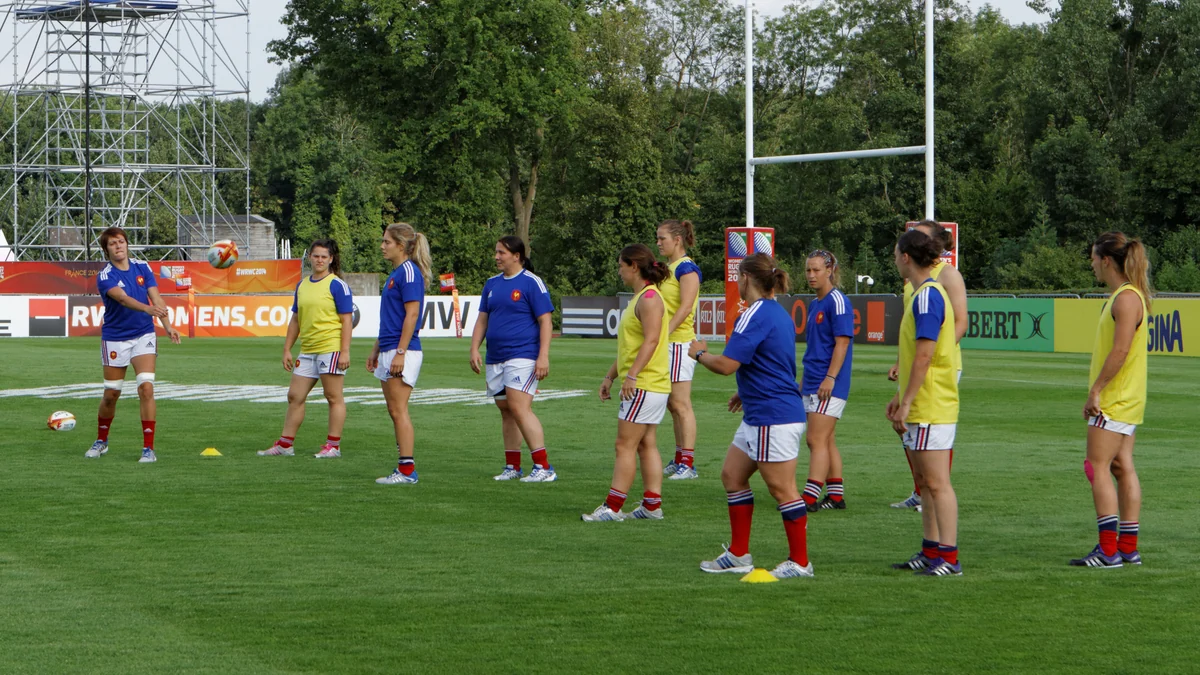
How the Black Ferns pulled away
Sorensen-McGee collected the ball inside her own half, beat the defence and scored in the corner before converting her own try. Paul later added her second try of the match to establish the final 31–12 score.
The difference between the two halves was therefore New Zealand’s ability to turn space into points. France caused problems with defensive pressure, an improved set piece and a willingness to attack, but did not score after halftime. Late in the match, the visitors were left at a numerical disadvantage after running out of replacements.
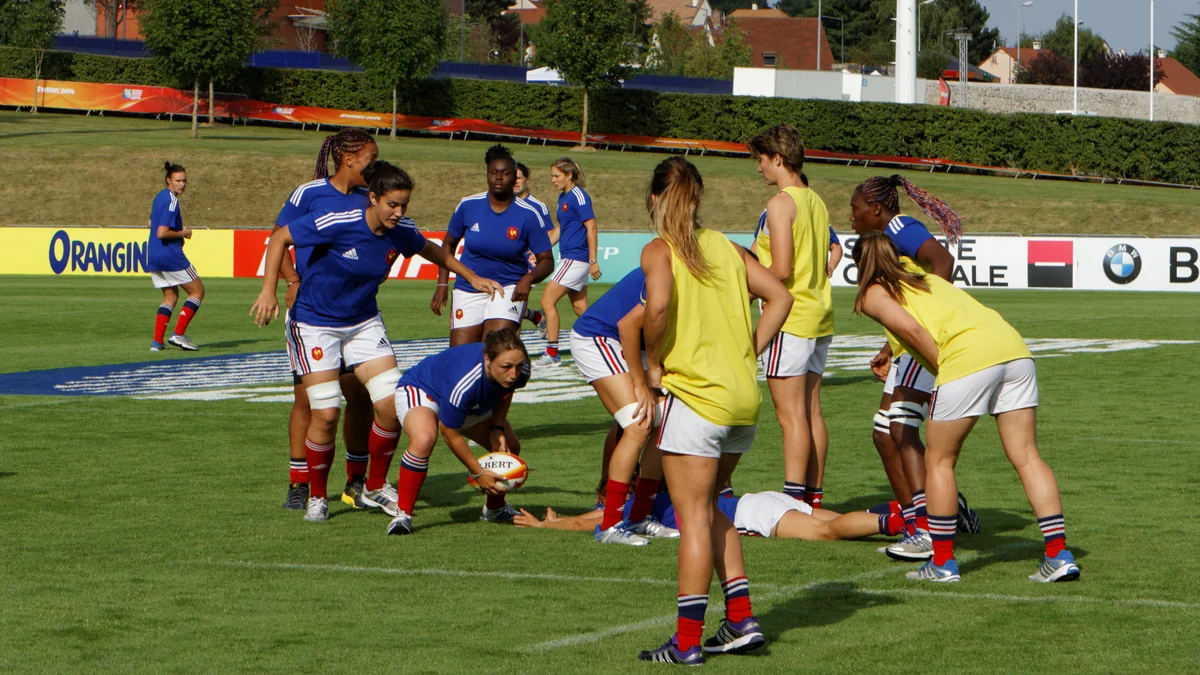
France’s progress since Hamilton
The most useful comparison goes beyond the margin falling from 69 points to 19. In Whangārei, France scored first, regained the lead and kept the contest open throughout the first half. The team also created a genuine opportunity to move ahead after the interval.
That does not remove its shortcomings: territorial pressure produced no second-half points, and the Black Ferns found space when they accelerated the movement of the ball. Even so, the performance represents a concrete change from the previous week’s 81–12 defeat, without turning a competitive loss into a moral victory.
The official World Rugby match page confirms that the October 24 match was part of the 2026 WXV Global Series and took place at Semenoff Stadium.
What to watch in the final Test
The third meeting is scheduled for October 31 at 7:10 p.m. New Zealand time at One NZ Stadium in Christchurch. It closes the three-Test series on New Zealand soil, which also appears in the FFR’s official program. Because times and arrangements may change, check the NZ Rugby schedule before the match.
Three points are worth following: whether France can sustain its defensive pressure for longer; whether it can turn opportunities near the line into points; and how it responds to New Zealand’s pace in wide areas. For the Black Ferns, the test will be finding their rhythm earlier rather than relying on another second-half surge.
The New Zealand source lists Sky Sport coverage only for New Zealand. The available sources do not confirm a broadcaster for the United States, France, Spain or Brazil.
Discover Becoartes
Visit [Becoartes](https://becoartes.com/) at Rua Gonçalo Afonso, 99, Vila Madalena, São Paulo.
Becoartes - Beco do Batman
99 Gonçalo Afonso Street, Vila Madalena, São Paulo
Sources and credits
- Pseudopanax at English Wikipedia — Public domain
- Pierre-Yves Beaudouin — CC BY-SA 4.0
- Pierre-Yves Beaudouin — CC BY-SA 4.0
- Pierre-Yves Beaudouin — CC BY-SA 4.0
- NZ Rugby — resultado, relato e destaques do 31–12 em Whangārei
- World Rugby — página oficial do jogo de 24 de outubro
- NZ Rugby — calendário oficial, incluindo o último teste em Christchurch
- FFR — programa oficial da seleção francesa feminina em 2026/27