A museum visit could count towards a full school day in Brazil. Keeping the school gate open for an extra afternoon would not necessarily qualify. That distinction is at the heart of a bill approved by the Chamber of Deputies on Wednesday, November 25. The measure now goes to the Senate. The vote did not change any pupil’s timetable on Thursday or create places at a particular school. Deputies agreed on a framework for defining a longer day in public basic education, planning what happens during it and checking whom it reaches.
Why seven hours is only part of the definition
The text approved by the Chamber sets the threshold at seven hours a day or 35 hours a week. Pupils would spend that time at school or in activities set out in its educational plan, regularly throughout the school year. A Saturday science fair can be the most memorable event of a term. Its length alone does not turn a half-day school into a full-time one.
Brazil already uses these numbers. A 2023 law establishing the federal full-time school programme sets the same hourly threshold for enrolments under that programme. The bill would establish a lasting national framework addressing the quality of provision as well as time. Its Portuguese name deliberately brings together two different ideas: educating the whole person and organising a full school day. One is an aim; the other gives the school time in which to pursue it.
A museum on the timetable
Consider pupils investigating changes in their neighbourhood. They might compare maps in class, examine old photographs in a museum and return to school to put together their own annotated exhibition. This is an illustration, not a compulsory assignment. What would make the visit count is its place in the school’s plan, with an educational purpose and a connection to the rest of the curriculum. A collection of unrelated afternoon clubs would not, by itself, pass that test.
Nor would every pupil have to take an additional compulsory subject. Each school would be responsible for connecting classroom knowledge with other experiences. A theatre company, university or community organisation could help run an activity. The school would retain control of its educational direction and curriculum. For the partners, the useful question would be what they could design with teachers, rather than simply how many hours they could keep a class occupied.
Meals, transport and two different working days
A child attending for seven hours does not spend seven hours at a desk. The proposal allows time for food, hygiene, rest and social interaction to be organised with educational aims, subject to the minimum hours. A room where pupils can eat, an accessible bathroom and transport when needed matter as much to a family as an attractive afternoon programme. For a public school system, all three require people, planning and money.
The pupil’s timetable is not the teacher’s employment contract. Extending the first would not automatically extend the second. The bill preserves professional working-time limits and teachers’ preparation time. Suppose a school adds reading after lunch. Someone has to decide who will lead it, which group will use the room and how the activity fits the morning’s teaching. Simply assigning the nearest available adult leaves the educational part of the job unresolved.
Where places are added matters
If expansion takes place only where schools already have a sports hall, a dining room and enough staff, it can widen gaps rather than narrow them. The proposal directs attention to more vulnerable areas and school systems with fewer resources. It calls for a public statement of priorities, planned investment and the geographical distribution of places. Local plans would be reviewed at least every two years, with school communities and education councils able to follow the choices made.
Expansion would also need to protect what pupils already have. It should not deprive someone who works during the day of the option of attending secondary school at night, or undermine education for young people and adults returning to study. There are specific protections for rural, Indigenous and quilombola communities, and for special education. Prior consultation matters in communities where distance, language and ties to a particular territory cannot be accommodated simply by drawing up a different timetable.
What parents can act on now
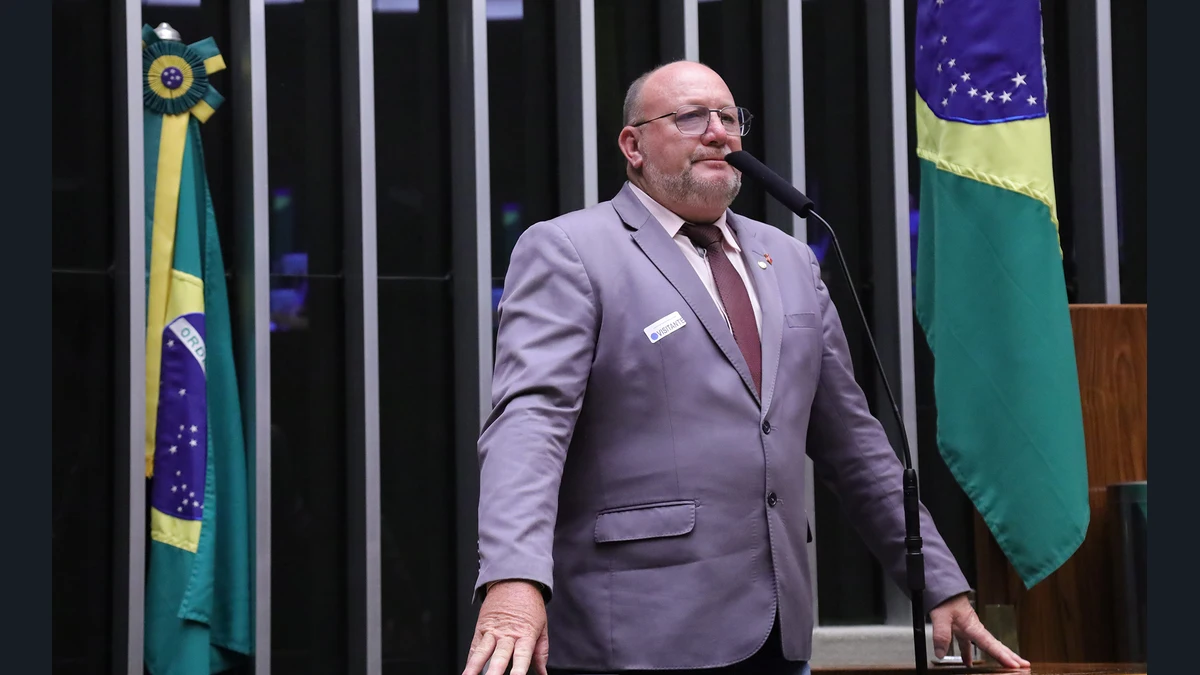
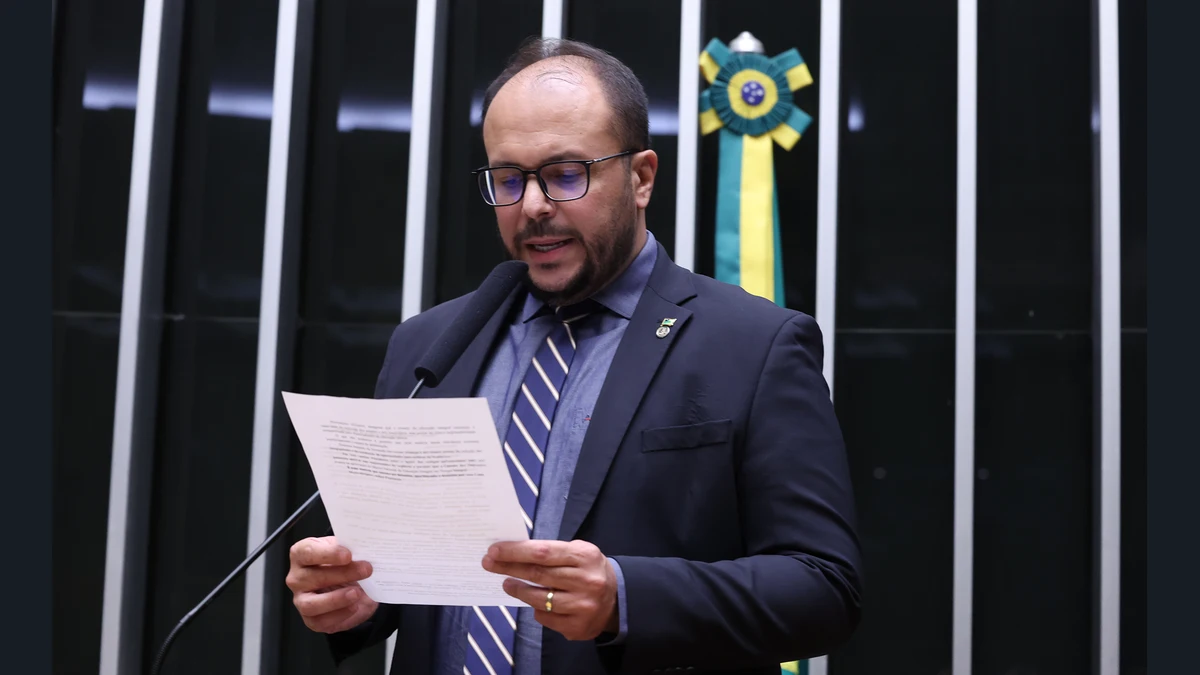
The legislative record for bill 479/2015 follows the proposal introduced by João Daniel and approved in the version drawn up by Thiago de Joaldo. The Chamber has finished its consideration; the Senate has not. Brazil’s National Education Plan already sets goals for expanding full-time education. A national target, a bill before Congress and a place available next term at a nearby school are three different things.
For a family organising its week, the information to check remains local: which schools are taking applications, how long pupils stay, how they get home and what food is provided. For anyone assessing the policy, there is one more question to ask when new places are announced: where exactly are they, and what can children do during those extra hours? Those answers, not just the clock at the school gate, will show what a longer day really offers.
Image credits. Images resized, framed with margins and converted to WebP without cropping. Thiago Cristino/Câmara dos Deputados (CC BY); Bruno Spada/Câmara dos Deputados (CC BY).
Sources for this story
Original documents are linked in the article.
Becoartes - Beco do Batman
99 Gonçalo Afonso Street, Vila Madalena, São Paulo