The Hellenic Football Federation’s centenary does not belong to Athens alone. Understanding its cultural meaning requires following a story also shaped in the port of Piraeus and in northern Greece, represented by Thessaloniki. The commemorations held on 15 September 2026 brought together three periods: the institutional work of 1926, the collective memory of EURO 2004 and the education of a new generation through school football.
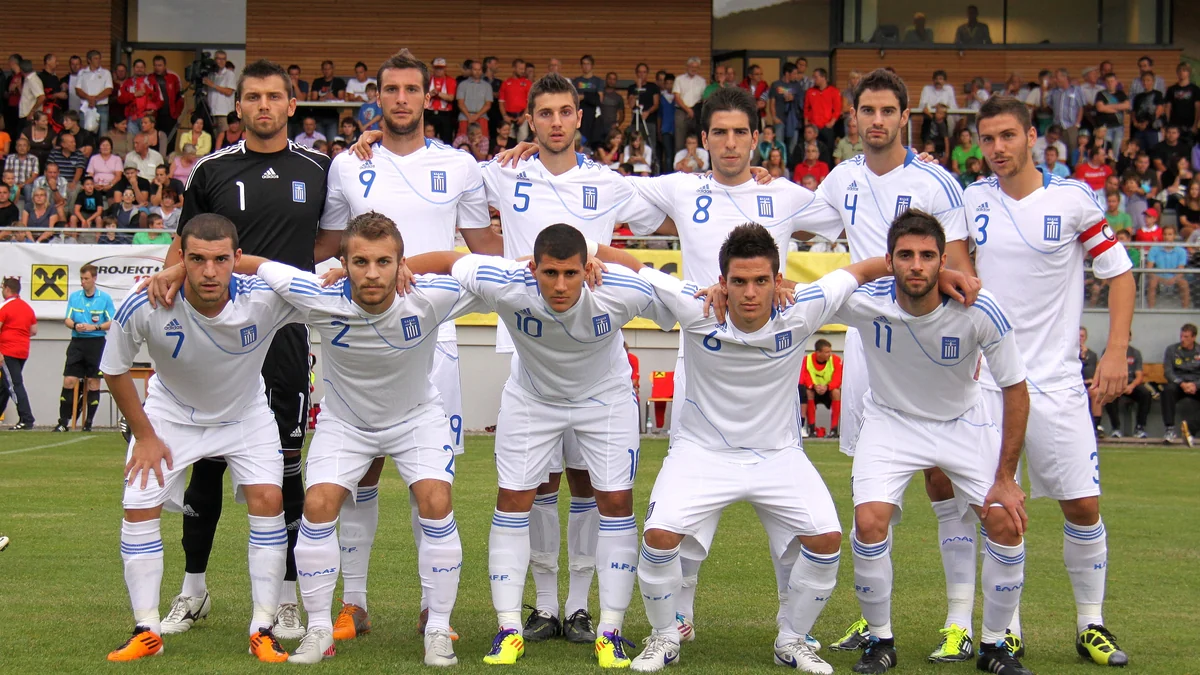
A federation formed by three centres
The national organisation emerged from negotiations among existing associations. According to the official history of the Hellenic Football Federation, clubs from Athens and Piraeus had created a regional association in 1919. In 1925, the proposal for a central authority returned to the agenda, but was postponed because it required considerable financial resources.
The process accelerated in 1926. Representatives from Athens, Piraeus and the Macedonia–Thrace association drafted statutes and regulations. On 14 November, they met at the Athens association’s offices and formally established the federation after a three-hour session. Its first board was elected on 16 November, and judicial recognition followed in December.
This origin explains why the centenary cannot fit into a narrative centred exclusively on the capital. Athens provided the administrative setting for the foundation; Piraeus participated as an autonomous centre; and Thessaloniki represented the northern association. It was a national structure built through regional negotiation.
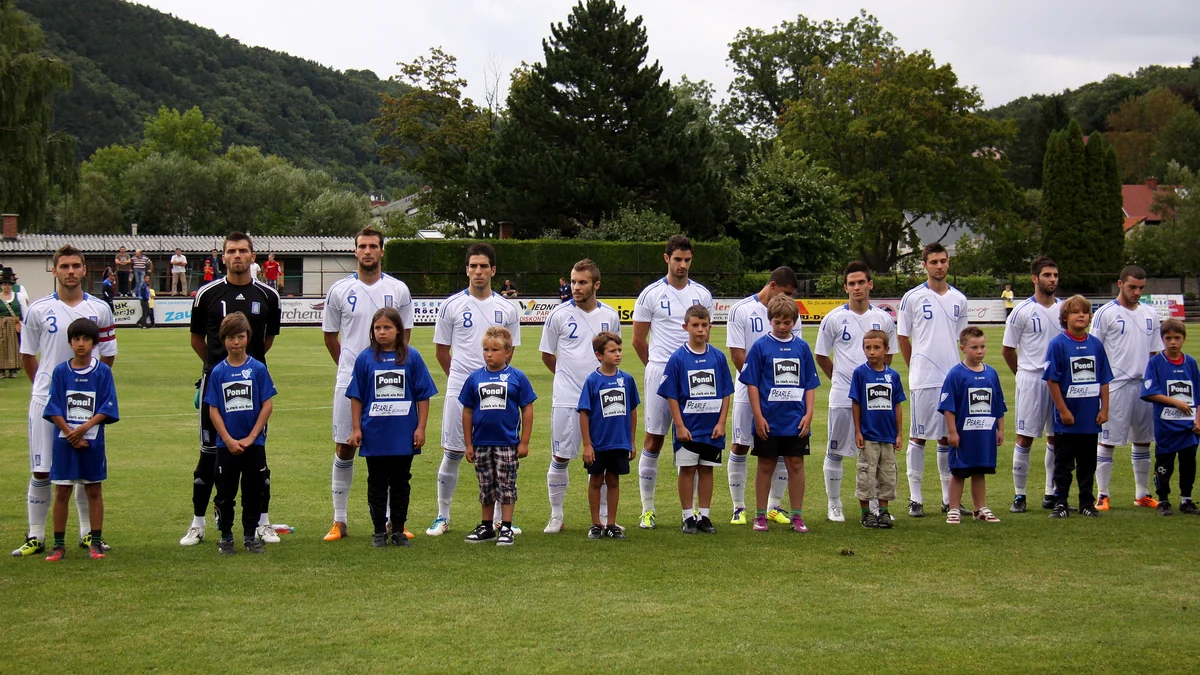
Why Thessaloniki took centre stage
The institutional celebration took place in Thessaloniki on 15 September 2026. The choice did not make the city the sole owner of this history, but highlighted its position among the three founding centres. The associations of Athens, Thessaloniki and Piraeus were honoured during the ceremony, according to the official event report.
The celebration date should also be distinguished from the historical date: the founding assembly took place on 14 November 1926. The September 2026 programme commemorated the centenary; it was not an exact observance of the federation’s civil anniversary.
Football officials, association representatives and members of Greece’s EURO 2004-winning squad attended. Author Christos Zampounis hosted the evening, which also included a musical performance by singer Demy. Its format connected administrative memory with public culture instead of reducing a century to a sequence of match results.
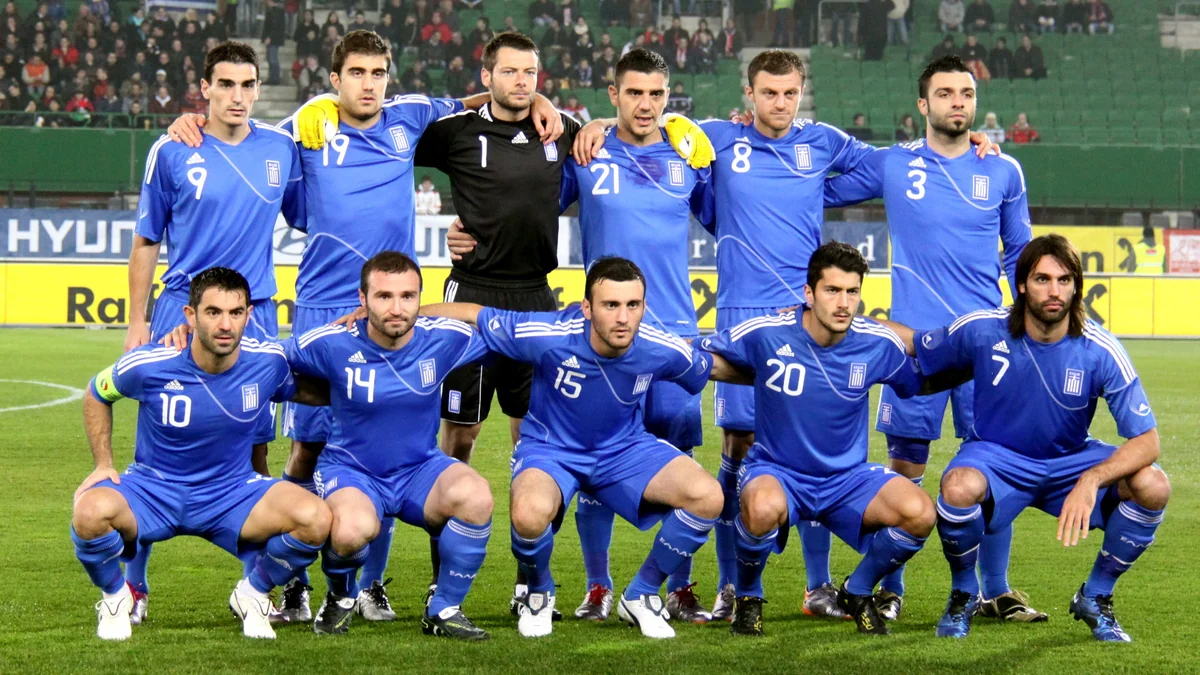
Athens and Piraeus remained decisive
Athens remained central to later developments. The federation joined FIFA in 1927; Greece played its first match organised by the body at the Panathenaic Stadium in 1929; and its first international victory came at the same ground, against Yugoslavia, in 1930. Greece was also among UEFA’s founding associations in 1954.
Piraeus is more than a reference in the founding documents. In 2024, Olympiacos crossed a threshold by winning the UEFA Conference League after its under-19 side had claimed the UEFA Youth League. The senior final was staged in Athens, and celebrations reached both the capital and the port, according to UEFA’s centenary retrospective. On a continental scale, the episode renewed the historical connection between the two cities.
EURO 2004 as collective memory
No recent image of Greek football carries as much weight as the EURO 2004 victory. The team arrived in Portugal without having won a match at a major finals. After defeating the hosts in the opening game, Greece overcame France and the Czech Republic in the knockout rounds before facing Portugal again in the final.
In Lisbon, Angelos Charisteas headed the only goal. UEFA’s account of the tournament attributes the campaign to the organisation, sacrifice and collective spirit of Otto Rehhagel’s side. In Thessaloniki, the champions in attendance received their honour together at captain Theodoros Zagorakis’s invitation. The gesture reinforced the most enduring interpretation of that title: the team placed above individual celebrity.
From remembrance to school football
On the day of the ceremony, Aristotelous Square hosted the “Football in Schools” festival. Children played alongside former Greek players and guests including Oliver Bierhoff and Aljoša Asanović. Dimitra Panteliadou, a former Greece international and the women’s national team’s all-time leading scorer, also participated.
The Hellenic federation presented the initiative as a way to introduce girls and boys to football’s social and sporting values. The combination is revealing: while the evening ceremony recognised founders and champions, the public activity put children on the pitch. The centenary therefore sought to connect institutional legacy, popular memory and future participation.
How to read this centenary
The most useful approach is not to choose which city represents Greek football. It is to recognise complementary roles: Athens as an administrative centre and stage for national milestones; Piraeus as a founding centre and home territory of a sporting power; Thessaloniki as the voice of the north and the symbolic host of the 2026 commemorations.
Institutional information and future commemorative activities may change, so check the federation’s official links before planning anything connected with them. To continue the conversation between sport, cities and culture in São Paulo, Becoartes is at Rua Gonçalo Afonso, 99, Vila Madalena.
Sport is also urban memory
Continue the cultural conversation at Becoartes, Rua Gonçalo Afonso, 99, Vila Madalena, São Paulo.
Becoartes - Beco do Batman
99 Gonçalo Afonso Street, Vila Madalena, São Paulo
Sources and credits
- Steindy (talk) 23:04, 5 September 2011 (UTC) — CC BY-SA 3.0
- Steindy (talk) 23:04, 5 September 2011 (UTC) — CC BY-SA 3.0
- Steindy (talk) 00:01, 18 November 2010 (UTC) — CC BY-SA 3.0
- UEFA — 100 years of Greek football: A proud past and a promising future (13 Sep 2026)
- Hellenic Football Federation — A Century of Organised Greek Football Celebrated in Thessaloniki (16 Sep 2026)
- Hellenic Football Federation — 100 Years Celebrated with Football in Schools (16 Sep 2026)
- Hellenic Football Federation — History and founding milestones
- UEFA — The magic of EURO 2004 and its lasting impact on European football (15 Sep 2026)