The Under-20 Intercontinental Cup is neither a league nor a lengthy tournament: it is a one-off match between Europe’s and South America’s youth club champions. On 19 September 2026, Real Madrid and Santiago Wanderers arrived at the Santiago Bernabéu through different routes — the UEFA Youth League and CONMEBOL Libertadores U20 — to put their continental titles head-to-head. Madrid won 3-1, but understanding the occasion means returning to the two competitions that selected its participants.
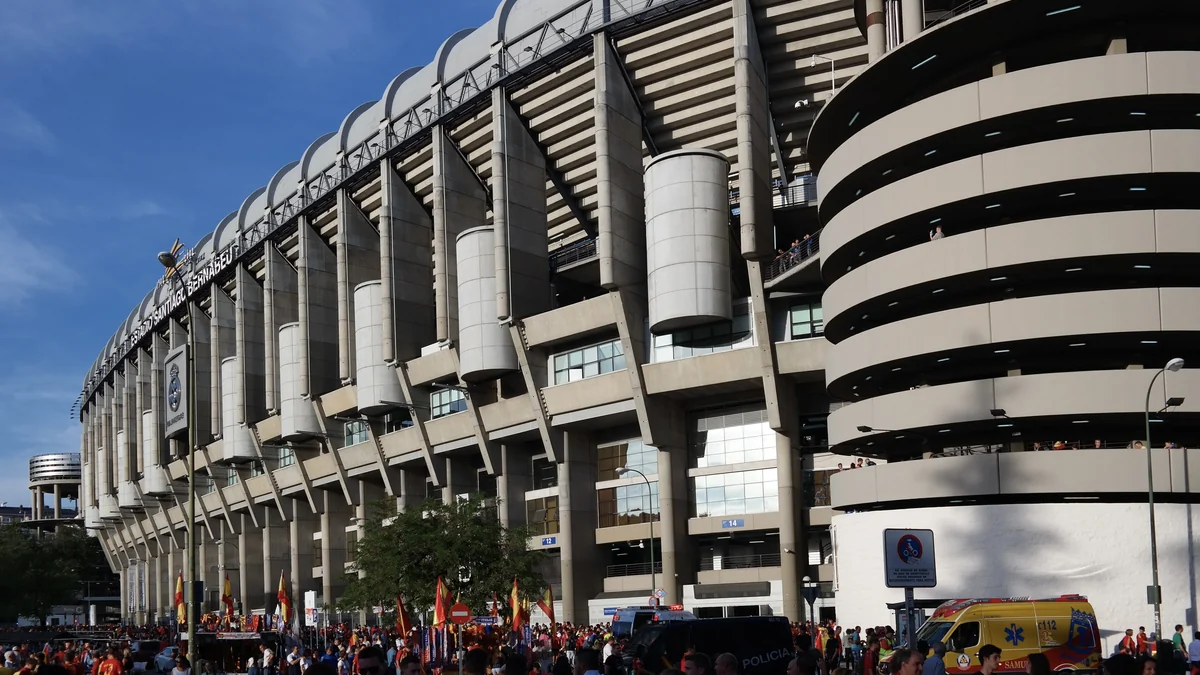
Played before 52,117 spectators, the largest crowd in the event’s five editions, the final was also the first staged in Europe. Every previous match had taken place in a South American stadium.
Three competitions with three different purposes
The UEFA Youth League determines Europe’s youth club champion; the Libertadores U20 performs the equivalent role in South America. The Intercontinental Cup takes the winners of both competitions and decides its title in a single match.
According to UEFA’s official explanation of the format, the fixture lasts 90 minutes with no extra time. If it finishes level, the trophy is decided directly by penalties. Real Madrid and Wanderers therefore did not negotiate another intercontinental group or knockout phase: they qualified by conquering their respective continents.
The event emerged from UEFA and CONMEBOL’s cooperation, renewed in December 2021. Its historical reference is the former European/South American Cup, contested by the continents’ senior champions from 1960 to 2004, although the U20 version has its own format and record.
Real Madrid’s European route
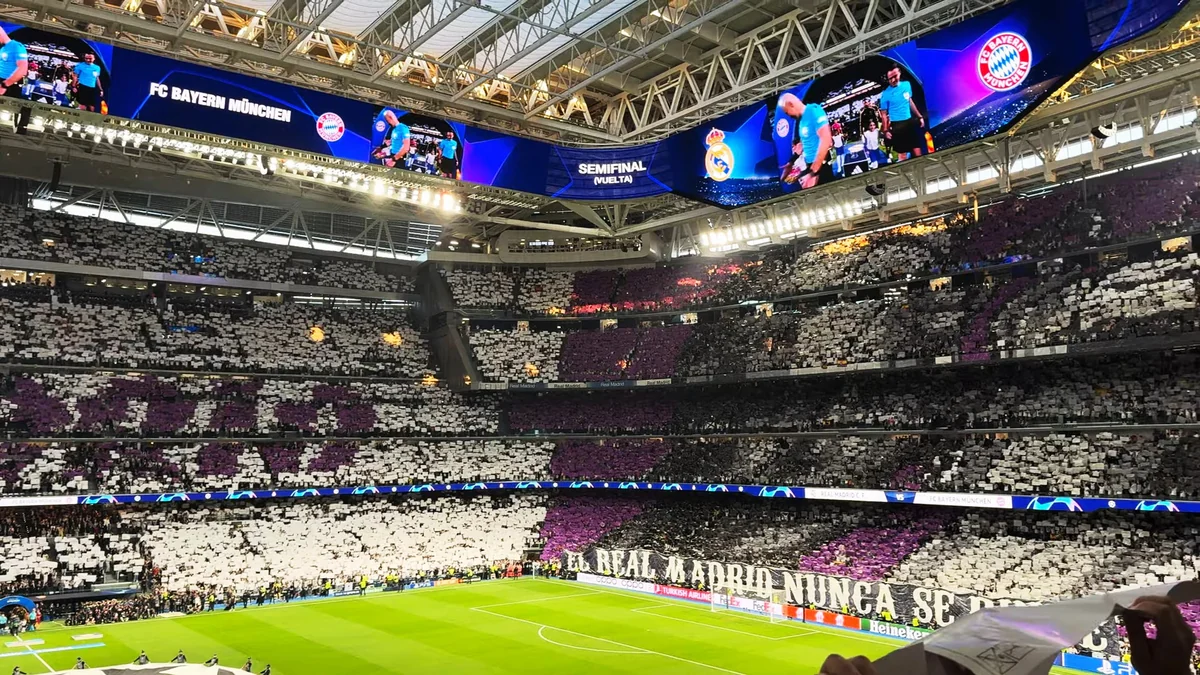
Real Madrid qualified by winning the 2025/26 UEFA Youth League. In the Lausanne final, Madrid drew 1-1 with Club Brugge before prevailing 4-2 on penalties. It was the club’s second title in Europe’s youth competition.
The connection between that victory and the Bernabéu final was also visible in the line-up. According to UEFA’s match report, eight starters against Wanderers had begun the final against Club Brugge. The Intercontinental Cup consequently served as the closing stage of that generation’s winning season, rather than an event detached from its European campaign.
By winning, Real Madrid became the first Spanish U20 Intercontinental champion and only the second European winner, following Benfica in 2022.
Santiago Wanderers’ unprecedented campaign
The South American representative travelled to Madrid after securing a first for Chilean football. In the 2026 Libertadores U20, Santiago Wanderers defeated Nacional and Belgrano and drew with Liga de Quito during the group stage. They then recovered from behind against Palmeiras in the semi-final, led by two Christian Silva goals.
In the final against Flamengo, Sebastián Vargas equalised in the 89th minute to force penalties. Wanderers won the shootout 5-4 and became the first Chilean club to claim the Libertadores U20. Flamengo had won both the continental and intercontinental editions in 2024 and 2025, adding sporting weight to the Chileans’ qualification.
CONMEBOL’s account of the campaign emphasises the team’s responses to adversity. Alongside the knockout comebacks, Wanderers equalised against Liga de Quito in the 92nd minute to finish top of their group. Silva completed the Libertadores as its four-goal leading scorer and player of the tournament.
Why 2026 changed the final’s geography
The first four editions took place in South America. Montevideo hosted Benfica versus Peñarol in 2022; Buenos Aires staged Boca Juniors against AZ Alkmaar in 2023; and the Maracanã in Rio de Janeiro received the finals won by Flamengo in 2024 and 2025.
Moving to the Bernabéu made 2026 the first European edition. Real Madrid’s home had previously hosted major European finals, as well as the second leg of the 2018 Libertadores final. The attendance of 52,117 surpassed the reported figures for the four preceding matches: 40,579, 37,386, 31,237 and 45,656. It is accurate to describe a record and a large crowd, but not a sell-out: UEFA itself says the stadium accommodates more than 80,000 spectators.
What happened in the final
Wanderers were reduced to ten players in the 25th minute when Alexander Dubó was sent off. Four minutes later, Daniel Yáñez scored from the resulting free kick. Despite their numerical disadvantage, the Chileans equalised four minutes into the second half when Silva seized on a mistake in Madrid’s build-up and finished.
The score remained level until the closing stages. Fran Santamaría entered in the 80th minute and restored Madrid’s lead in the 81st. Goalkeeper Fabiano Avello then saved a Yáñez penalty in added time, but Wanderers suffered further dismissals and Roberto Martín scored Madrid’s third goal with the final touch. CONMEBOL’s post-match assessment notes that the Chilean side remained competitive into the decisive minutes despite playing short-handed.
What the result means
The 3-1 score completed a clear sporting chain: the European champion defeated the South American champion. Yet the edition’s importance also lies in the scale of its setting, the attendance record and Europe’s debut as host. For Real Madrid, it completed a youth season with the club’s first intercontinental title; for Wanderers, it extended onto the world stage the first Libertadores U20 won by a Chilean club.
Results, regulations and details of future editions may change. Before making plans to follow a match, check the official UEFA and CONMEBOL channels.
Continue the conversation at Becoartes
After exploring the connections between sport and culture, visit Becoartes at Rua Gonçalo Afonso, 99, Vila Madalena. Check the official website before visiting.
Becoartes - Beco do Batman
99 Gonçalo Afonso Street, Vila Madalena, São Paulo
Sources and credits
- Choinowski — CC BY-SA 4.0
- Zoser — CC BY 4.0
- Footballkickit at English Wikipedia — CC BY 3.0
- UEFA — relato oficial de Real Madrid 3 x 1 Santiago Wanderers e público recorde
- UEFA — formato, classificação, histórico e origem da Copa Intercontinental Sub-20
- CONMEBOL — balanço oficial da participação do Santiago Wanderers na final
- Real Madrid — ficha oficial da partida no Bernabéu
- CONMEBOL — campanha e contexto da classificação inédita do Santiago Wanderers