Viewers of the 2026 FIFA U-20 Women’s World Cup can understand Islana as a contemporary creation inspired by Slavic imagery—not as a reproduction of a traditional rusalka. The mascot replaces the danger associated with many water-bound tales with curiosity, movement and joy. Alongside Lake Gopło and the pop track “YEYEYO,” she helps give a Polish identity to the tournament, held from 5 to 27 September.
That distinction matters: sports communications borrow recognizable references but assign them a different role. With Islana, folklore supplies the starting point; the promotional character, the music and women’s football form a new narrative.
Who Islana is
The official FIFA introduction calls Islana a “cousin” of the rusalki from Slavic mythology. The wording establishes an imaginary kinship, not identity. In the biography created for the competition, she is a guardian of nature who grew up in the forest and on a lakeshore, learning through movement and play.
The ball enters this story as a fantastic discovery: Islana sees a black-and-white object shining on Lake Gopło and becomes inseparable from it. She then starts watching over young footballers, especially those who play with joy and courage. FIFA associates the character with creativity, vibrancy and the growth of the women’s game.
The choice also provides a visual focus for a competition featuring 24 national teams. According to the same source, this is the 12th FIFA U-20 Women’s World Cup, staged in Poland. Islana is therefore a fictional host for an international event, not a definitive explanation of a Slavic belief.
What rusalki were in traditional narratives
The contrast is clear in an educational platform run by the Polish government. Its material explains that wiły, rusalki, nymphs and dziwożony were said in Slavic traditions to inhabit the banks of rivers and lakes. They were described as beautiful, long-haired women who could call to passers-by and drag them into the water.
The page uses Adam Mickiewicz’s ballad “Świtezianka” to examine this universe. In it, a mysterious young woman linked to a lake tests a hunter’s faithfulness. When he breaks his promise, nature participates in the punishment: the waters churn, and seduction leads to death and damnation. The lake is not merely scenery; it belongs to the story’s moral and supernatural structure.
This reveals the distance between the two repertoires. Traditional rusalki can be seductive, threatening and punitive. Islana, by contrast, was written as the players’ cheerful protector. Saying the mascot was inspired by such figures is accurate; claiming that she represents every rusalka would erase the ambiguity and danger in the stories.
Why Lake Gopło appears
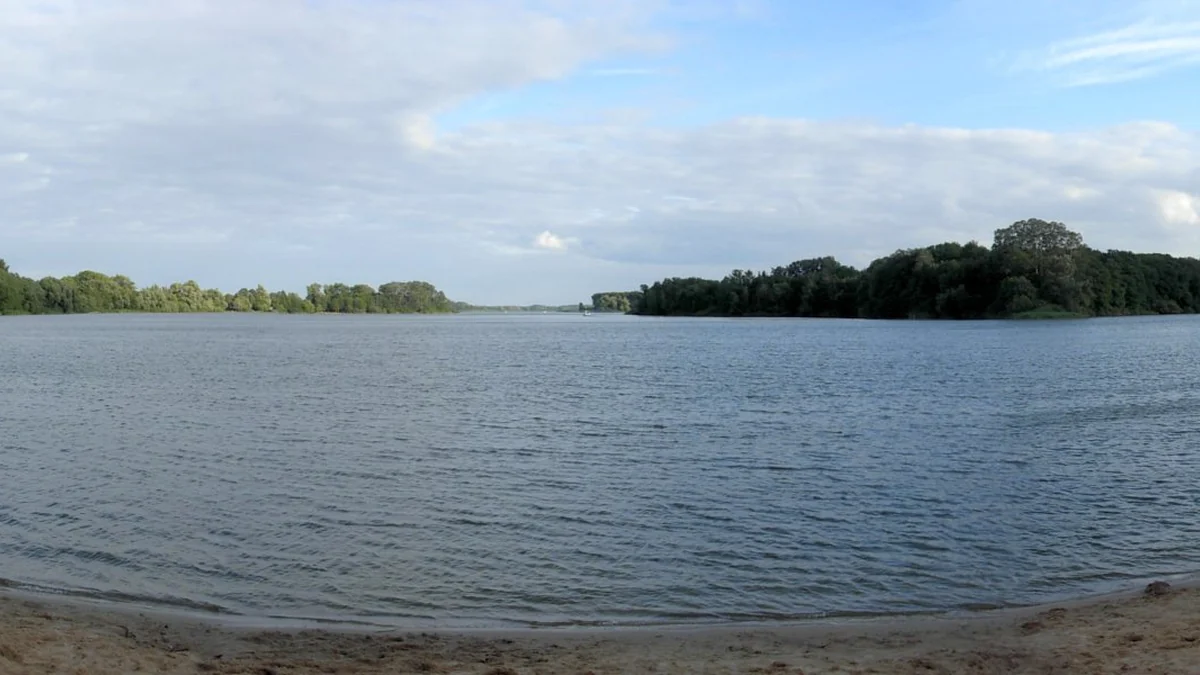
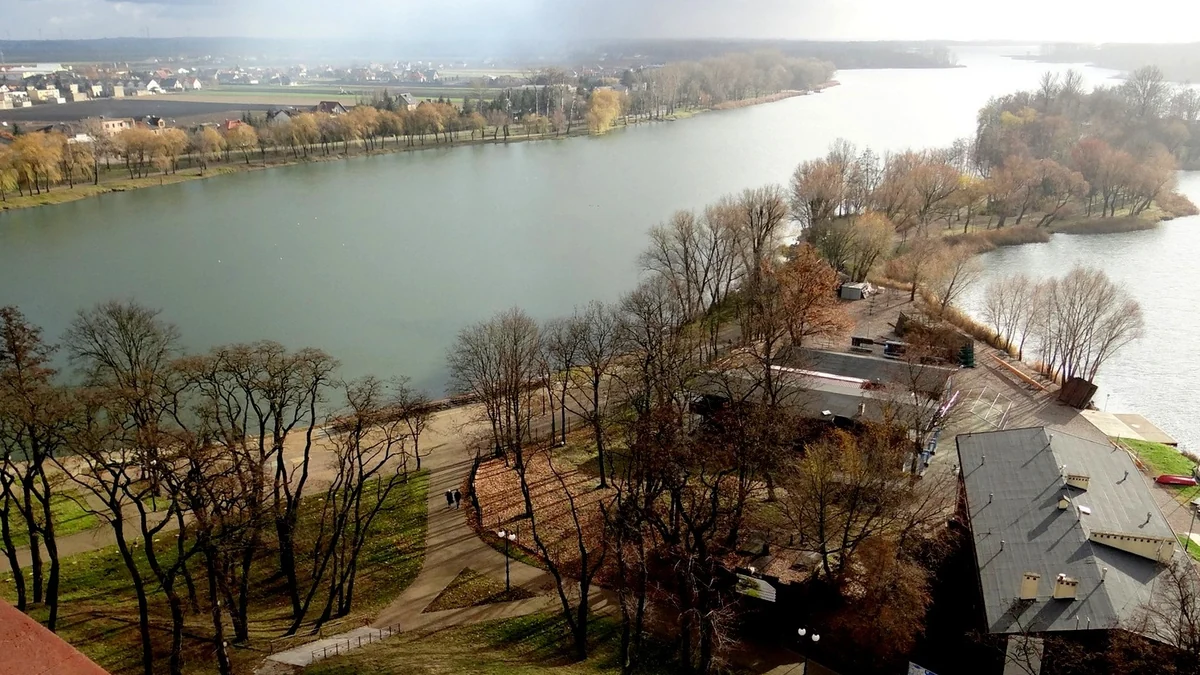
In the promotional biography, Lake Gopło is where Islana encounters the ball. The water links her to the imaginary lineage of lake beings, while the sporting object redirects the narrative toward the pitch. This shift lets the campaign refer to folklore without staging the threat of drowning or punishment found in traditional accounts.
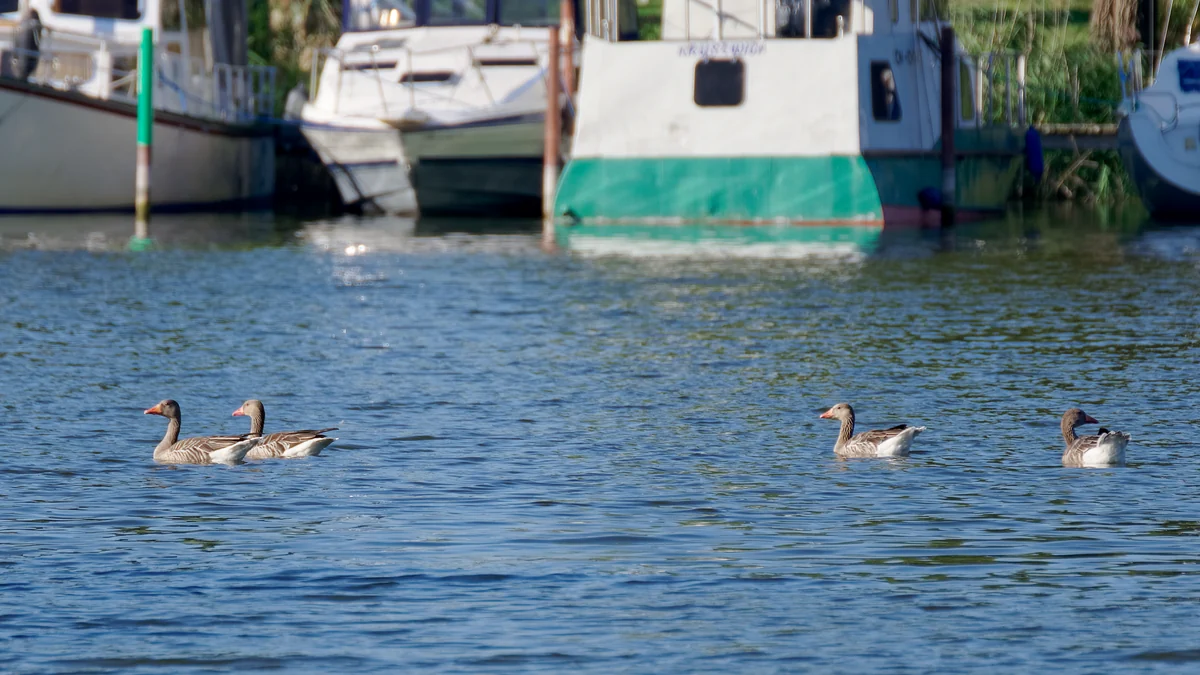
Photographs of Gopło also require careful reading. A landscape showing birds and boats documents the appearance of a lakeside environment, but it does not prove legends, apparitions or the mascot’s presence. Its editorial value lies in making tangible the setting chosen for the official fiction while preserving the distinction between a real place and an invented character.
“YEYEYO” and the tournament’s pop layer
The cultural identity does not stop at the lake. The official song “YEYEYO” brings together Polish pop singer Blanka and producer Francis. FIFA describes the dance track as celebrating female collaboration and resilience, on and off the pitch, with a message about winning side by side.
Music adds a different language from the mascot’s. Islana draws on nature, myth and fantasy; “YEYEYO” uses a pop beat and the idea of collective action. Together, the two elements connect an old cultural reference with contemporary musical expression, without implying that the song itself is folklore.
The announcement also places the competition in four host cities: Bielsko-Biała, Katowice, Łódź and Sosnowiec. This broadens the event’s map but does not turn Gopło into a stadium or host city: in the consulted sources, the lake belongs to the mascot’s story.
How to read the symbols during a broadcast
A simple method prevents confusion. When Islana appears, viewers can identify which traits come from the aquatic repertoire—lake, nature and kinship with rusalki—and which were created for the tournament: the ball, protection of young athletes and a cheerful temperament. When “YEYEYO” plays, the key changes to Polish pop, collaboration and resilience.
It also helps to separate three levels. Lake Gopło is a real place; rusalki belong to varied narrative traditions; Islana is an official character with her own biography. None should be treated as evidence for the others. This reading makes the campaign more interesting because it exposes the choices involved in adaptation instead of reducing everything to a generic definition of “folklore.”
An inspiration, not a replacement
Islana neither corrects nor replaces traditional rusalki. The campaign selects certain attributes—the bond with water, nature and a supernatural female figure—and points them in another direction: welcome, play and confidence. The result is a promotional reworking explicitly framed as imaginary kinship.
Because schedules and tournament information can change, check FIFA’s official channels for updates. To continue the conversation about how old images acquire new meanings, Becoartes is at Rua Gonçalo Afonso, 99, Vila Madalena, the address listed on its official website.
Culture can also be read through images
At Becoartes, Rua Gonçalo Afonso, 99, Vila Madalena, the conversation about art, symbols and memory can continue.
Becoartes - Beco do Batman
99 Gonçalo Afonso Street, Vila Madalena, São Paulo