Jean Gabin asked for his ashes to be scattered at sea because his bond with the French Navy came not only from his film roles but from his military service during the Second World War. His request was fulfilled on November 18, 1976, in the Iroise Sea, about 20 miles off Brest, during an exceptional ceremony authorized by the French government.
The choice also reflected his connection with Brest, where he filmed *Remorques* and was caught up in the 1939 mobilization. The irreverent remark often used to explain why he wanted no grave — reportedly made to Michel Audiard — should, however, be treated as a later attribution rather than a statement supported by an original recording or document in the available sources.
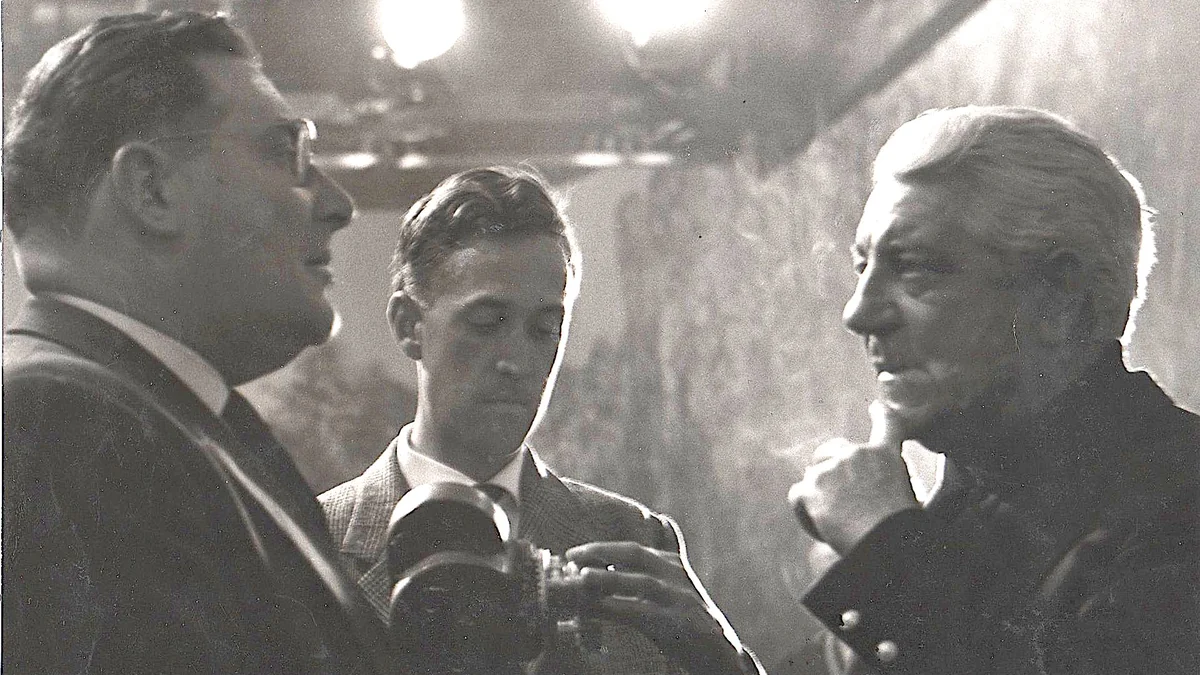
The instructions Jean Gabin left
Jean Gabin, born Jean-Alexis Moncorgé, died on November 15, 1976, at the American Hospital of Neuilly. According to the account published by France 3 Bretagne, he wanted neither a monument nor a family vault. His final wishes called for his ashes to be scattered at sea, in a manner befitting a sailor.
A ceremony first took place at Père-Lachaise cemetery on November 17. The following day, the urn traveled to Brest and was taken aboard the aviso escort *Le Détroyat*. The naval tribute required special authorization from then-president Valéry Giscard d’Estaing and the involvement of Vice Admiral Gélinet, Gabin’s friend and an officer under whom he had served in 1944.
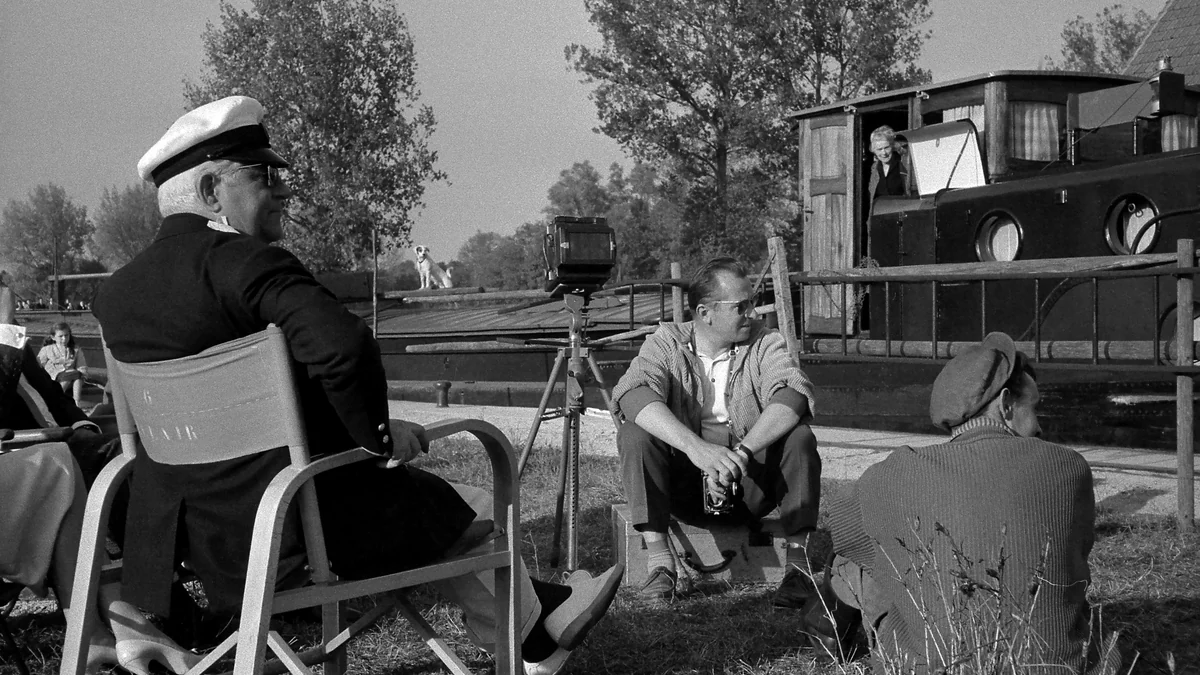
What happened in the Iroise Sea
The ship carried Gabin’s relatives, his wife and Alain Delon into the Iroise Sea. About 20 miles off Brest, Delon opened the urn and scattered the ashes. This was not a tribute automatically granted to a famous actor. The France 3 report says such ceremonies were normally reserved for general officers or sailors killed in action.
Moncorgé’s military record explained the exception. That distinction matters: the event cannot be reduced to an extension of Gabin’s screen image. The Navy was honoring a man who had served in its ranks as well as an actor known for portraying sailors.
From the Free French forces to combat
After leaving occupied France and spending time in the United States, Gabin returned and volunteered for the Free French Naval Forces. He served aboard the support vessel *Elorn* and later joined the Régiment blindé de fusiliers marins, attached to General Leclerc’s 2nd Armored Division. The unit took part in the liberation of the Royan pocket.
An interview from 1975, discussed by France 3, indicates that this connection remained important to him. Speaking about the Navy, Gabin emphasized the crew’s mutual dependence and the importance of everyone doing their job. His son Mathias was undergoing naval training at the time.
The INA search collection brings together interviews, behind-the-scenes reports and records from different stages of Gabin’s career. It helps place his public persona in context, but the displayed results do not by themselves establish every funeral-related quotation attributed to him.
Why Brest belongs in the story
Brest was more than a convenient Atlantic departure point. Gabin filmed *Remorques* there, an adaptation of Roger Vercel’s novel. Production began in 1939, was interrupted and was eventually completed in a studio in 1941. The film preserved images of Brest before bombing destroyed much of its city center.
It was during this work in Brest that the 1939 mobilization reached Jean-Alexis Moncorgé. In the film he plays André Laurent, captain of the tugboat *Cyclone*. His profession, the war and the maritime landscape therefore converge in one place, although his fictional role must not be confused with his later military service.
The ECPAD archive portal, maintained by the French Ministry of the Armed Forces’ audiovisual heritage institution, explains that only part of its digitized military holdings is available online. The page reviewed does not provide an individual Gabin record; it instead identifies an official route for deeper archival research.
Documented facts and attributed words
The date of Gabin’s death, the urn’s journey through Brest, the use of *Le Détroyat*, the presidential authorization and the scattering in the Iroise Sea form the chronology reported by France 3. His wish for a sailor’s farewell is also presented as part of his final instructions.
The harsher explanation for leaving no grave — that he wished to deter unwelcome visitors — is reported conditionally and attributed to Michel Audiard. Because the available sources reproduce no letter, recording or primary testimony, that qualification should remain. The remark suits Gabin’s famously terse public persona, but plausibility is not documentary proof.
The essential answer is less anecdotal: the sea reflected a military experience that Gabin regarded as part of his identity. Brest brought together the memory of *Remorques*, the 1939 mobilization and the route of his final ceremony.
Discover Becoartes
Art, cinema and culture also meet at [Becoartes](https://becoartes.com/), Rua Gonçalo Afonso, 99, Vila Madalena, São Paulo.
Becoartes - Beco do Batman
99 Gonçalo Afonso Street, Vila Madalena, São Paulo