The direct answer depends on the stage: the RFEF issues the call-up; Barcelona must release the player during the international window; the federation may require its own medical examination; and Spain’s coaching staff decides whether he plays. An early return to the club requires a release or an agreement with the federation, not a unilateral Barcelona decision.
In Lamine Yamal’s case, the official sequence is complete. On November 11, 2026, Luis de la Fuente said he preferred the player to train at his club and join Spain later if fit. On November 13, the RFEF reported that Yamal had joined the squad. On November 15, the official record of Spain’s 3-2 defeat by England included the forward in the Spanish team.
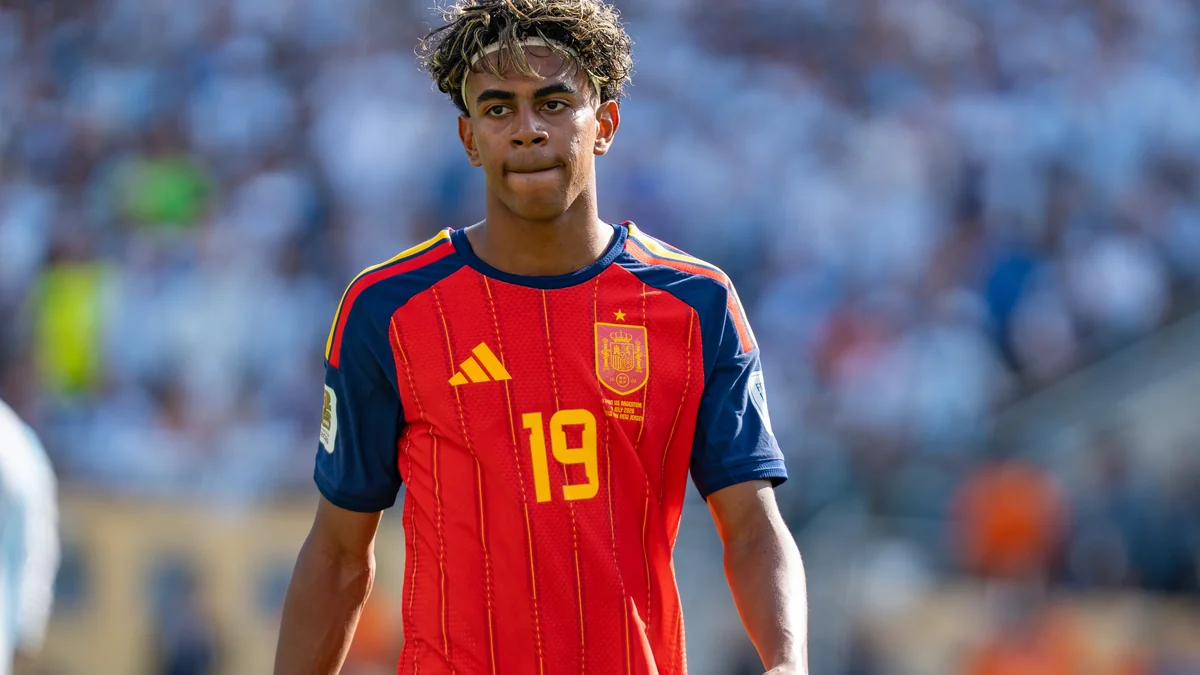
Who issues the call-up
The national federation is responsible for selecting the squad. The RFEF list included Lamine Yamal, while Barcelona’s official roster confirms that he is a club player.
That club relationship does not allow Barcelona to cancel a call-up by itself. Annexe 1 of FIFA’s Regulations on the Status and Transfer of Players requires clubs to release called-up players during the international windows listed in the calendar. The same annexe says that, as a general rule, a player must respond affirmatively to a call-up.
This does not mean every selected player must train or play. Selection, reporting, medical assessment and match participation are separate acts.
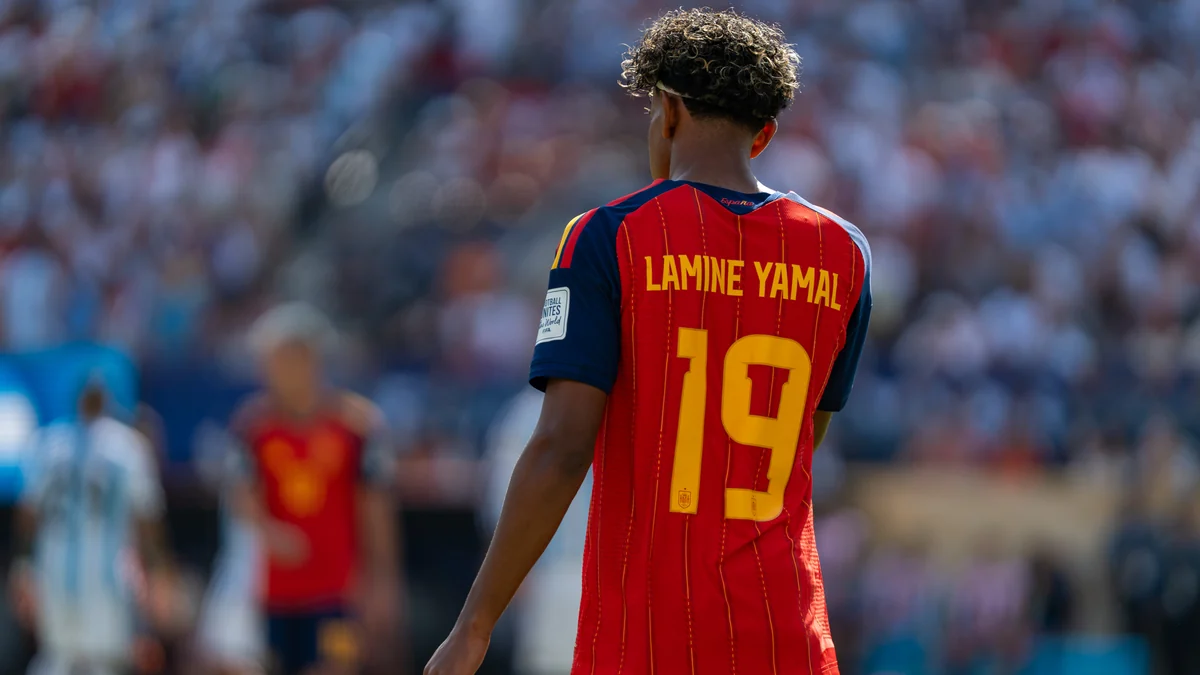
What happens when there is a medical issue
A club may examine and treat its player and provide medical information. That material matters, but it does not give the club sole administrative authority over the call-up.
Annexe 1, article 4, states in Spanish: “deberá, si esta asociación lo solicita, someterse a un examen médico realizado por un médico designado por la asociación”. Our translation is: “if requested by that association, the player must undergo a medical examination by a doctor appointed by the association.”
The article adds that, if the player wishes, the examination may take place in the territory of the association where he is registered. An injury or illness claim therefore does not give the club an automatic veto: the national association may request its own examination. Nor does the rule permit the federation to disregard the player’s health; it establishes a process for assessing it.
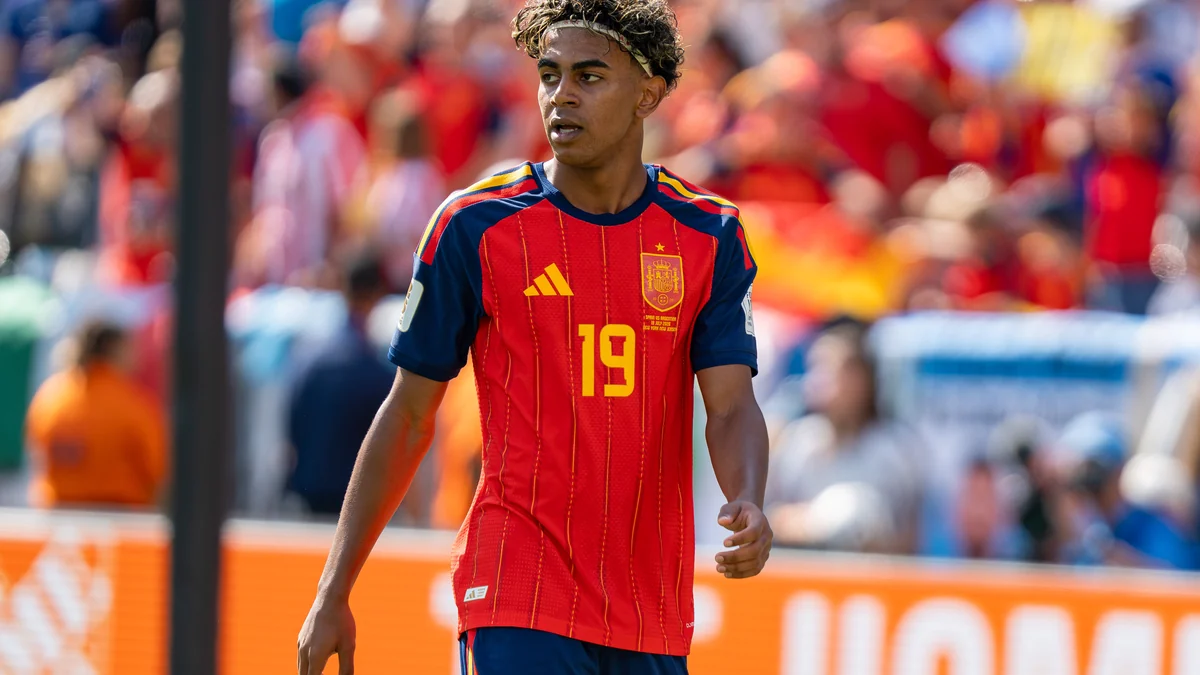
What happened from November 11 to 15
In the RFEF statement published on November 11, De la Fuente said Yamal had knee discomfort and explained: “I preferred him to train with his club and join us later if he is fit.” This is an attributed statement from the coach, not a published independent medical report.
It also shows that the temporary stay at Barcelona was not a unilateral refusal by the club. The national-team coach said he had chosen that arrangement and left open a later arrival if the player was fit.
On November 13, the RFEF recorded that Lamine Yamal and Mikel Oyarzabal had joined the camp and taken part in the team’s activities. Two days later, the official match record against England listed Yamal in the Spanish side. That resolves the factual questions about reporting and participation in this window.
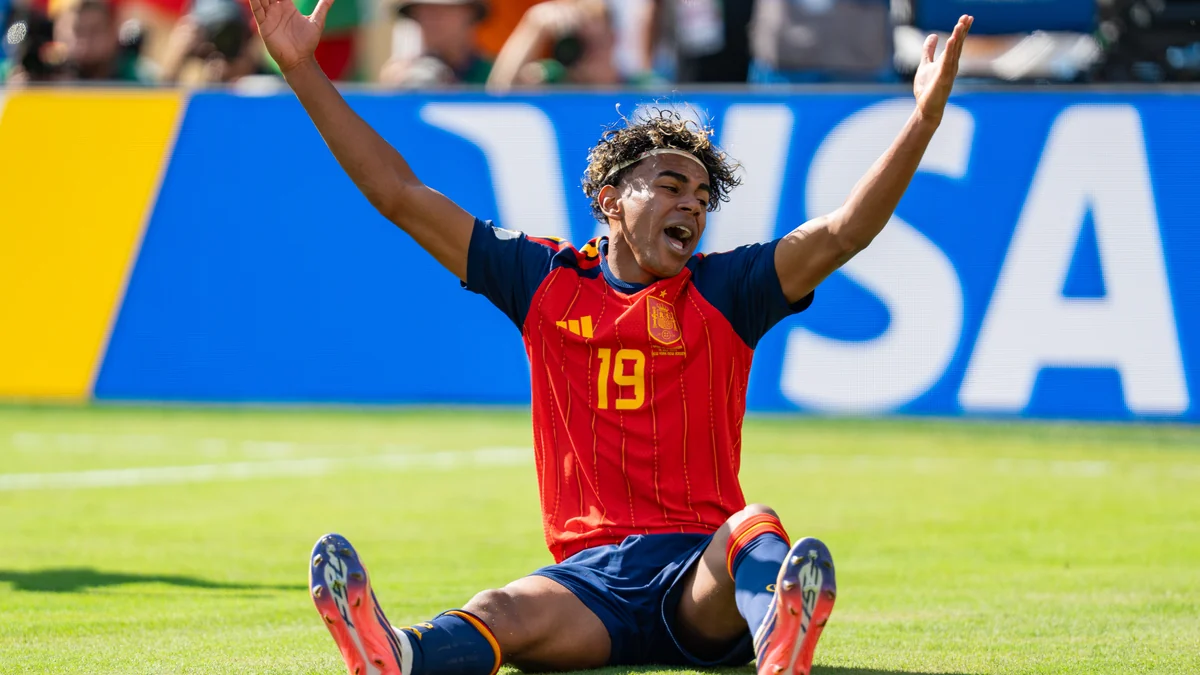
Who decides whether he plays and returns
The federation may call up the player and, where necessary, request an examination by a doctor of its choice. After he reports, availability does not guarantee match involvement: selection for the game is a technical decision for the national-team staff, subject to the player’s condition.
Barcelona remains responsible for the player outside the release period and may supply assessments, recommend treatment or discuss a return. During a mandatory international window, however, it cannot simply revoke the call-up. An early release requires action or agreement from the federation.
At the end of the release period, FIFA’s rules require the player to resume club duty within the regulatory deadline — generally 24 hours, extended to 48 hours when the national-team activity takes place in another confederation. The club and federation may also agree different arrangements.
The answer is therefore not “Barcelona” or “Spain” for every decision: the RFEF calls up and administers national-team participation; the federation may conduct the regulatory medical assessment; the coaching staff selects the team; and Barcelona receives the player back after the release period or a formal release.
Discover Becoartes
Visit [Becoartes](https://becoartes.com/) at Rua Gonçalo Afonso, 99, Vila Madalena, São Paulo.
Becoartes - Beco do Batman
99 Gonçalo Afonso Street, Vila Madalena, São Paulo