Laura Cardoso’s death, confirmed on August 17, 2026, in São Paulo, closes more than an artistic biography. It forces Brazil to look at a form of acting that helped build our collective memory: an actress who came from radio, crossed theater, met television while it was still a young language and, decades later, remained recognizable to audiences born long after she was already a veteran.
This subject fits the cultural filter because it is not celebrity for celebrity’s sake. Laura Cardoso is part of the formation of Brazil’s popular imagination. Her presence in telenovelas, films, television plays and recent public work shows how drama in Brazil became a meeting ground for industry, domestic affection, popular language and artistic prestige.
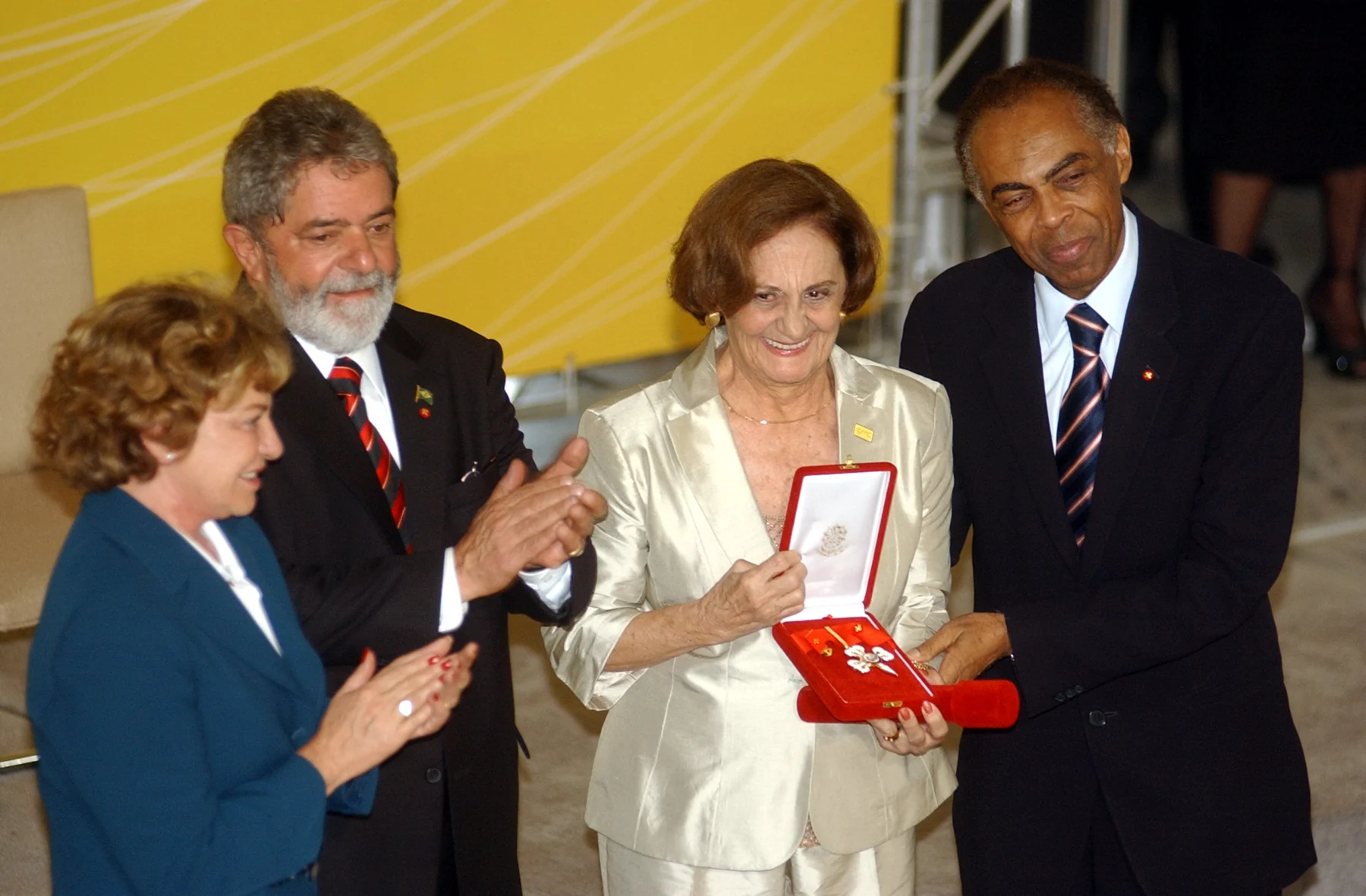
The Confirmed Fact
According to Brazilian outlets that covered the news this week, Laura Cardoso died at 98, at her home in São Paulo, on August 17, 2026. Folha reported that the wake took place on August 18 in Bela Vista, in the city’s central region. Globo changed its schedule to air a tribute in the special “Tributo,” recorded earlier, and the reaction brought together artists from different generations.
It is also confirmed that her career lasted about eight decades, spanning radio, theater, television and cinema. Globo had previously celebrated, in institutional material, her 80 years of work and dozens of television roles. UOL noted that her final telenovela was “A Dona do Pedaço,” in 2019, and that she still appeared in later public projects, including Globo’s 2025 year-end vignette.
Why Laura Cardoso Matters Now
The death of an artist of this scale always produces tributes, but the more important discussion is different: what her path reveals about Brazilian culture. Laura Cardoso belonged to a generation that did not strictly separate high culture from popular culture. She could be on stage, on radio, in auteur cinema or in a prime-time telenovela, and in all those spaces she carried the same idea of craft.
That idea is essential in 2026, when acting is often measured by virality, digital presence and clipped performances. Laura came from another time, but not from an old art in the dead sense of the word. Her strength was adaptability. She did not become a symbol because she stayed frozen in the past; she became a reference because she crossed technical, aesthetic and industrial changes without losing precision.
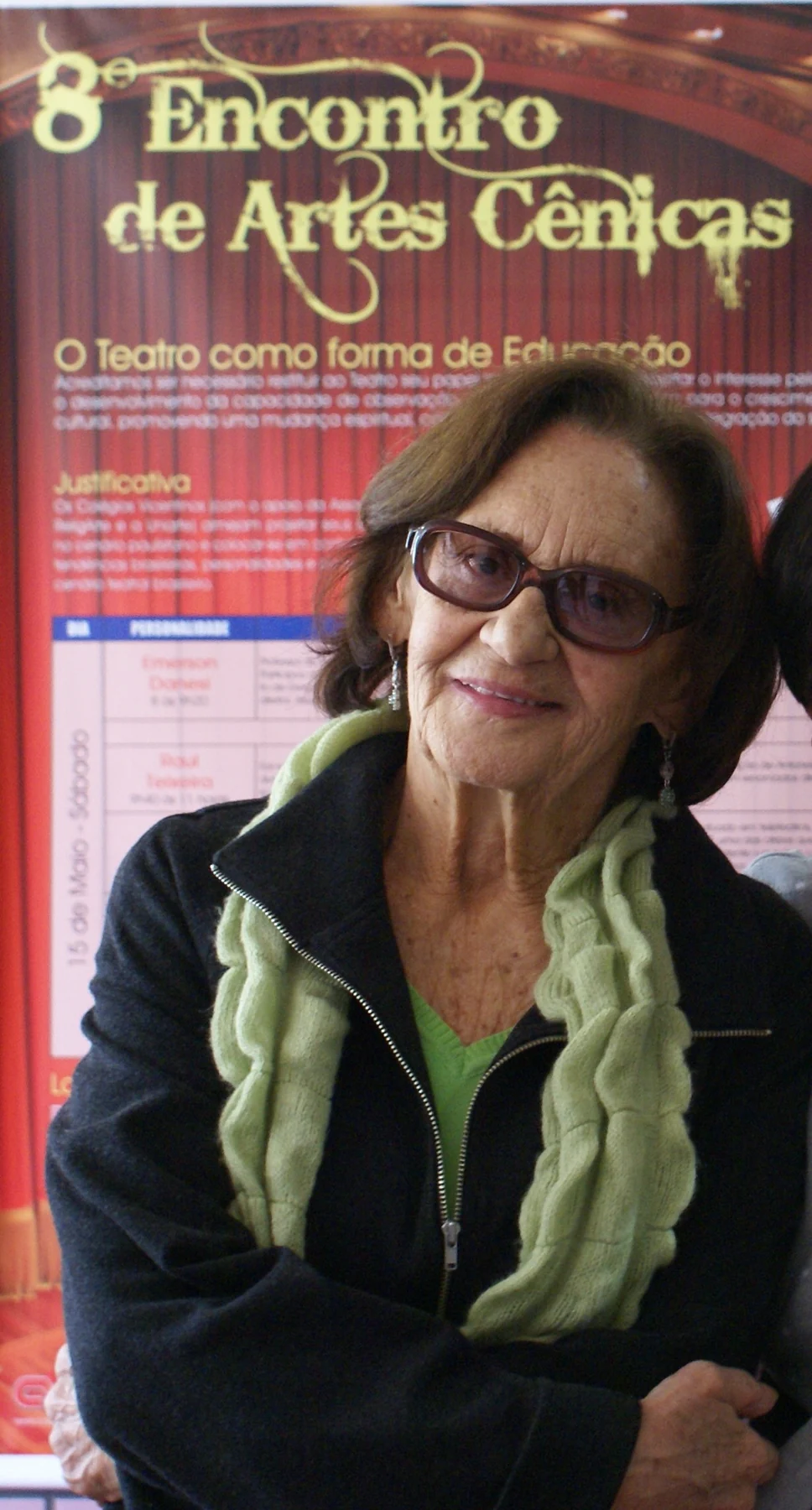
From the Brazilian Home to the National Repertoire
Brazilian television, especially the telenovela, created a peculiar form of cultural intimacy. Characters enter the living room, accompany meals, cross generations and blend into family memory. Laura Cardoso was one of the performers who understood that scale: acting for millions without flattening the character.
In “Mulheres de Areia,” “A Viagem,” “Chocolate com Pimenta,” “Caminho das Índias,” “Sol Nascente” and “A Dona do Pedaço,” her work became familiar without seeming automatic. Popular recognition came not only from repeated presence, but from variation. She could be warm, harsh, mysterious, religious, comic or bitter. The audience recognized the actress, but expected a new energy in each role.
That is a relevant cultural lesson: Brazilian popular drama is not sustained by plot alone. It depends on performers capable of creating human texture in characters that, on paper, might become only narrative functions. Laura Cardoso made small presences feel decisive.
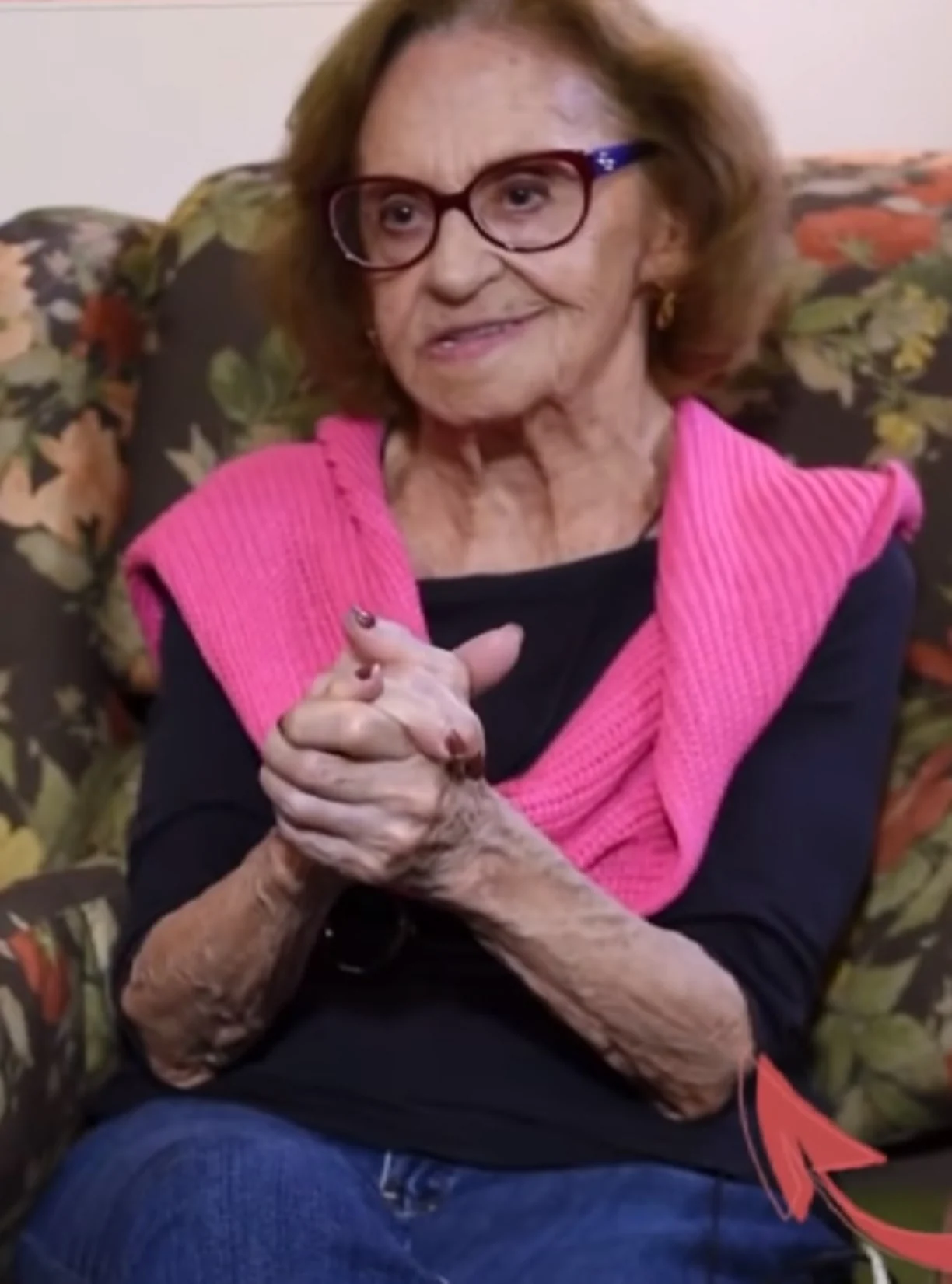
Cinema, Rigor and Memory
Although television amplified her image, reducing Laura Cardoso to telenovelas would impoverish her work. Folha recovered this week film-related testimonies, including memories from Walter Salles about her role in “Terra Estrangeira,” from 1995. The film belongs to an important moment in Brazilian cinema in the 1990s, when the country was reorganizing its audiovisual production after a deep crisis.
Laura’s presence in that context helps explain her reach. She was not simply a “TV actress” borrowed by cinema. She was a performer able to carry history in her body, voice and silence. This type of acting is rare because it does not depend on excess. Often, her impact came from restraint: a look, a pause, a line spoken without underlining emotion.
Fact and Interpretation
Confirmed fact: Laura Cardoso died at 98 in São Paulo; she had a long career in radio, theater, cinema and television; she received a Globo tribute; and outlets and colleagues remembered her as one of Brazil’s great actresses.
Editorial interpretation: her death comes at a moment when Brazil needs to discuss the preservation of audiovisual memory. The work of an actress like Laura does not live only in lists of characters. It depends on accessible archives, criticism, contextualized reruns, cultural education and circulation of films and programs. Without that, part of the history of Brazilian acting remains limited to the affectionate memory of those who saw it live.
What Her Path Teaches the Present
Laura Cardoso represents a work ethic that seems simple but is hard to sustain: taking every character seriously. In interviews, she spoke about professionalism, text, discipline and love for the craft. That posture outlives trends because it is connected to a basic question: what makes an artistic presence endure?
In her case, endurance comes from the combination of technique and closeness. Laura seemed to belong to the audience’s everyday life, but she never acted as if that were minor. Intimacy with viewers did not reduce rigor; it increased responsibility.
For young actors, her work suggests that longevity is not born only from exposure. It comes from listening, repertoire, physical resistance, emotional intelligence and respect for the language being used. For the public, she reminds us that Brazilian culture is also made by faces that accompanied social change without abandoning human complexity.
São Paulo as a Farewell Setting
There is a symbolic layer in the fact that Laura Cardoso died and was waked in São Paulo. The city holds a decisive part of the history of radio, television, modern theater, street cinemas, independent companies and popular forms of performance. It is not only an address; it is cultural infrastructure, working memory and artistic circulation.
Bela Vista, where the wake took place, carries a theatrical and urban tradition that speaks to Laura’s path. São Paulo was and remains a city of backstage work: rehearsals, studios, small venues, recordings, schools, festivals, film clubs and streets where culture mixes with the traffic of life.
A Farewell Without Erasing the Future
The best way to remember Laura Cardoso is not to turn her career into a fixed monument. It is to see her as part of a living line of Brazilian acting, from radio to television, from stage to streaming, from auteur cinema to mass culture. Her legacy does not ask for empty nostalgia. It asks for attention to the work.
In São Paulo, that attention can begin either in a movie theater or on a walk through neighborhoods where art appears on facades, stages, walls and encounters. For Becoartes, which observes culture from the city and its living circuits, Laura Cardoso leaves a key reading: Brazilian art endures when it meets the public without giving up depth.
Keep Following the Cultural Route
Read Becoartes for cinema, music, urban art and the cultural movements crossing São Paulo.
Becoartes - Beco do Batman
99 Gonçalo Afonso Street, Vila Madalena, São Paulo
Sources and credits
- Fabio Pozzebom/ABr — CC BY 3.0 br
- Sem Informação — Public domain
- Sonia M. Chiconi Balteiro - Lukaaz — CC BY 3.0
- VIVA — CC BY 3.0
- Folha de S.Paulo - Globo altera programação e exibe homenagem a Laura Cardoso após morte
- Folha de S.Paulo - Entrevista e memória de Laura Cardoso
- UOL Splash - Última novela de Laura Cardoso
- Rede Globo - Laura Cardoso recebe homenagem em Tributo
- Gshow - Laura Cardoso comemora 80 anos de carreira