The safest way to find a runner after the 2026 New York City Marathon is to agree in advance on a primary meeting place and a backup, follow the participant in the official app, and avoid depending on messages sent at the finish. The race takes place in New York on November 1, 2026; operational details may change and should be checked again through the organizer’s channels.
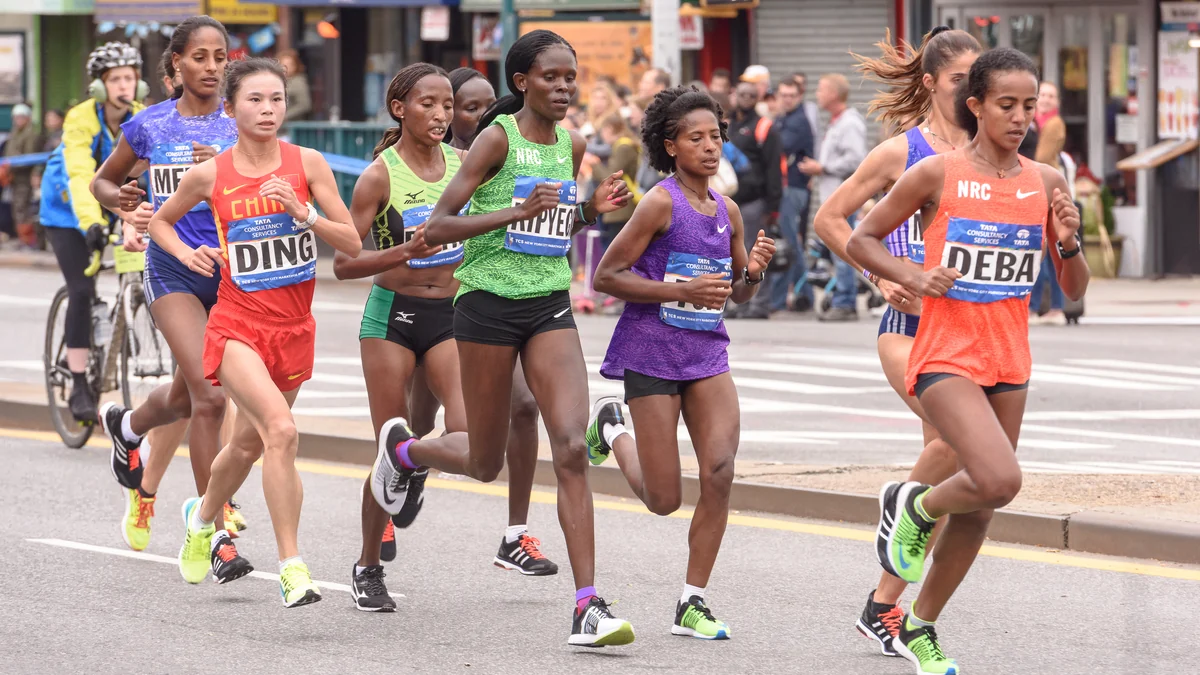
What is confirmed for 2026
The official race page says the marathon will be held on Sunday, November 1, and lists five start waves. The first wave start is scheduled for 9:10 a.m. and the last for 11:30 a.m., New York local time, although NYRR notes that these times are subject to change.
That means there is no single finish time that works for every family. A participant’s net time begins when that person crosses the start line, not at the event’s general start. To estimate a reunion time, add the runner’s expected race duration to the time they actually started, then allow a margin for the post-finish process.
The source provides an official finish map and an interactive map with points of interest. The material reviewed, however, does not confirm the blocks, alphabetical division, or operating hours of the Family Reunion area. It would therefore be unsafe to repeat addresses found in older guides. Check the finish map and current notices on the official page before leaving.
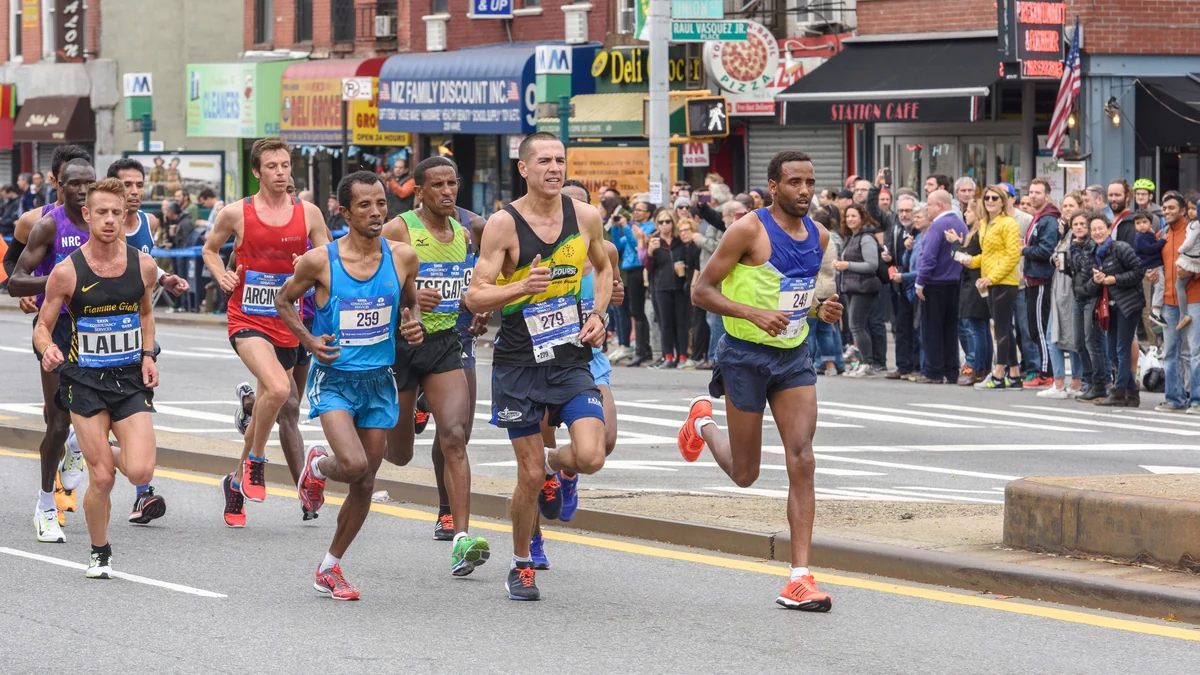
Treat tracking as an estimate, not a promise
The official New York Road Runners app lets spectators track runners along the course and receive updates at key moments. It also provides maps, spectator information, and race-day resources. During the event, the tracking and displayed results are unofficial; official results are published afterward.
Add the runner in advance and write down their name, bib number, and expected time range. Tracking can help determine when to approach the agreed meeting area, but an app update does not establish that the runner has already left the controlled finish flow.
A useful practical rule is for the companion not to leave the agreed place merely because the marker appears to have stopped or a message has not arrived. If everyone starts walking around looking for one another, the reunion becomes harder.
Agree on two places before the start
Choose a primary point using the latest official map and a clearly identifiable backup outside the most crowded area. The agreement should include a simple condition—for example, moving to the second location only after a waiting period chosen by the group.
The plan should work without internet access. Write down the exact street and intersection, choose which side of the street to wait on, and record the sequence of actions. Avoid descriptions such as “near the park” or “by the exit,” which may fit several places.
Decide who will remain stationary as well. The simplest arrangement is for the companion to wait while the runner completes the finish procedures and proceeds to the agreed location. This is a logistical recommendation, not an official NYRR instruction.
Bags are subject to inspection
NYRR’s security guidance says that bags and objects entering marathon venues and events are subject to inspection. This includes the Family Reunion, spectator areas in Central Park, and locations on Central Park West. Some entry points are on Columbus Avenue.
The organizer recommends not bringing a bag when possible and says strollers, carts, and coolers are not allowed in those areas. Carrying fewer belongings reduces what must go through screening, but does not remove the possibility of inspection.
The general NYRR item list also prohibits items including suitcases and rolling bags, folding chairs, glass containers, umbrellas, selfie sticks, and signs or flags larger than 11 by 17 inches. Whether an item is ultimately admitted to a secured area is subject to the discretion of law enforcement at the event. People with disabilities may request a reasonable accommodation through the accessibility contact listed on that page.
Runner-and-companion checklist
The day before the race, take a screenshot of the official map and keep the plan on paper as well. Confirm the bib number, primary point, backup point, and how long to wait before relocating. Keep phones charged, but treat mobile communication as support rather than the foundation of the plan.
On race day, the companion can use the app to estimate the runner’s progress and reach the chosen location without blocking access points. Anyone entering a controlled area should be ready for screening and follow instructions from staff on site.
If tracking stalls or cellular service is unavailable, follow the prior agreement: stay at the first point for the chosen interval, then proceed to the backup. There is no need to improvise a third option in the middle of the crowd.
Check again before setting out
NYRR itself says event information is subject to change. On Saturday, October 31, and again on the morning of Sunday, November 1, review the finish map, access points, and organizer alerts. Because the reviewed sources do not contain a marathon-specific transportation service bulletin, this guide does not prescribe a subway line or assume normal service.
For a future cultural stop in São Paulo, discover Becoartes at Rua Gonçalo Afonso, 99, Vila Madalena.
Discover Becoartes
Visit the Becoartes website and find the institution at Rua Gonçalo Afonso, 99, Vila Madalena, São Paulo.
Becoartes - Beco do Batman
99 Gonçalo Afonso Street, Vila Madalena, São Paulo