Yes. November 20, 2026 is a public holiday throughout Brazil. The Friday observance marks the National Day of Zumbi and Black Consciousness. It appears on the official list of national civil holidays for 2026, unlike dates classified as optional public-sector holidays.
Nationwide status, however, does not mean that every establishment will close, nor does it establish every employee’s schedule. Anyone planning work, travel, or a visit must check with the relevant employer, public agency, transport operator, or cultural venue.
Why November 20 applies across Brazil
Law 14,759/2023, as reported by Brazil’s Chamber of Deputies, made November 20 a national public holiday. It created one nationwide rule, replacing the earlier situation in which observance depended on state or municipal legislation in many places.
The calendar maintained by Brazil’s National Civil Registry Information System, or Sirc, confirms November 20, 2026 as Black Consciousness Day and classifies it as a national civil holiday. On the same list, Carnival, Ash Wednesday, Corpus Christi, and the eves of Christmas and New Year are identified as optional holidays, showing that the categories are not equivalent.
A national holiday is not an optional holiday
A national holiday is established by law and applies across Brazilian territory. An optional holiday, often called *ponto facultativo*, indicates that a particular administration or institution may suspend work; it should not automatically be understood as a day off for everyone.
This distinction prevents two common mistakes: treating November 20 as a decision made by each municipality, or assuming that every optional holiday has the reach of a national holiday. In 2026, the official classification of November 20 is clear: it is a national civil holiday.
The calendar category alone nevertheless does not determine how every activity will operate. Essential services, continuous operations, and authorized businesses may use their own schedules. The reviewed sources do not set out individual rules on hours, compensation, or pay for every professional category.
What workers should check
Anyone expected to work on November 20 should confirm their schedule and the rules governing their own employment arrangement. That confirmation should come from the employer and, where relevant, the official instruments and channels for the worker’s category. The calendar alone cannot establish whether there will be a shift, a schedule change, compensatory time, or another arrangement.
A practical checklist is to confirm in writing:
- whether work is scheduled for November 20;
- which shift has been communicated for the role;
- which rules apply to the employment arrangement and category;
- how questions or disagreements should be submitted through formal channels.
The same caution applies to schools and other institutions. The holiday is national, but any bridge day, replacement class, or operation on nearby dates depends on the organization’s own calendar.
Services may follow different schedules
The law establishes the holiday, not the opening hours of each service. Banks, government offices, shops, transport systems, healthcare units, museums, and cultural centers may follow different arrangements. Before traveling, check the institution’s official website or account for a notice specifically dated November 20, 2026.
Prefer current, dated announcements. A page showing ordinary hours does not necessarily describe holiday operations, and an older post cannot confirm what will happen in 2026. If no updated notice exists, the institution’s official contact channel is the safest reference.
For time-sensitive tasks, consider completing anything requiring in-person service in advance. The Sirc page, for example, lists holidays and optional holidays for a specific civil-registry deadline calculation; it should not be used to infer other institutions’ opening hours.
Why this date was chosen
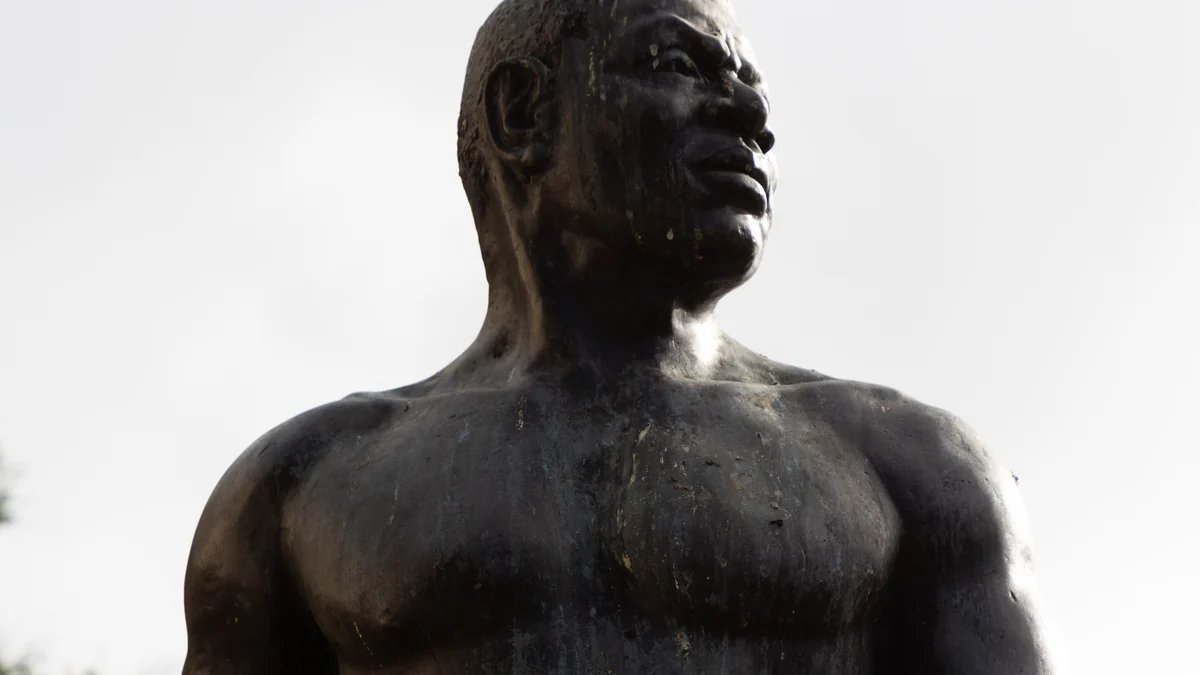
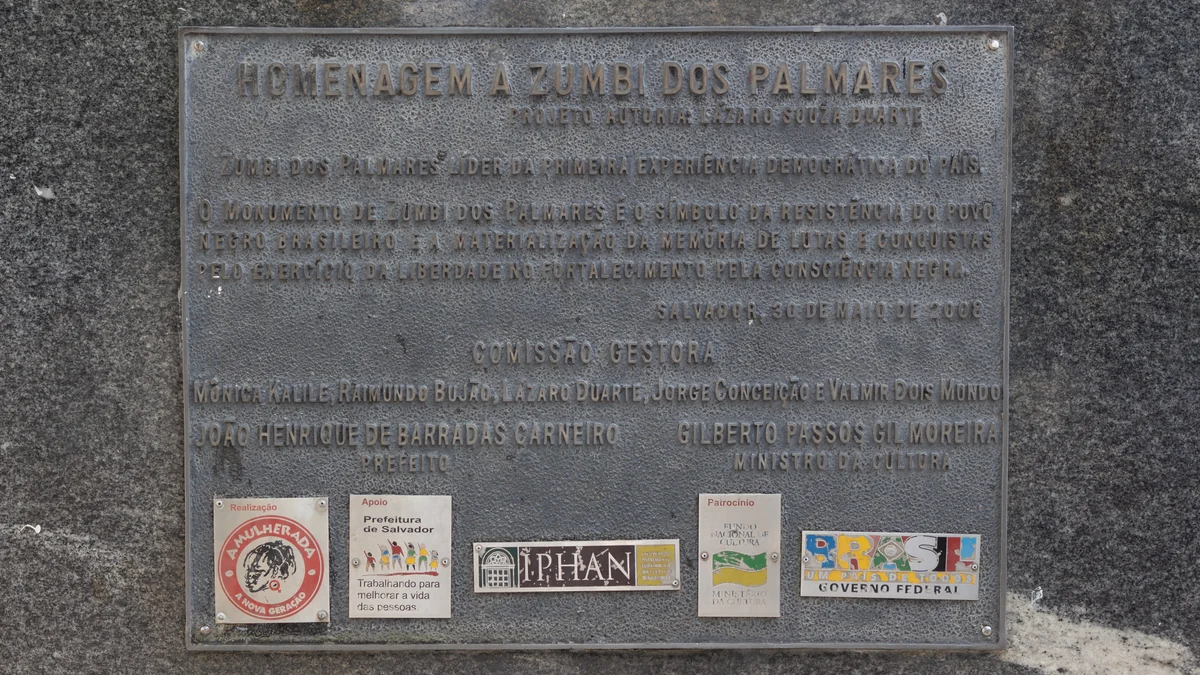
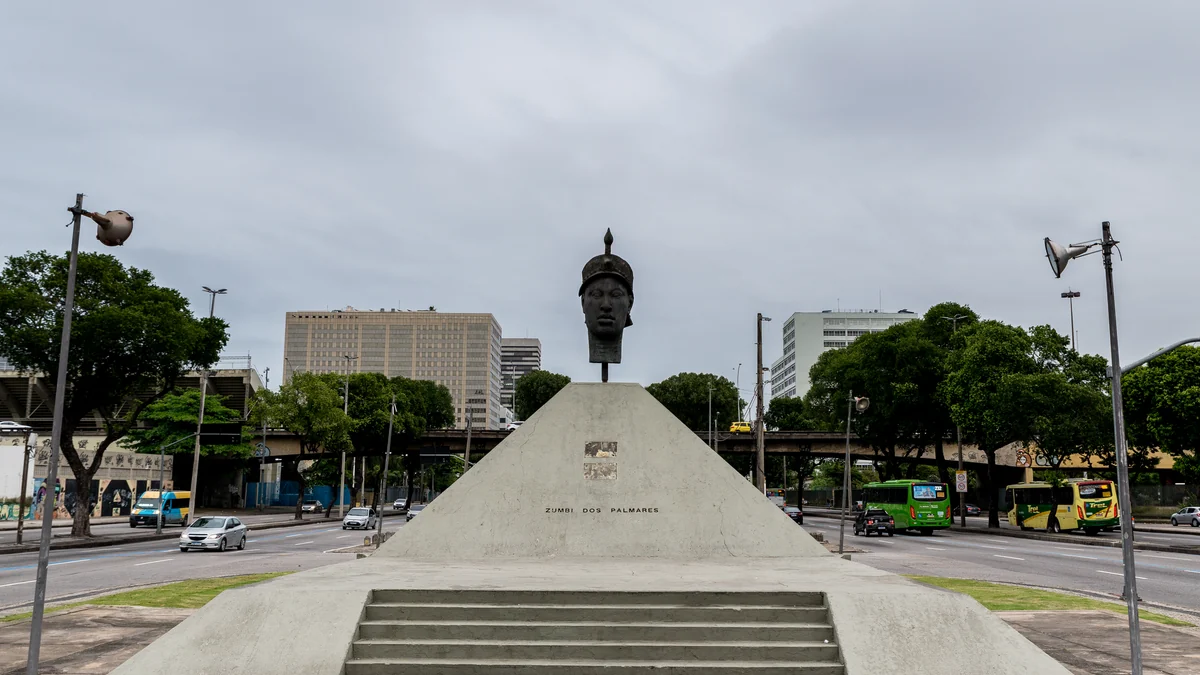
November 20 refers to the death of Zumbi dos Palmares in 1695. According to Agência Brasil, Zumbi led the Quilombo dos Palmares, a community established around Serra da Barriga, in what is now União dos Palmares, Alagoas, and associated with resistance to enslavement during Brazil’s colonial period.
The date also has a political history. The same source reports that the preference for November 20 was expressed in 1971 by Black students and activists in Porto Alegre who later formed Grupo Palmares. Their proposal shifted the focus of remembrance away from May 13 and toward Black resistance and agency.
In its November 2026 calendar, Agência Brasil describes the day as an occasion to mark the history of Brazil’s Black population and encourage reflection on racism and racial inequality. The holiday therefore combines a practical effect on the calendar with a historical meaning that goes beyond a day without ordinary work.
How to find reliable cultural programs
The reviewed sources do not confirm specific local events for 2026, so no activity or opening time can be recommended here. Look instead at the official portals of state and municipal culture departments, as well as the own channels of museums, libraries, cultural centers, universities, and Black-led institutions.
Before attending, confirm the date, address, registration requirements, and possible changes on the organizer’s page. Do not treat historical photographs, undated posters, or programs from earlier years as evidence of a current event.
The soundest plan combines both dimensions of the day: verify how the holiday affects your routine and use an official source to choose an opportunity to learn about Black Brazilian history and cultural production.
Discover Becoartes
Becoartes is located at Rua Gonçalo Afonso, 99, Vila Madalena, São Paulo. Check the address and institutional information at [becoartes.com](https://becoartes.com/).
Becoartes - Beco do Batman
99 Gonçalo Afonso Street, Vila Madalena, São Paulo
Sources and credits
- Wellington Da Costa Gomez — CC BY-SA 4.0
- Wellington Da Costa Gomez — CC BY-SA 4.0
- Donatas Dabravolskas — CC BY-SA 4.0
- https://www.camara.leg.br/noticias/1029291-LEI-TORNA-FERIADO-NACIONAL-O-DIA-20-DE-NOVEMBRO%2C-DIA-NACIONAL-DE-ZUMBI-E-DA-CONSCIENCIA-NEGRA
- https://www.sirc.gov.br/feriados-e-indisponibilidades-sirc/
- https://agenciabrasil.ebc.com.br/geral/noticia/2026-10/hoje-e-dia-datas-fatos-e-feriados-de-novembro-de-2026
- https://agenciabrasil.ebc.com.br/direitos-humanos/noticia/2025-11/20-de-novembro-saiba-origem-da-data-e-quem-foi-zumbi-dos-palmares
- https://www.cnnbrasil.com.br/nacional/dia-20-de-novembro-e-feriado-nacional-entenda/