The short answer is that Sam Altman said DRAM installed in computers would be used only 5% of the time, but he did not present that figure as the result of measuring home PCs. He was discussing where a supposedly limited global supply should be allocated—individual machines or data centers—in the context of running artificial intelligence models locally. The remark announced no removal, restriction, or other change to consumer memory.
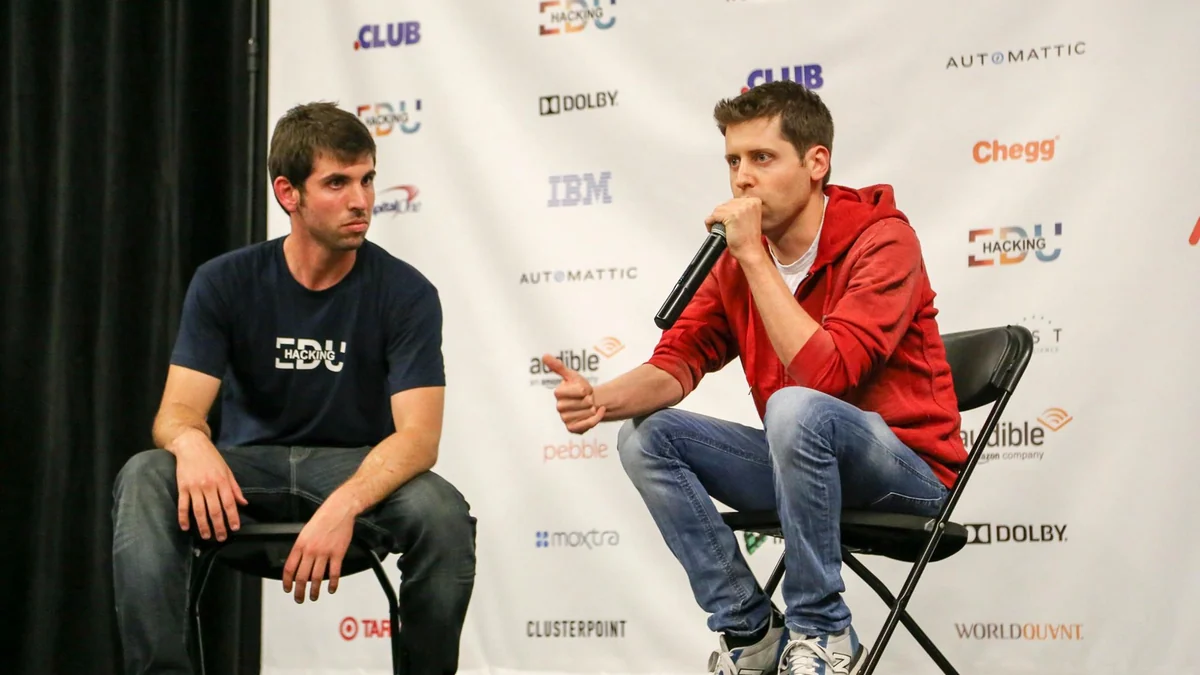
What Altman actually said
During Altman’s interview with John Collison on Cheeky Pint, the conversation turned to computing resources, semiconductors, and local inference. In the passage reproduced by The Verge, Altman noted that many people expect to run open models on their own computers and therefore depend less on data-center infrastructure.
Within that comparison, he called it bad, from a “global allocation” perspective, to keep part of the limited DRAM supply in computers where it would be used 5% of the time. He then argued for maximizing cloud resource utilization while supply is constrained.
The comment did not refer to the system monitor showing the percentage of memory occupied at a particular moment. Altman was making an argument about frequency of use and shared infrastructure: memory distributed among privately owned devices or concentrated in servers serving many users.
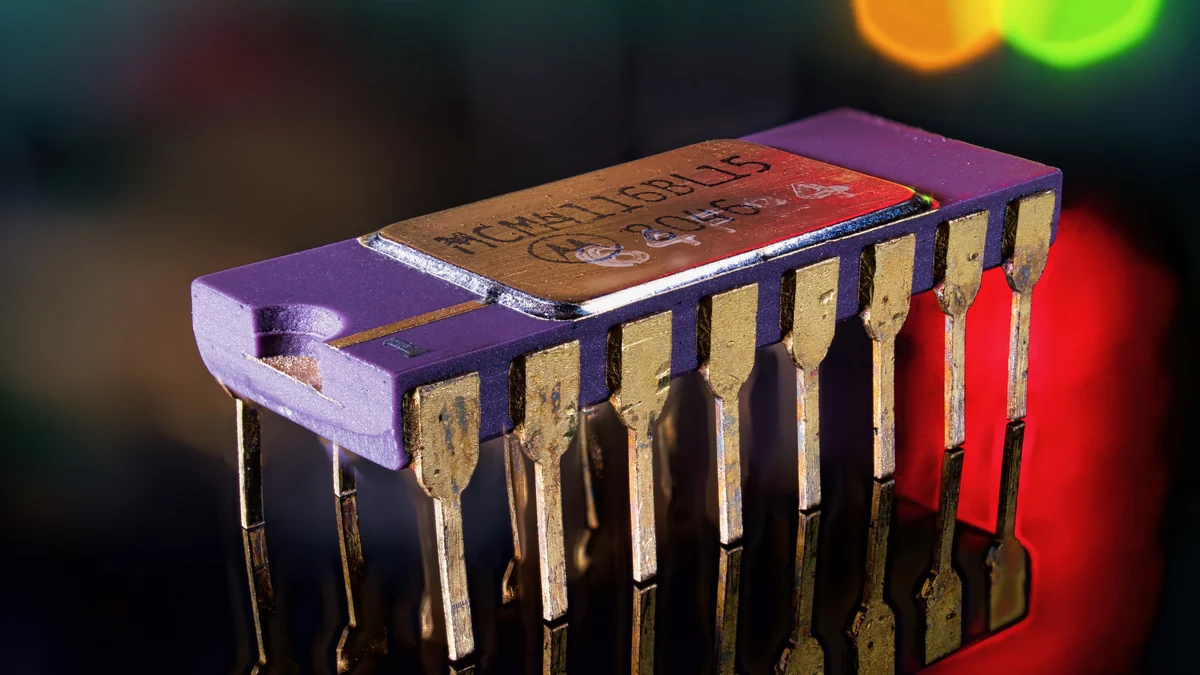
Why 5% is not a proven statistic
The interview supplied no study, sample, observation period, definition of “use,” or calculation supporting the percentage. GIGAZINE likewise found that no basis for the 5% figure or quantitative comparison between the real efficiency of PCs and the cloud was provided.
That prevents the remark from being treated as a universal statistic. The passage does not clarify whether Altman meant the time a particular amount of capacity is occupied, periods devoted to AI inference, or an informal estimate. Crucially, saying memory is “used 5% of the time” is not the same as saying a computer uses only 5% of its RAM capacity.
The number is part of Altman’s case, but it is not a technical diagnosis. Determining a machine’s memory use would require observing its workload, applications, and behavior over time. The interview did not perform that test.
RAM and DRAM: the relevant distinction
RAM is the broad term for random-access memory used as working space by computers and other devices. DRAM is a dynamic RAM technology, and it is the term Altman used in the published passage. Headlines may shorten the reference to “RAM,” but they should not change the metric: he spoke about time in use, not the percentage of installed capacity.
The supplied sources do not support a technical comparison between PC DRAM and HBM or other specialized accelerator memory. This article therefore does not attribute to Altman a comparison he did not make in the documented passage. The substantiated conclusion is narrower: he contrasted DRAM kept in computers for local inference with shared memory utilization in the cloud.
Installed capacity and continuous utilization are also different concepts. A computer can keep memory available for tasks performed at particular times; a data center can divide infrastructure among requests from many users. That explains the economic reasoning, but does not prove that centralizing memory is always the best choice.
Local inference and the cloud serve different needs
Local inference means running a model on the device itself; in the cloud, processing takes place on remote infrastructure. Centralization may increase aggregate resource utilization, but that is only one aspect of the choice.
GIGAZINE notes that local AI can work without a connection and process data without sending it to an external server. Because the operating models differ, memory utilization alone cannot determine which option is superior.
Engadget also points out that computers use memory for gaming, live streaming, video editing, and other demanding tasks. Installed DRAM does not exist exclusively to run AI. Looking only at the frequency of local inference excludes the machine’s other uses from the comparison.
PC Gamer frames the remark as criticism of perceived inefficiency in local inference rather than an attack aimed specifically at PC gamers.
Nothing changes now for people using or buying a PC
The statement was not a product announcement, government policy, or OpenAI rule. Altman did not propose confiscating memory, preventing upgrades, or mandating a reduction in capacity available to consumers. The passage records a preference for the cloud during a discussion of resources described as scarce.
The supplied sources also contain no US-specific measurement validating the 5% figure for home computers. This English-language edition explains the original interview; it does not demonstrate a measured national pattern. The remark offers no basis for recommending that someone buy less RAM, remove modules, or abandon local applications. That choice should continue to reflect the software and tasks each person actually runs.
TechSpot describes the position as a preference for directing memory toward data centers, where hardware could operate more consistently. That clarifies the thesis; it does not prove the percentage.
The most accurate interpretation
The reading supported by the sources is narrow: Altman advocated concentrating DRAM in the cloud to increase collective utilization amid constrained supply. The 5% figure illustrated that case without a published methodology. It does not measure how much of your PC’s RAM capacity is used or establish that keeping memory at home is always wasteful.
No immediate consequence for consumers was announced. The episode is more useful as a debate about who controls AI infrastructure—the user on their machine or a provider in the cloud—than as advice on configuring a computer.
Discover Becoartes
Visit [Becoartes](https://becoartes.com/) at Rua Gonçalo Afonso, 99, Vila Madalena, São Paulo.
Becoartes - Beco do Batman
99 Gonçalo Afonso Street, Vila Madalena, São Paulo
Sources and credits
- Alexlcory — CC BY-SA 4.0
- Dave Ruske — CC BY 4.0
- Cheeky Pint — transcrição integral da entrevista com Sam Altman
- PC Gamer — análise da fala no contexto de inferência local
- https://www.theverge.com/ai-artificial-intelligence/1023820/sam-altman-ram-shortage-cloud-servers
- https://www.engadget.com/2303266/sam-altman-says-its-terrible-dram-computer/
- https://www.techspot.com/news/114398-sam-altman-terrible-ram-sit-inside-pcs-instead.html
- https://gigazine.net/gsc_news/en/20261102-sam-altman-ram-cloud-then-desk/