A tornado watch means tornadoes are possible in the designated region: prepare, monitor alerts, and identify where you will shelter. A tornado warning means a tornado has been sighted or indicated by radar and requires immediate action. Always verify the area, expiration, and instructions that apply to your address through official channels.
As of the 20:20 UTC update on November 2, 2026, the Storm Prediction Center (SPC) listed Tornado Watch No. 701, issued at 19:25 UTC, updated at 19:53 UTC, and scheduled to expire at 04:00 UTC on November 3. The available extract does not identify the covered counties. Because conditions and weather products can change, check the SPC page and your local National Weather Service (NWS) office before deciding whether the alert applies to your location.

A watch means prepare
According to the NWS guide to tornado alerts, the SPC issues a watch for counties where tornadoes may occur. It usually covers a broad area that may include numerous counties or even portions of multiple states.
A watch does not mean a tornado has been confirmed over your city, but it should not be ignored. Review your emergency plan, check your supplies, and identify your safe room. Keep a reliable source of information available and be ready to act quickly if a warning is issued or you suspect a tornado is approaching.
In the official product, check the watch number, issue date, expiration, and covered area. Do not infer coverage solely from a social media post or a state name: relevant boundaries may be defined by county and can change in later products.

A warning requires immediate action
A tornado warning is issued when a tornado has been sighted or indicated by radar. The NWS describes this as an imminent danger to life and property. A warning usually covers a much smaller area than a watch—roughly a city or small county—and is issued by the local forecast office.
Move immediately to an interior, windowless room on the lowest floor of a sturdy building. Do not wait to see a funnel or go outside to record it. The NWS notes that tornadoes can occur during the day or night and at any time of year; although most common in the Central Plains and southeastern United States, they have been reported in all 50 states.
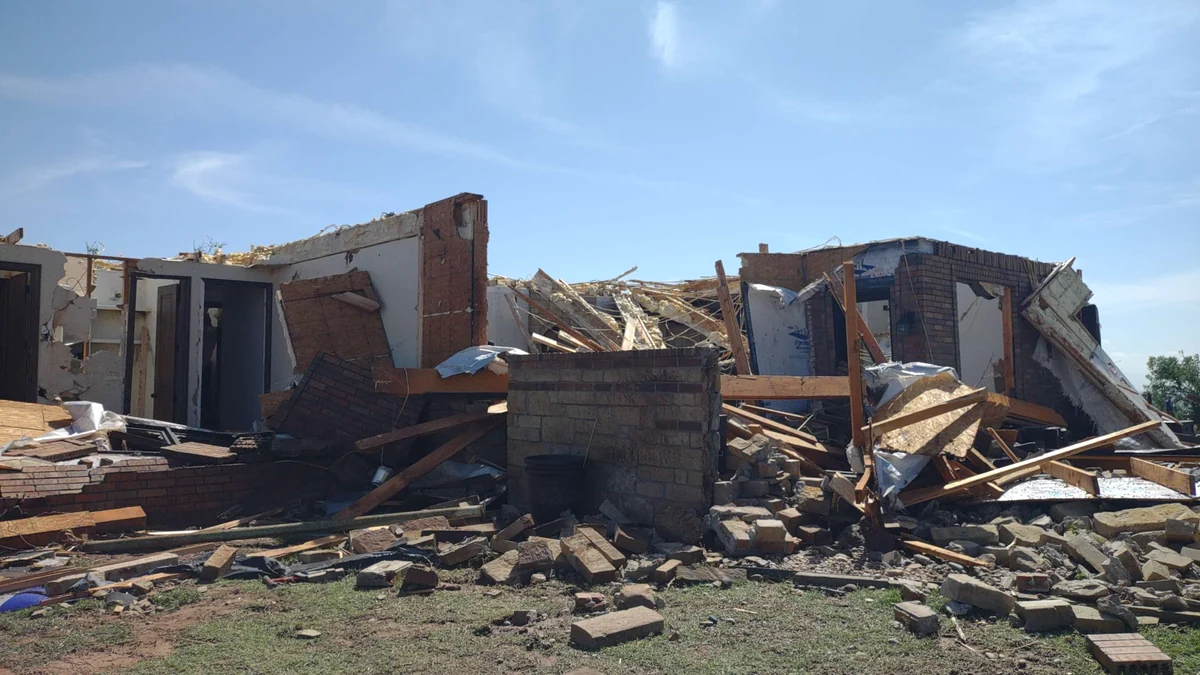
There is also a tornado emergency, the highest alert level described by the NWS. It is issued when a violent tornado has touched down in the watch area, there is a severe threat to life and property, and catastrophic damage has been confirmed. Seek the safest available location immediately and continue monitoring the local forecast.
The decision in three lines
- Tornado watch: prepare, review your plan, organize protective items, and monitor alerts.
- Tornado warning: seek shelter immediately; a tornado has been observed or indicated by radar.
- Tornado emergency: move to the safest place without delay; this is the NWS’s highest alert level.
A siren, phone notification, or translated message may omit details. Open the original alert and confirm the location, issue time, expiration, and any updates. If a watch and warning appear together, follow the more urgent instruction that applies to your area.

Where to shelter
If there is no basement, choose a small central room on the lowest floor, such as a bathroom or closet, or a windowless interior hallway. Crouch low and protect your head. Thick blankets, a mattress, or other padding may reduce exposure to debris; the SPC identifies flying debris as the greatest tornado hazard.
In a mobile or manufactured home, the SPC safety guide recommends leaving for an underground shelter or a permanent, sturdy building. This move should be part of a plan made before the storm, rather than improvised when a tornado is already close.
In an office building, hospital, or high-rise, go to an enclosed interior area without windows on the lowest floor possible. Avoid elevators, which may stop if power fails. At school, follow the institution’s drill and stay away from windows, gyms, and auditoriums.
If you are driving or outdoors
Vehicles are extremely risky during a tornado. Your priority is to reach a sturdy building or underground shelter when that can be done safely. Do not try to outrun a tornado in a vehicle, and do not shelter under a bridge: it offers little protection from debris and can create a dangerous traffic obstruction.
If extreme winds or flying objects are already striking the vehicle, the SPC advises parking safely outside traffic lanes, keeping the seat belt fastened, lowering your head below the windows, and covering it. Outdoors, seek a sturdy building; if that is impossible, lie face-down on low ground, protect the back of your head, and move away from trees and cars.
How to verify the right alert
Start with the SPC’s Current Watches page to check active convective watches. For warnings and local instructions, consult the NWS office responsible for your area and official alerts delivered locally. NOAA Weather Radio and local radio or television can also help you follow changes.
Do not treat the time shown in a screenshot as proof that a product remains valid. Check the date, stated time zone, expiration, included counties, and whether it was updated or canceled. Preparing during a watch means that, if a warning arrives, the decision has already been made: go to shelter, stay away from windows, and do not lose time deciding what to do.
Discover Becoartes
Visit [Becoartes](https://becoartes.com/) at Rua Gonçalo Afonso, 99, Vila Madalena, São Paulo.
Becoartes - Beco do Batman
99 Gonçalo Afonso Street, Vila Madalena, São Paulo
Sources and credits
- US Government Employee — Public domain
- US Government Employee — Public domain
- National Weather Service Norman — Public domain
- US Government Employee — Public domain
- National Weather Service — Tornado Safety
- National Weather Service — Tornado Watch vs. Warning
- NOAA Storm Prediction Center — Current Watches
- NOAA Storm Prediction Center — Tornado Safety