Brazil’s Chamber of Deputies has completed its vote on a fiscal package that would give the federal government greater scope to restrain spending from 2027. The Chamber issued its final bulletin at 12:46 a.m. on Tuesday, November 24, Brasília time. The main text passed on Monday night by 353 votes to 128, with five abstentions, but separate votes on individual provisions were still pending at that point. Once those were completed, the Senate’s version stood unchanged. On Tuesday morning, the Chamber’s tracking page listed Complementary Bill 299/2026 as awaiting referral for presidential assent. Congress has finished voting; the package is not yet law.
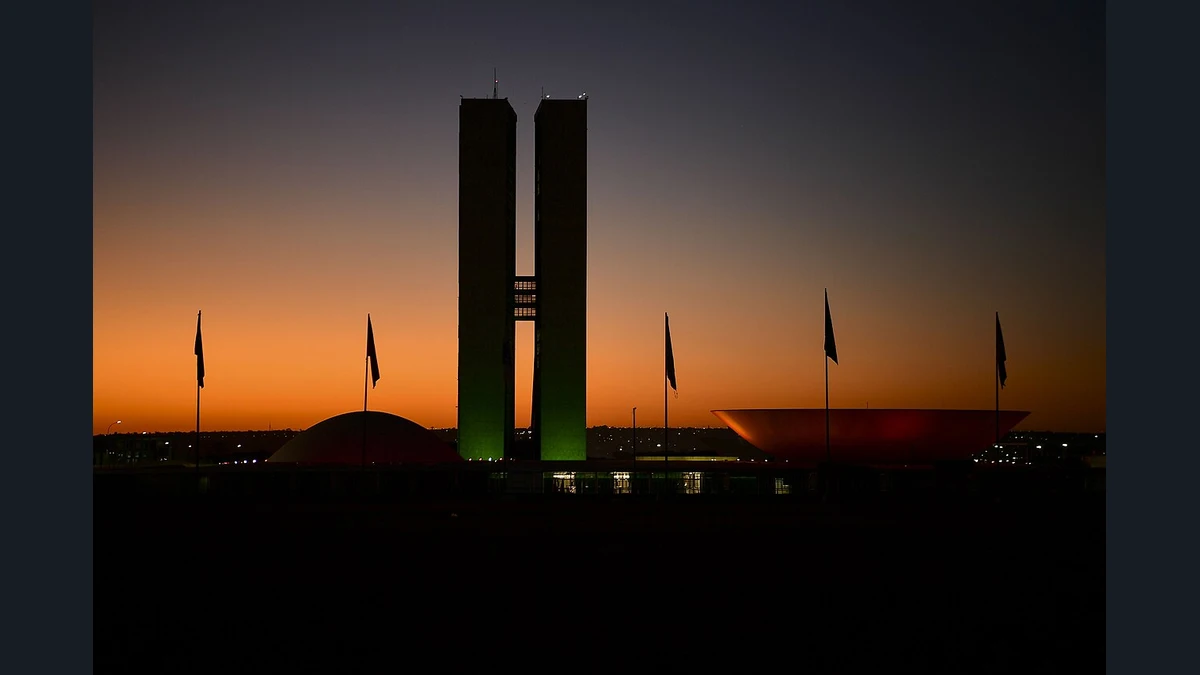
What the 353 votes actually approved
The first tally, which made headlines on Monday night, concerned the main text before votes on separate provisions. Lawmakers can ask to single out individual passages or amendments and vote on them apart from the package. That is why the initial bulletin and the later results report describe different stages of the same sitting. The Chamber’s tracker lists 90 amendments submitted on the floor. Deputies voted on the amendments and on separate requests after passing the main text. None of those votes changed the Senate’s version. One request, for instance, sought to remove the provision on Kandir Law transfers; the Chamber kept it by 310 votes to 132.
Mauro Benevides Filho, the Chamber’s rapporteur, recommended keeping the Senate text intact. With both houses agreeing on the same wording, the proposal need not return to the Senate to reconcile differences. The Chamber says the next step is referral to the presidency. Presidential assent or veto, publication of the legal text and the date a provision begins to apply are separate events. The overnight announcement therefore supersedes the earlier report that only the main text was approved. It does not mean that any appropriation has already been reduced.
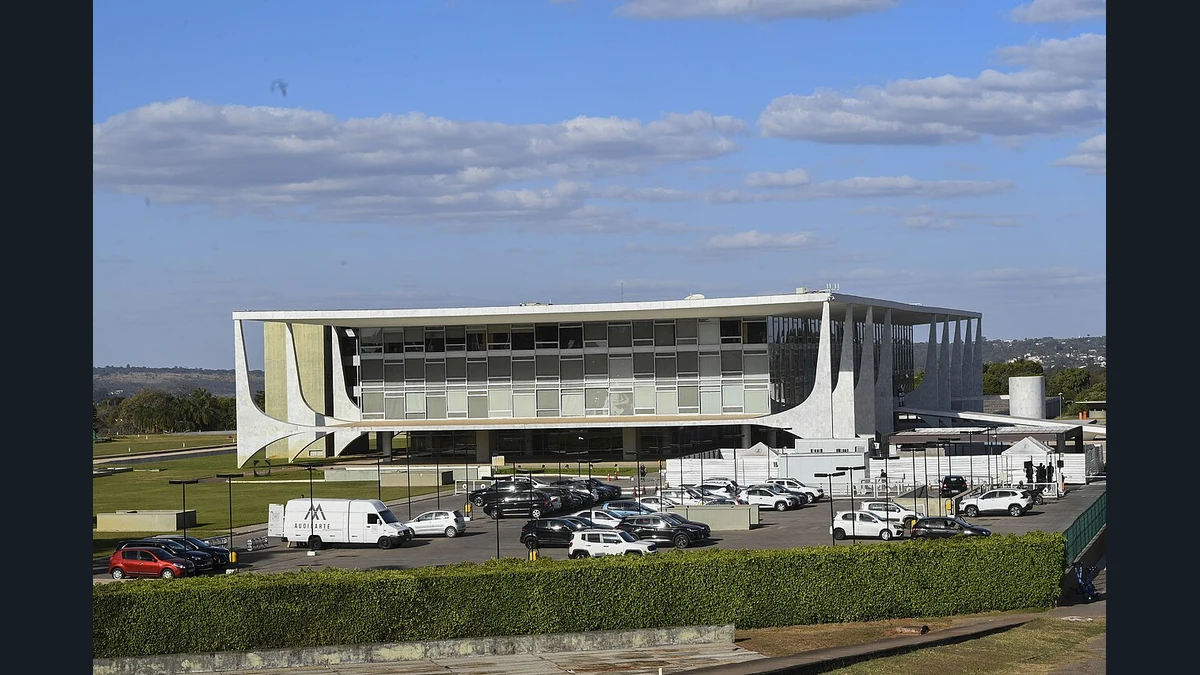
How an additional spending restriction would work
The bill would add a tool to Brazil’s federal fiscal framework. From 2027, if a two-monthly review of revenue and spending finds that existing controls are insufficient to meet the fiscal target, the executive could restrict additional expenditure. When this new measure is used, spending growth after inflation could not exceed 2%, compared with the upper limit of 2.5% currently permitted under the framework. The percentages are growth limits, not across-the-board cuts to each ministry’s budget. In other words, the rule would set a lower speed limit for eligible spending when the mechanism applies.
The additional restriction would be limited to executive spending. The proposal excludes constitutional obligations, mandatory expenditure, debt service, certain science and technology spending funded by the federal research fund, and items protected under the budget guidelines law. Where this mechanism leads to the reduction or cancellation of appropriations, the budget law would identify the amounts and programmes affected. A local institution monitoring a grant or service should look for those entries, not infer a loss from the vote count. The bill also provides for a lower base for future spending growth if the amount restrained exceeds what is needed to stay within the 2% limit.
A fiscal target is not the same thing as savings already made
The primary balance compares government revenue with expenditure before interest on public debt. A positive result is a primary surplus, not necessarily a reduction in debt or a pot of money available to spend. The Chamber explains that the initial 2027 target corresponds to 0.5% of economic output, or R$83.4 billion in nominal terms. After deductions permitted under the fiscal rules, the figure cited in the overnight bulletin is about R$18.7 billion. These are figures for the same target on different accounting bases; adding them would not produce a meaningful estimate of savings.
The proposal also changes the timetable for transfers under the Kandir Law, a system for compensating states over tax relief on exports. It modifies the reduction of tax benefits already covered by a federal rule and would allow the annual budget to direct some non-repayable resources from the federal science and technology fund toward scholarships and training. Granting that permission does not create individual awards or change an existing call for applications.
What to monitor after the overnight vote
Start with the official page for Complementary Bill 299/2026, which records the steps in the Chamber and provides the text received from the Senate. If assent follows, the version published in the Official Gazette will show which provisions became law and when they apply. If the president vetoes any provisions, the official publication will identify them. For the practical effect on spending, the useful documents are the subsequent two-monthly revenue and spending report and any budget provisions that reduce or cancel specified appropriations. The vote clears a path to changing how the government executes the budget; it does not give readers an immediate list of services that will lose funding.
Image credits. Context photographs resized and framed with margins, without cropping. Pedro França/Agência Senado, via Wikimedia Commons (CC BY 4.0).jpg) (CC BY 4.0); Carlos Moura/Agência Senado, via Wikimedia Commons (CC BY-SA 4.0).jpg) (CC BY-SA 4.0).
Sources for this story
Original documents are linked in the article.
Becoartes - Beco do Batman
99 Gonçalo Afonso Street, Vila Madalena, São Paulo