Celtic and Rangers played twice in seven days, but the second match was not simply a repeat of the first derby. On September 13, Rangers won 3–0 at Ibrox and knocked their rivals out of the Premier Sports Cup. On September 20, at Celtic Park in the William Hill Premiership, they won 1–0. The second result delivered points in a table that ended the day with Celtic top and Rangers two points behind—a very different consequence from the immediate qualification available in a knockout tie.
This comparison answers the central question: the cup’s 3–0 scoreline was a recent reference, not an automatic forecast for the league. The competition, venue, required outcome and position within the season changed; Rangers, meanwhile, kept the same starting XI.
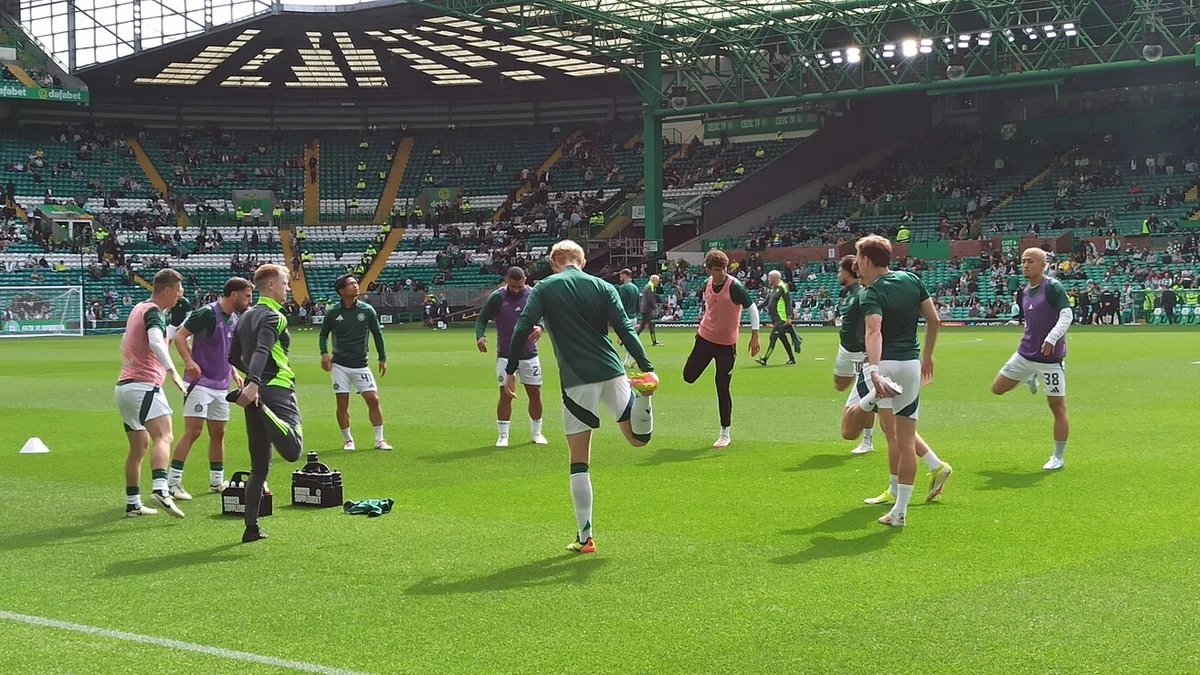
Knockout football and league play require different readings
The September 13 match was a quarter-final. According to the SPFL’s official report, Dan Neil opened the scoring in the first half, Kevin Kelsy extended the lead in the 59th minute and Neil scored again with 15 minutes remaining. The 3–0 win sent Rangers into the semi-finals and ended Celtic’s run in that cup.
That format concentrates the consequence in one match: advance or be eliminated. In the league, every result forms part of a longer campaign. The SPFL’s official Rangers page records the 1–0 result on September 20 and shows Celtic on 18 points and Rangers on 16 after seven games. The rematch therefore could not reverse the previous week’s elimination. It narrowed the gap between the rivals in the Premiership table.
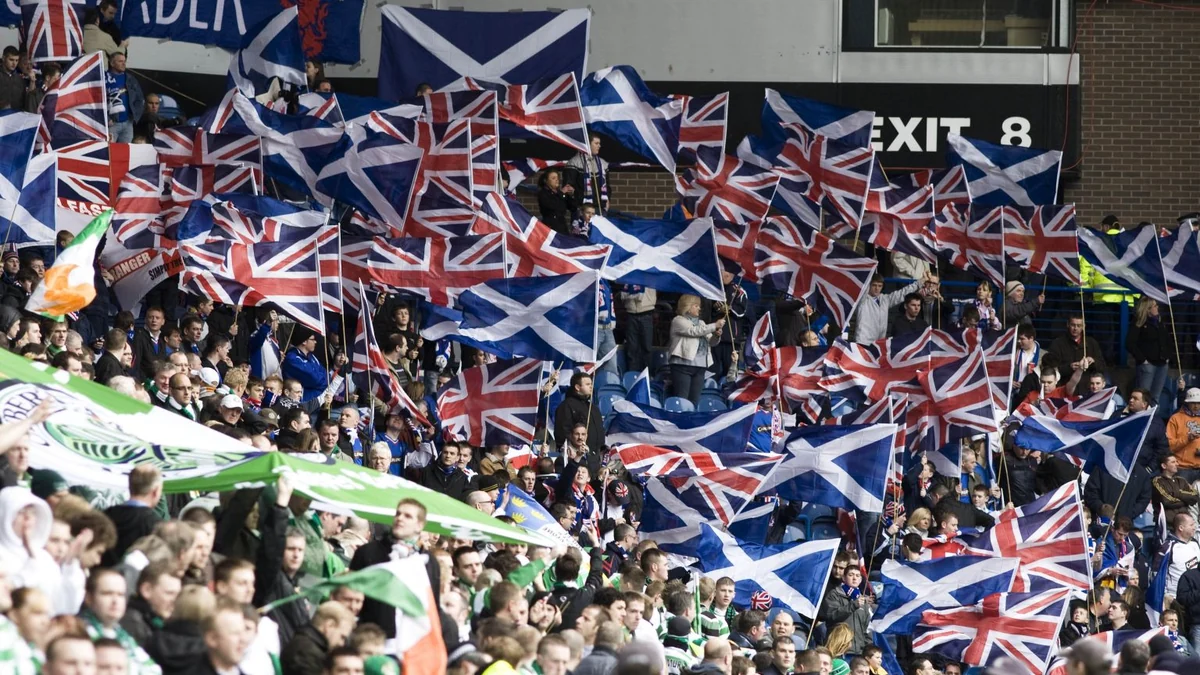
Home advantage was reversed
The first game took place at Ibrox, Rangers’ home. The second was played at Celtic Park, with Celtic as the home side. That reversal changes the frame of the contest even before any tactical decision: it changes which club occupies its own stadium and which must play on its rival’s ground.
The results were not mirror images either. Rangers scored three times at home in the cup and won by the narrowest margin away in the league. That calls for caution when interpreting the second match solely through the previous scoreline. The second victory confirmed that Rangers had beaten Celtic again, but it did not reproduce the attacking pattern of the 3–0 win.
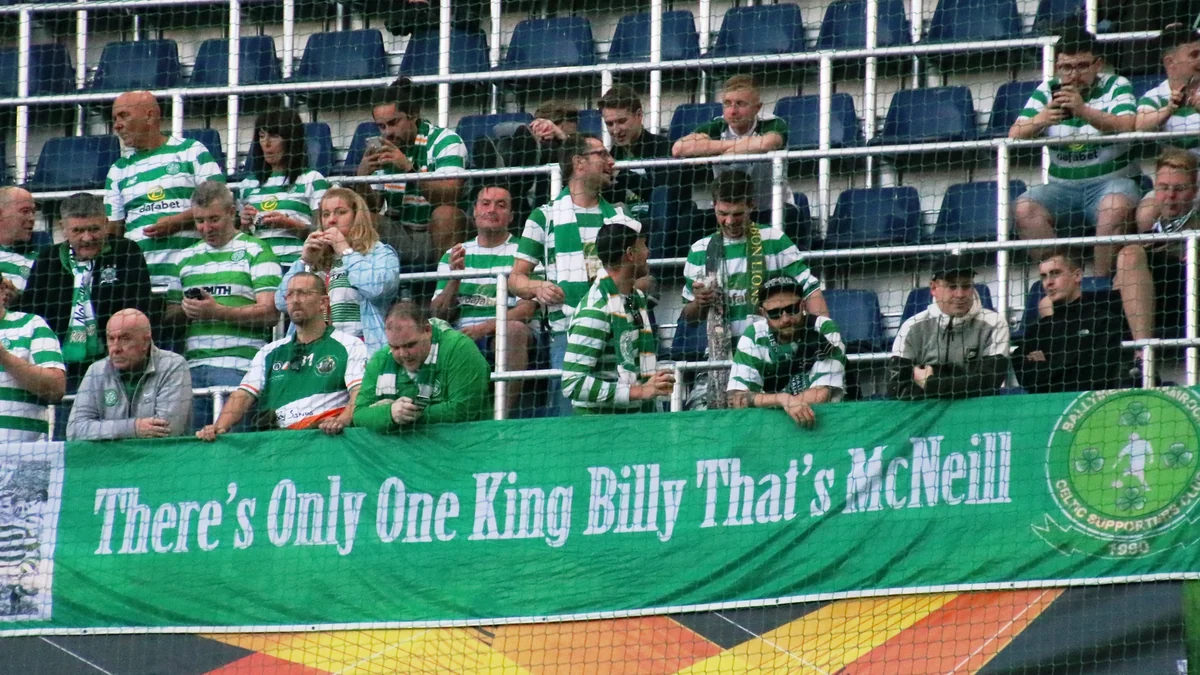
Rangers kept the lineup, not the scoreline
One important variable remained stable. Rangers confirmed before the rematch that Derek McInnes retained the entire starting XI from the cup victory: Ivor Pandur; Dujon Sterling, Emmanuel Fernandez, Olwethu Makhanya and James Penrice; Dan Neil and Nico Raskin; Minsu, Djeidi Gassama and Kevin Kelsy; Ryan Naderi.
Keeping all 11 starters makes the comparison unusually clear. The team was the same, but the competitive environment and venue were not. The smaller scoreline at Celtic Park shows why lineup continuity does not equal a repeated result. It removes one variable from the analysis without removing all the others.
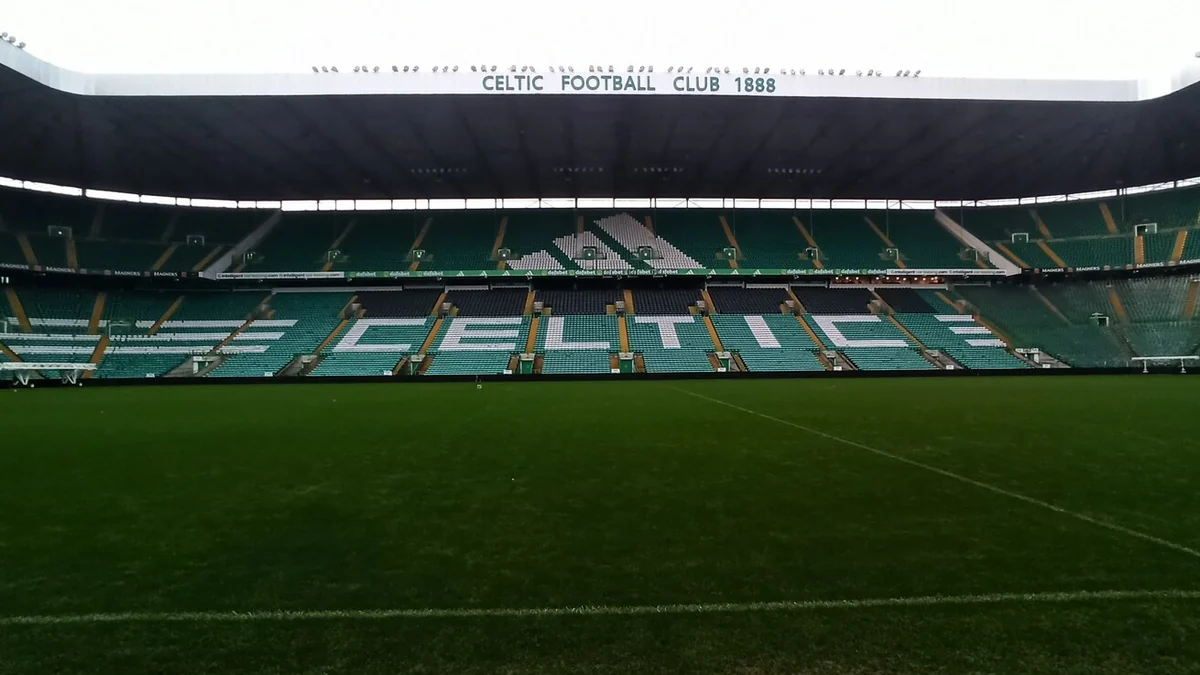
Why the derbies were one week apart
The proximity came from the calendar, not from a series planned between the clubs. The SPFL explained that the Premier Sports Cup quarter-finals were brought forward to September 12 and 13. This allowed a Premiership round to be held on September 19 and 20 before the extended break created by FIFA’s new international calendar.
The fixture-planning document also says the first league meeting between Celtic and Rangers was scheduled later than usual, partly because of that new international window. The cup draw, combined with the league’s prearranged schedule, created meetings on consecutive Sundays: September 13 and 20, exactly seven days apart.
No away supporters at either stadium
There was another constant beyond the pitch: neither match admitted supporters of the visiting club. The SPFL decision applies to games between Celtic and Rangers in SPFL competitions for the remainder of the 2026/27 season, although it may be reviewed if circumstances materially change.
The temporary measure followed an independent review into events at an earlier match, discussions with the clubs and Police Scotland, and an initially unsuccessful attempt to agree a reduced allocation for the cup tie. For these two derbies, the verifiable effect is direct: Ibrox had no Celtic support, and Celtic Park had no Rangers support.
That means “home advantage” needs precise interpretation. The home club retained its stadium and its own support, but the contrast between two sets of fans—a traditional part of the derby experience—was absent. Historical photographs of supporters can illustrate the clubs’ identities, but they do not represent the arrangement used for these matches.
The conclusion after both results
The week produced two Rangers victories, but with different effects. The 3–0 result settled a knockout tie and sent the club into the semi-final. The 1–0 result added to the league campaign and left Rangers and Celtic two points apart after seven matches.
For the next chapters, check the official links for the latest table, schedule and any review of away-supporter arrangements, as conditions may change. The useful lesson from this short interval is straightforward: a recent derby provides context, but the competition, venue and consequence determine which match is actually being played.
Football and culture meet at Becoartes
To continue the conversation about sport, images and culture, visit Becoartes at Rua Gonçalo Afonso, 99, Vila Madalena. Confirm current information on the [official website](https://becoartes.com/).
Becoartes - Beco do Batman
99 Gonçalo Afonso Street, Vila Madalena, São Paulo
Sources and credits
- Thomas Nugent — CC BY-SA 2.0
- stevelynch — CC BY 2.0
- Werner100359 — CC BY-SA 4.0
- Thomas Nugent — CC BY-SA 2.0
- SPFL — Rangers elimina o Celtic por 3 a 0 na copa em 13 de setembro
- Rangers FC — escalação mantida para o reencontro de 20 de setembro
- SPFL — tabela, resultados e calendário oficial do Rangers
- SPFL — confirmação oficial de que os confrontos de 2026/27 não terão torcida visitante
- SPFL — explicação sobre a data mais tardia do primeiro dérbi da liga