The 2026/27 Nations League begins with an unusual sequence: its first four matchdays will be played between 24 September and 6 October. To follow it without mixing up dates, separate a matchday from a calendar day, convert the published CET kick-offs correctly and remember that a provisional table may compare teams that have played different numbers of games.
Every team in Leagues A, B and C has four fixtures scheduled during this period. League D, whose groups contain three teams, follows a different pattern. The official UEFA fixture list should be the final reference for any changes.
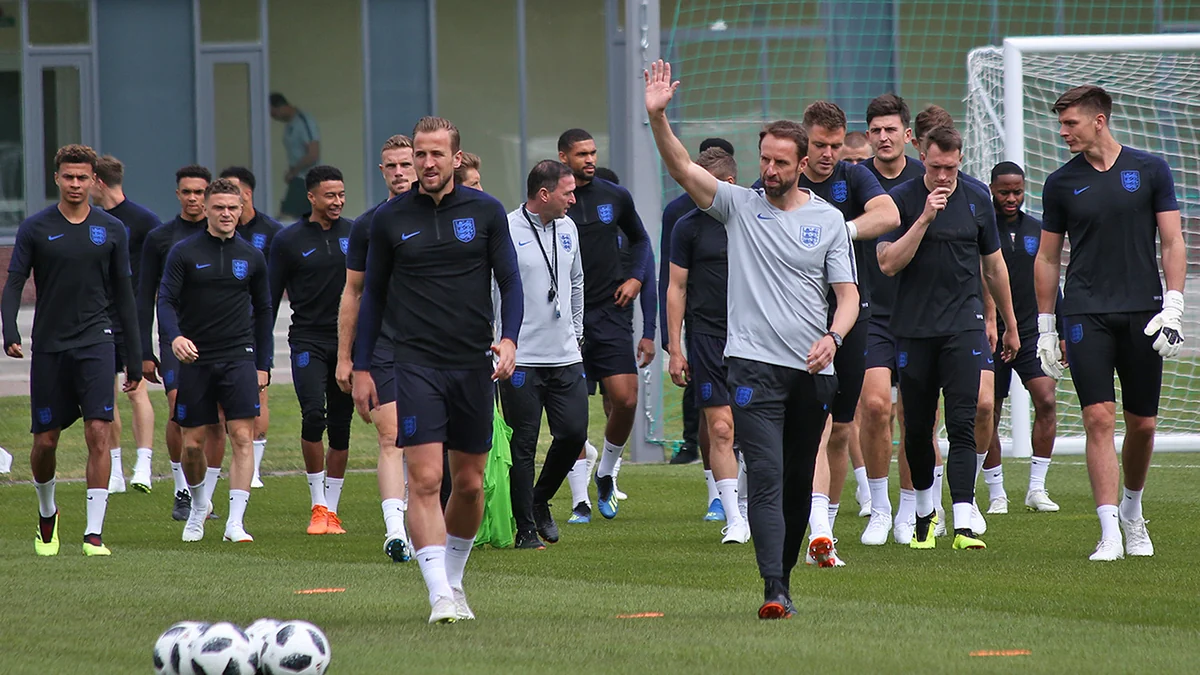
What makes this window different
UEFA allocated 24–26 September to Matchday 1, 27–29 September to Matchday 2, 30 September–3 October to Matchday 3 and 4–6 October to Matchday 4. The governing body itself describes this as a prolonged international window in which teams will generally play four matches in close succession.
That compresses two-thirds of the six-matchday league phase into 13 calendar days. The remaining two matchdays take place from 12 to 17 November. UEFA’s annual calendar also officially groups Matchdays 1–4 between 24 September and 6 October and warns that dates are subject to change.
“Matchday 3” does not necessarily mean a single date: the current fixture list places its games from 1 to 3 October. UEFA had also reserved 30 September as an exceptional possibility, although the list published on 18 September contains no match on that date.
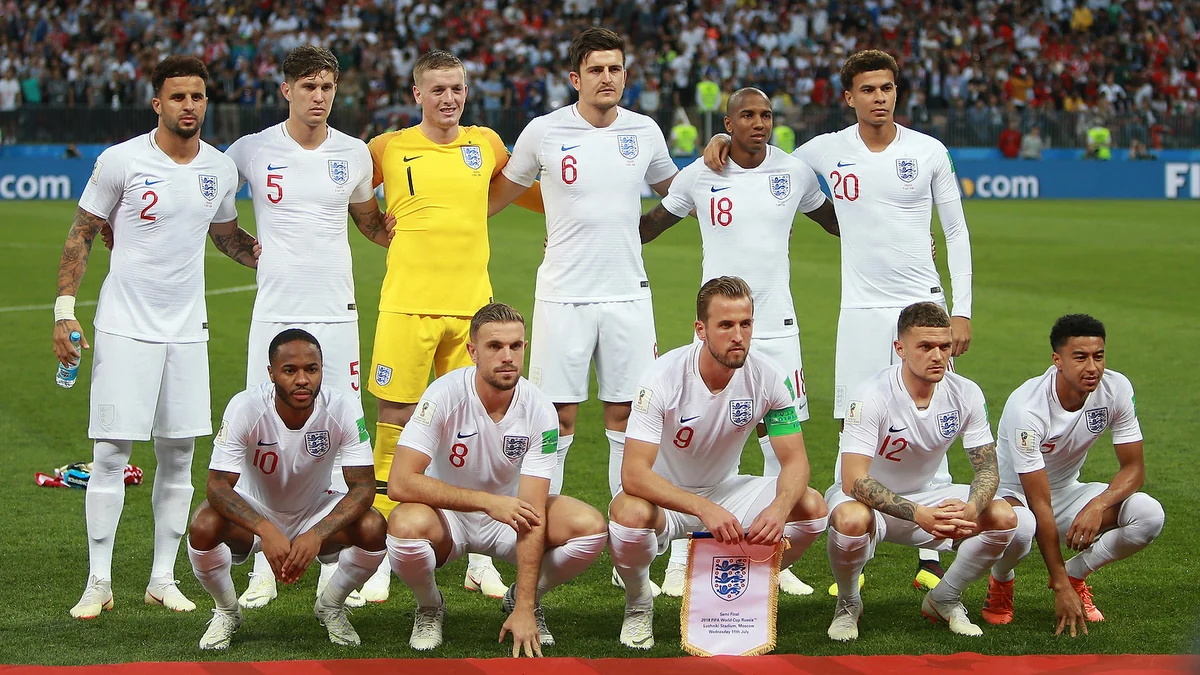
Who plays four times — and the League D exception
Each member of every four-team group in Leagues A, B and C plays once per matchday. That covers 48 national teams: 16 in each league. They include Germany, the Netherlands, Spain, England, Portugal, Wales, France, Italy, Scotland, Switzerland, Ukraine, Sweden, Albania, Finland, Iceland and Slovakia.
League D requires extra care. In the published schedule, Andorra, Malta, Lithuania and Azerbaijan have three games in this window; Gibraltar and Liechtenstein have two. It is therefore inaccurate to say that every national team will play four times. This difference also means the overall standings cannot be compared solely by points without checking how many games each team has completed.
Fixtures to put on the calendar
The opening night already features the Netherlands against Germany and Portugal against Wales on 24 September. England host Spain on 26 September. All are League A fixtures, but they belong to different groups: A2, A4 and A3 respectively.
Following the complete sequence makes the schedule easier to understand. The Netherlands host Germany, travel to Serbia, visit Greece and then host Serbia again. Portugal host Wales, visit Norway and Denmark, and finish the window at home to Norway. England host Spain, travel to Czechia and Croatia, and close at home against Czechia.
Other notable fixtures include Italy against Belgium and Türkiye against France on 25 September; Belgium against France on 28 September; France against Italy on 2 October; and Croatia against Spain on 6 October. The complete groups and format appear in the competition’s official guide.
How to read kick-off times and matchdays
UEFA’s list uses CET. The stated default kick-off is 20:45 CET unless another time is shown beside the fixture. Some games are explicitly listed for 15:00, 16:00 or 18:00 CET. Because local time zones and seasonal clock rules can create differences, convert the time for your city near the date and check the official link again.
A simple routine prevents mistakes: record the matchday number first, followed by the date, fixture and CET kick-off; only then convert it. This avoids treating games on consecutive dates as part of the same matchday or assuming every match begins at 20:45.
Why the standings can change so quickly
Four games offer as many as 12 points in less than two weeks. A team may lose the lead after one result and regain it only a few days later. Goal difference and other tie-breakers may also become important, but an initial reading should always compare games played, points and the sequence of opponents.
In League A, group winners and runners-up advance to the quarter-finals. League B group winners are promoted, as are the leaders in League C; every League D team will move up to League C as part of the transition planned for 2028/29. Play-offs also apply to certain positions. Third and fourth place therefore do not have the same consequences in every league.
Where to check changes and team selections
Use the fixture page for dates and kick-off times, and the tournament guide for groups and regulations. Squad calls, absences and starting line-ups should be checked through the national associations’ official channels and individual match pages: the schedule alone does not confirm player rotation.
Readers in São Paulo can continue the conversation about football and culture at Becoartes, Rua Gonçalo Afonso, 99, Vila Madalena. Before visiting, check the latest information on the Becoartes website.
Football and culture at Becoartes
Visit Becoartes at Rua Gonçalo Afonso, 99, Vila Madalena, and check current information on its official website.
Becoartes - Beco do Batman
99 Gonçalo Afonso Street, Vila Madalena, São Paulo
Sources and credits
- Кирилл Венедиктов — CC BY-SA 3.0
- Антон Зайцев — CC BY-SA 3.0
- UEFA — lista oficial completa dos jogos da fase de liga, atualizada em 18 de setembro de 2026
- UEFA — datas, grupos e funcionamento da Nations League 2026/27
- UEFA — calendário oficial de 2026, com as rodadas 1–4 entre 24 de setembro e 6 de outubro