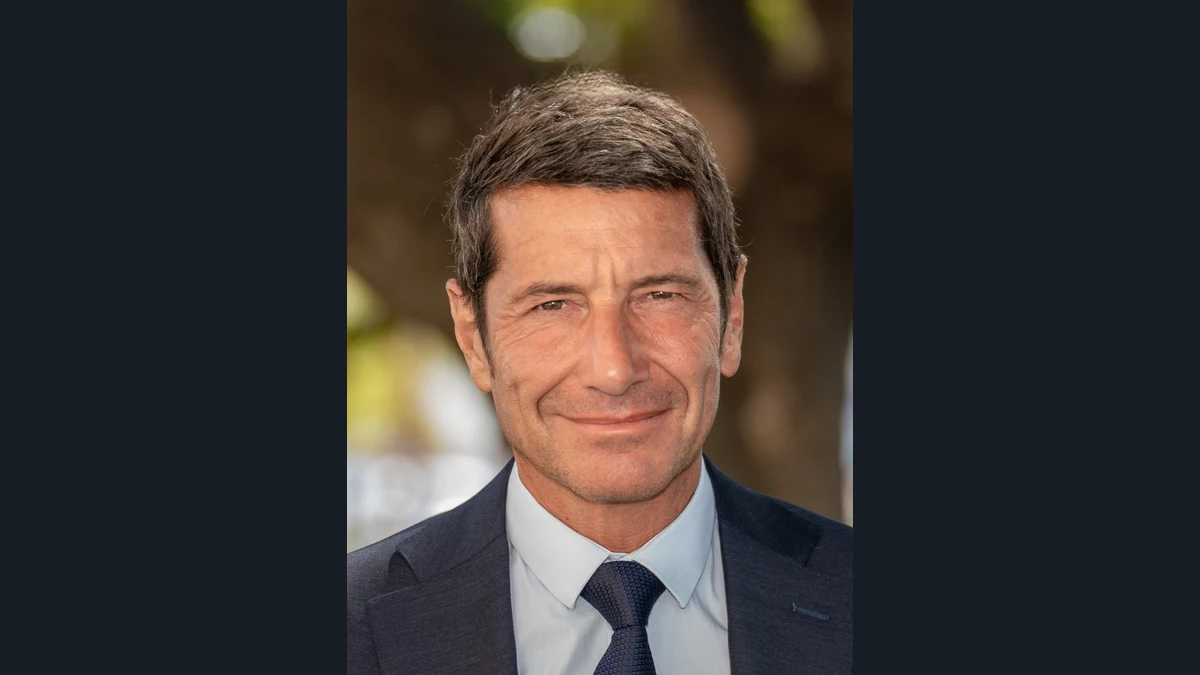
Two mayors are competing for one job, but they are not putting up rival teams for every seat. That is the unusual feature of the election taking place at the 108th congress of French mayors in Paris. David Lisnard, mayor of Cannes and outgoing president of the Association des maires de France et des présidents d’intercommunalité (AMF), is seeking another term. Philippe Laurent, mayor of Sceaux, wants the presidency himself and explicitly supports the joint lists of candidates for the association’s other governing bodies.
The electoral commission set the end of online voting for Wednesday, November 25, at 1 p.m. Paris time. That is a deadline for ballots, not an announcement that either man has won. The commission said the result would be announced to delegates at the congress, which runs from November 23 to 26. The question for the members is who should speak for them, not who should run either candidate’s city.
What is on the three ballots?
The first is a choice between two people. On the second, for the executive board, the commission accepted a single unity list presented by Lisnard and Jean-François Debat, mayor of Bourg-en-Bresse. It accepted another joint list from the same pair for the steering committee. Debat is therefore a significant name on the election documents without being a third candidate for president. Laurent, in his own statement to members, says he helped put the lists together and supports his colleagues on them.
That distinction matters when interpreting an endorsement. Supporting a colleague for the executive board is not necessarily a statement about the presidency. Nor does the absence of competing lists mean there was no leadership contest. An elector could favor the common team and still see a reason to choose one approach over another for the person who will represent it.
Why 106 and 13 are not a score
Two numbers in the commission’s September announcement are especially easy to mistake for a result: 106 for Lisnard and 13 for Laurent. They are sponsorships collected when the candidates applied. The electoral regulations required at least eleven sponsors drawn from specified ranks of the association, including board or steering committee members and presidents of departmental associations. Both candidates cleared that threshold. Neither number says how many ballots were cast in November.
The commission’s unanimous decision likewise had a specific meaning: its members agreed that the candidacies met the rules. They did not unanimously elect either man president. To establish who won and by how much, it takes the proclamation and the vote totals for the presidential ballot itself. The sponsors are a record of how the candidates qualified, not a substitute for that count.
Where the candidates place their emphasis
Lisnard presents continuity as an asset. In his campaign statement he points to five years leading the association and describes a national organization that can give smaller municipalities practical help as well as a voice in Paris. He proposes bolstering support when communities face major risks, giving departmental associations more weight and assigning a group of elected officials specifically to burdensome regulation. These are proposals from the incumbent, not decisions imposed on municipalities by this vote.
Laurent starts from the question of how the president should spend his time. Mayor of Sceaux since 2001, he cites experience on the AMF finance commission and as its secretary-general. He advocates a full-time president who can negotiate with whoever holds national office after the 2027 elections. His case for a change of leadership is about availability, collective decisions and independence from party interests. It does not involve replacing everyone who worked with the outgoing president; his support for the shared lists makes that clear.
Why counting people in the hall would miss the election
This was designed as a remote ballot. Members could take part from a computer, tablet or telephone without travelling to the congress. The AMF’s voting instructions distinguish between a municipality and an intermunicipal body: a person who is both mayor and head of such a body may represent each separately if both memberships are current. In that case there are two sets of credentials and two separate voting procedures, not a second presidential choice in the same ballot.
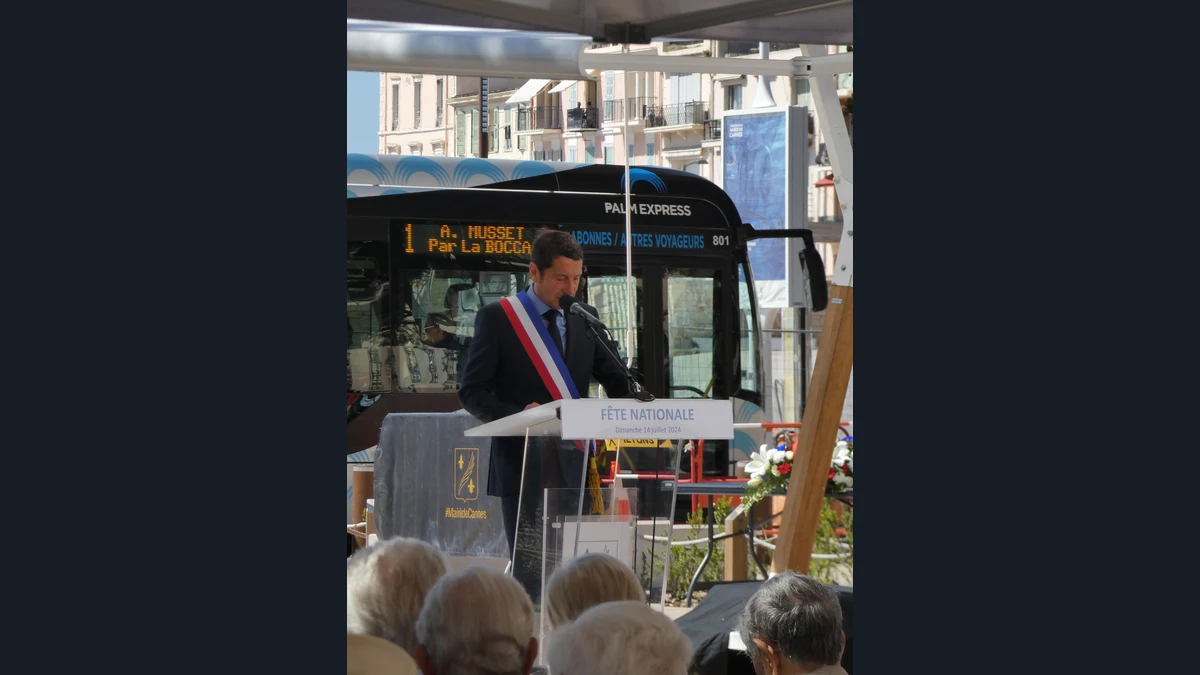
For a reader accustomed to televised votes in an assembly, that produces an important difference. The size of a crowd around a speaker, applause in a hall or the number of delegates visible in a photograph cannot reveal the total electorate or its choice. What the Paris meeting brings together is a debate about how to represent municipalities of very different sizes. What determines the leadership is the members’ ballot. The official announcement, rather than the reception either candidate receives at the congress, is the point at which those two stories meet.
Image credits. Context photographs resized, framed with margins and converted to WebP without cropping. Grégor Sauvagère (CC BY-SA 4.0); 321plq (CC BY 4.0).
Sources for this story
Original documents are linked in the article.
Becoartes - Beco do Batman
99 Gonçalo Afonso Street, Vila Madalena, São Paulo