On the evening of November 14, anyone tuning in to Spain's *Tiempo de Juego* might have been looking for a straightforward answer: would Lamine Yamal start against England on Sunday? In between conversations about football, listeners got a different piece of news. The COPE radio show itself had just won the first Antena de Oro Audience Award. A recording from that evening is still available. In the episode description, the award turns up without ceremony, between a mention of Mbappé and the latest round of Spain's second division. Listen to the November 14 show.
The presentation took place at the Gran Casino de Aranjuez in Spain during the 53rd Antenas de Oro awards. The Spanish Association of Protocol, which worked behind the scenes at the ceremony, records COPE's win in its account of the evening. It wasn't the first time people from *Tiempo de Juego* had received an Antena de Oro. What changed in 2026 was who could nominate them and who had the final say.
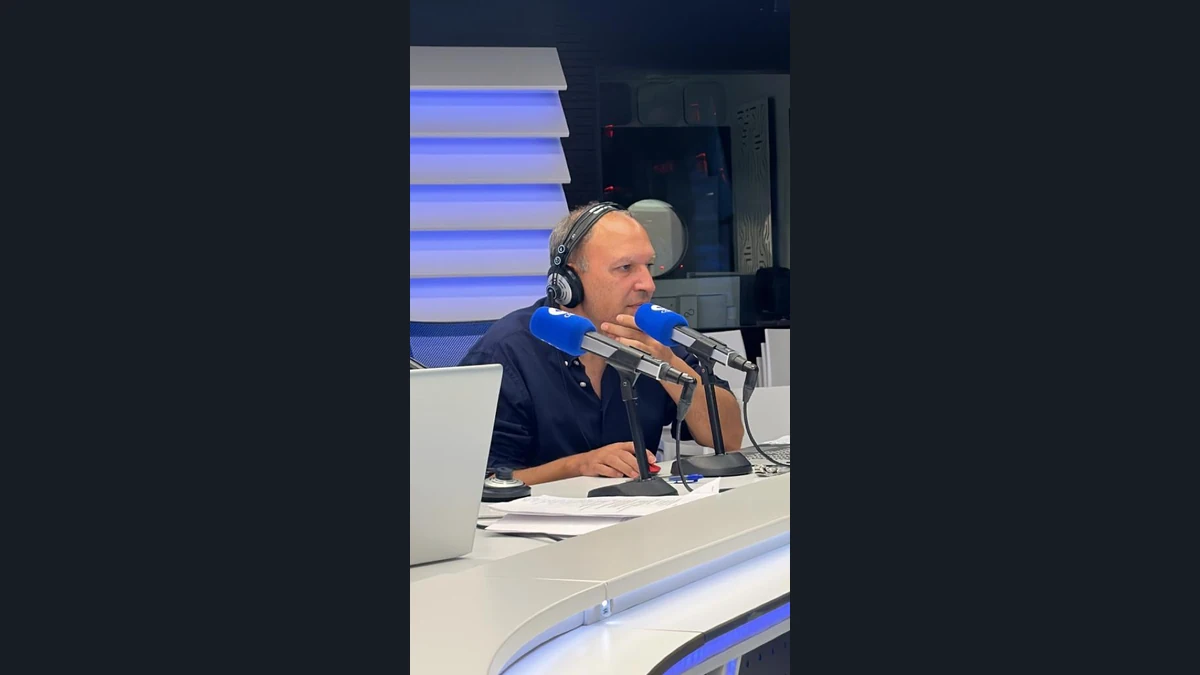
A ballot that put radio and television on the same field
The Spanish Federation of Radio and Television Associations opened the contest to public nominations. Anyone could put a name forward. The six with the most votes went through to the semifinals, and another round brought the field down to three. The final ballot stayed open until November 13, the day before the ceremony. There were no separate brackets for radio and television. One person could vote for a TV presenter, another for the entire team behind a sports show. See the rules and the six semifinalists.
The mix produced a shortlist unlikely to have come from any one programing department. It included the music festival Benidorm Fest, the reality show *Supervivientes*, and LOS40's morning radio show *¡Anda ya!*. None made the final. The last ballot featured Chenoa for RTVE's *Dog House*, Roberto Leal for Antena 3's *Pasapalabra*, and *Tiempo de Juego*. On the official list of finalists, two candidates appear under their own names. The third appears under the name listeners look for on the radio.
That distinction helps put the result in perspective. This wasn't a contest for best commentator, best coverage of a final, or the radio station with the biggest audience. Nor were voters choosing between three football shows. The ballot let them recognize very different kinds of work, and those who voted picked one. An award like this tells us something about how willing an audience is to take part. It doesn't turn voluntary votes into ratings or show that radio attracts more attention than television in Spain.
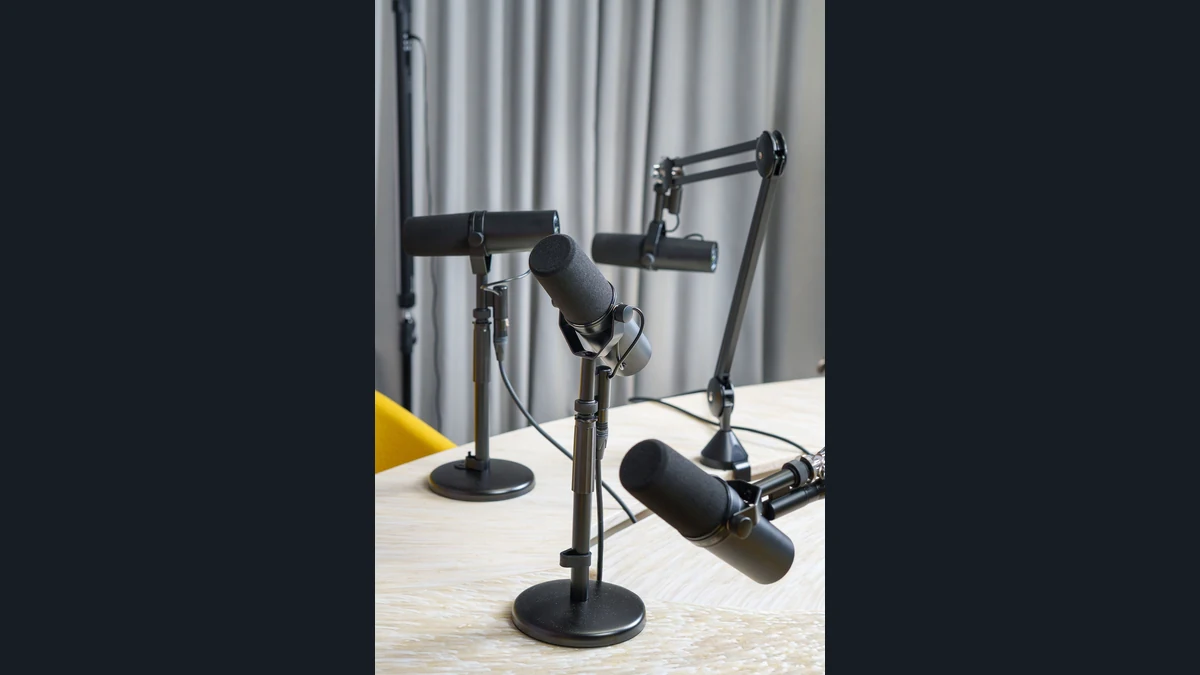
The other trophy, in 2024, came with five names
Two years earlier, the recognition took another form. At the 51st awards, the jury honored Jorge Hevia, Gemma Santos, Andrea Peláez, Heri Frade, and Germán Mansilla for their work on *Tiempo de Juego*. The federation cited a delicate task for any radio team: carrying Pepe Domingo Castaño's legacy forward while letting the people now behind the microphone give the show a personality of their own. Read the jury's original 2024 decision.
If you're new to the show, try putting the two records side by side. In the video the team posted in 2024, the tribute is the news: the radio professionals are the ones who go onstage. In the 2026 audio recording, that relationship flips. The ceremony becomes one item on the sports agenda, but it doesn't take over the show. Fans who came for Spain and England still get the discussion they were looking for. And anyone who arrived just to hear about the award gets a good sample of what the audience chose.
A way in for listeners who follow football in Brazil
The awards-night episode runs for an hour and 32 minutes. You don't need to know the Spanish league tables to find something familiar: the Brazilian national team and Raphinha come up, along with the questions surrounding Spain's lineup. The show later makes room for tennis at the ATP Finals and for the NBA. That sequence gives a better idea of the format than the show's literal title, “game time”: the conversation keeps going even when the subject is no longer a football match.
For a different way to listen, start with a question instead of the trophy. How does a team keep listeners interested when the match hasn't even started? The discussion about whether Yamal will play is exactly that situation. There is no goal to call, no decisive play to revisit. There is an open question about the lineup and airtime to fill before kickoff. In that less obvious part of sport, between what has already happened and what fans still want to know, you can get to know the winner without relying on a jury's opinion.
Image credits (full image fitted with margins): Sara250104 (CC BY-SA 4.0) (license); Jakub Zerdzicki / Pexels (Pexels License) (license).
Listen to the show
COPE’s Tiempo de Juego won the first Antena de Oro Audience Award. Here is how the vote worked and how it differs from the programme’s 2024 honour.
Becoartes - Beco do Batman
99 Gonçalo Afonso Street, Vila Madalena, São Paulo